If you are drawn to places with real character, living near historic downtown San Juan Capistrano can feel very different from a typical Orange County neighborhood. You are not just close to shops and restaurants. You are living near one of the county’s most established historic centers, where daily life blends preserved architecture, local events, rail access, trails, and a village-scale street scene. If you want to know what that actually feels like day to day, this guide will walk you through the lifestyle, housing mix, and practical tradeoffs. Let’s dive in.
Historic Downtown Feel
Living near historic downtown San Juan Capistrano means being close to a part of the city shaped by Mission San Juan Capistrano, which the Mission says was founded in 1776 and is known as the “Birthplace of Orange County.” The downtown core is organized around a walkable mix of historic sites, local businesses, dining, and the train station. That gives the area a rooted, lived-in feeling that stands out in a region where many neighborhoods are newer.
The historic core is also more than a visitor destination. According to the city’s heritage inventory, it includes a layered residential setting with the Mission, downtown buildings, the Los Rios Street Historic District, Mission Hill-Mission Flats, adobe buildings, and older ranch and farmhouse properties. If you live nearby, you are part of a neighborhood environment with visible history woven into everyday life.
A Distinct Village Scale
The city’s downtown commercial guidelines aim to preserve a pedestrian-oriented, village-like environment. Storefronts are meant to face the street, with plazas, paseos, and parking generally placed behind buildings. For you, that can translate into a more pleasant walking experience and a downtown that feels designed for lingering, not just passing through.
That design approach also helps explain why the area feels cohesive. Even as properties evolve over time, the city has made it clear that changes should respect the historic district and reinforce downtown as a community focal point. If atmosphere matters to you, that planning framework is part of what gives the area its identity.
Daily Life Near the Core
One of the biggest lifestyle advantages of living near downtown San Juan Capistrano is how much activity is packed into a compact area. The Mission describes the core as being within walking distance of shops, restaurants, and the train station. That creates a routine that can feel more connected and flexible than a car-dependent suburban pattern.
Instead of driving across town for every outing, you may find yourself walking to dinner, meeting friends for coffee, or spending time near the Mission and surrounding historic streets. The area is set up for discovery, with shopping, dining, tours, and public gathering spaces all contributing to its social energy.
Events Add Energy
The city hosts regular events that help shape life near downtown. These include San Juan Summer Nites, Spring Eggstravaganza, the 4th of July Celebration, the Christmas Tree Lighting Ceremony, and the Swallows Day Parade. The Mission also hosts year-round programming such as St. Joseph’s Day and Return of the Swallows, Music Under the Stars, and Capistrano Lights.
If you live nearby, these events can make the area feel lively and community-centered throughout the year. There is often something happening beyond the usual restaurant and shopping scene. For many buyers, that is a real draw because it adds variety and a stronger sense of place.
The Tradeoff: Activity and Access
With that energy comes some practical considerations. The city notes that major streets close during the Swallows Day Parade, and downtown parking includes metered public parking with hourly rates and some overnight restrictions. If you are considering a home near the core, it is worth thinking about how you feel about event traffic, visitor activity, and busy weekends.
The city does offer support for getting around, including free summer trolley service on weekends and special-event trolley service for major downtown events. Even so, a home close to the center may come with a more active public environment than a quieter pocket farther away.
Trails, Parks, and Outdoor Access
One of the more appealing parts of this location is that historic character does not mean giving up outdoor access. The city maintains public trails throughout San Juan Capistrano, and its trail system allows multiple bicycle types, including e-bikes, while staff continues to evaluate safety rules. That supports an active lifestyle that fits the broader South Orange County way of living.
The city also oversees nearby open spaces and parks such as Historic Town Center Park, Los Rios Park, North West Open Space, and Reata Park and Event Center. If you want a neighborhood where you can combine history, outdoor time, and walkable amenities, this area offers a more layered experience than many traditional suburban settings.
Rail Access Is Part of the Lifestyle
Another standout feature is transit access. The San Juan Capistrano Metrolink station at 26701 Verdugo Street serves the Inland Empire-Orange County and Orange County lines. The station includes amenities such as restrooms, an Amtrak ticket office, dining, parking, and connections to OCTA, Amtrak, Rail 2 Rail, and rideshare partner Rally.
Great American Stations notes that the station is one block west of the Mission, and the Mission also says it is within walking distance of the downtown core. For you, that means train access is not an afterthought on the edge of town. It is integrated into the historic center, which can support a somewhat car-light routine for certain trips.
Housing Near Historic Downtown
The housing story near historic downtown San Juan Capistrano is not one-size-fits-all. Close to the Mission and Los Rios, the setting is more historic and visually layered. The city describes San Juan Capistrano’s residential fabric as an eclectic mix of architectural styles, and its downtown guidelines call for new work to remain sensitive to historic surroundings.
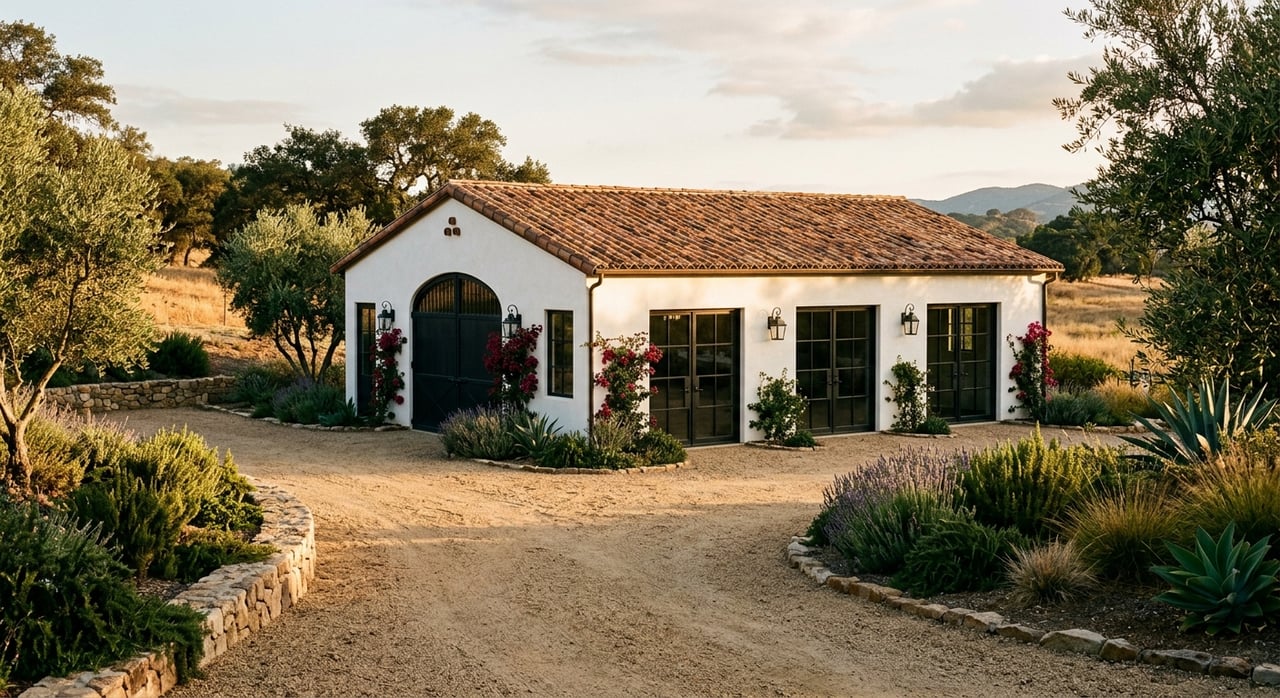
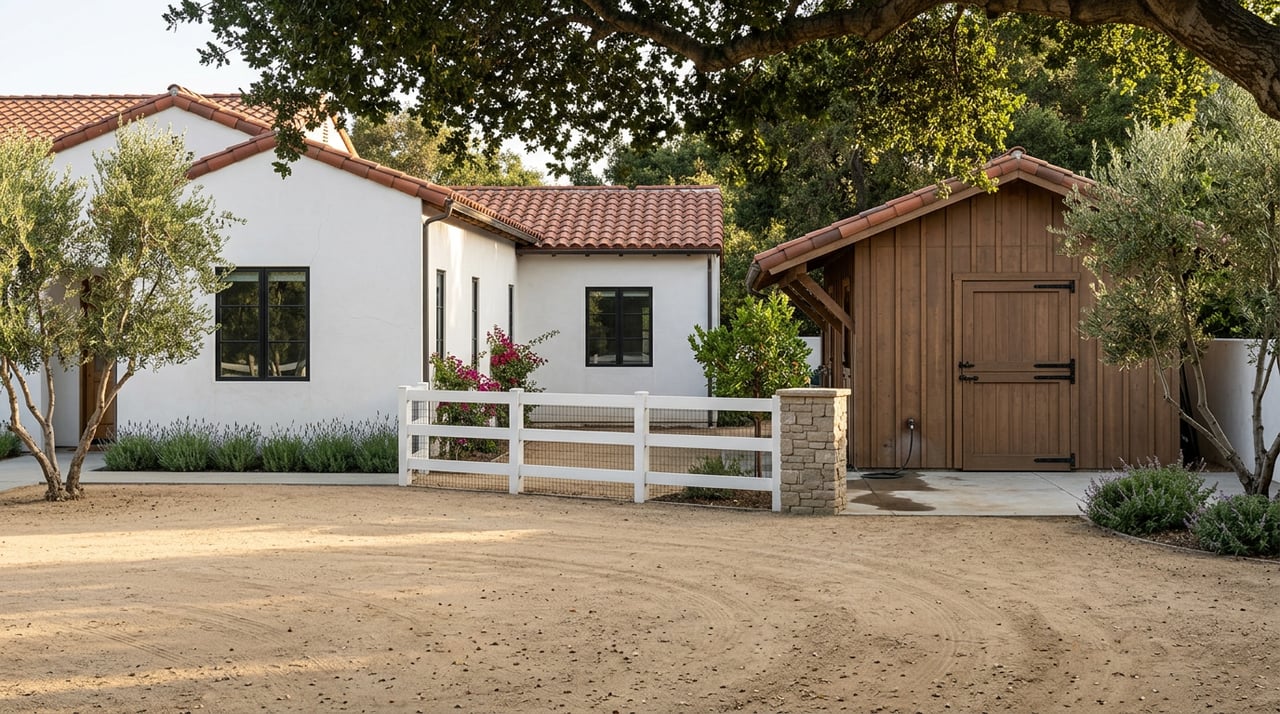
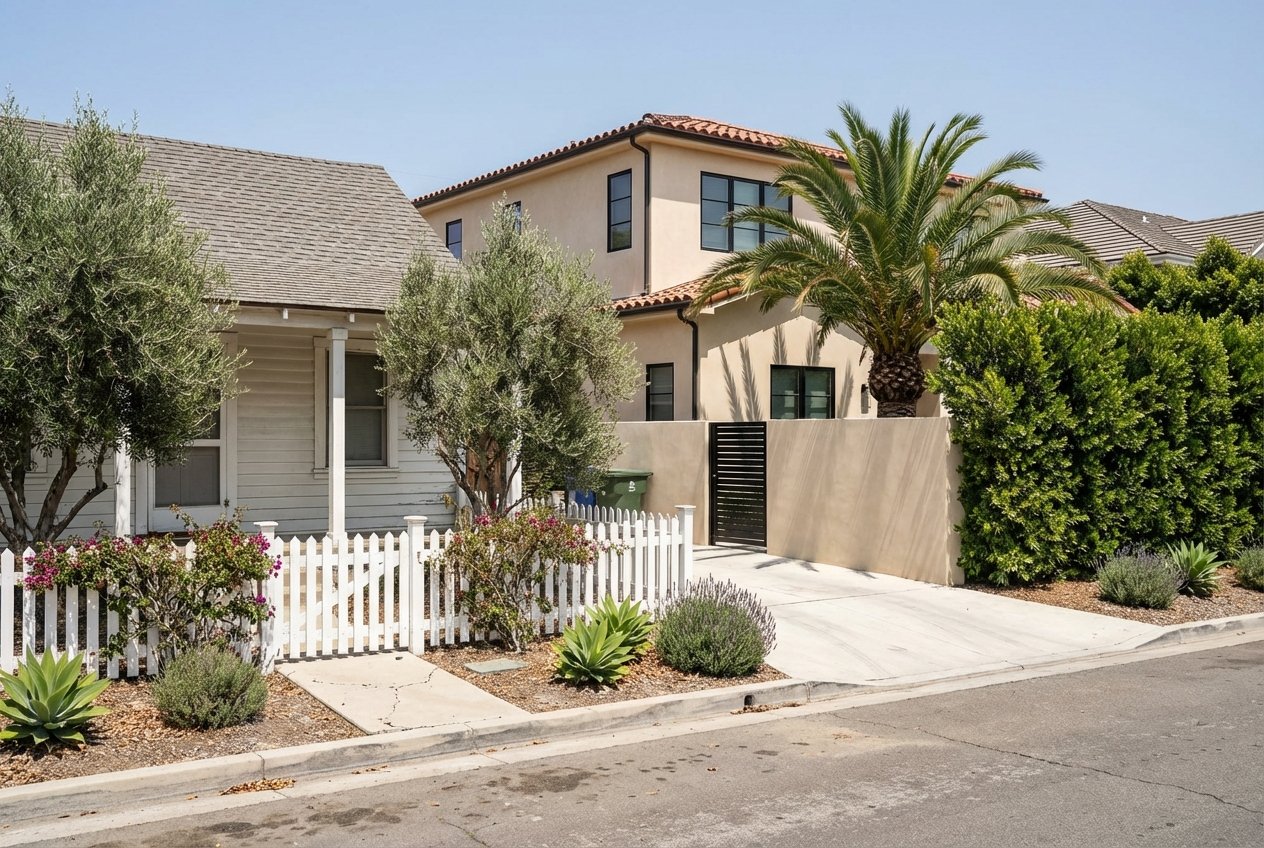
That helps explain why homes near the core can feel different from more uniform neighborhoods. You may see a mix of adobes, board-and-batten homes, relocated historic homes, mature trees, and other older residential patterns that reflect the city’s long development history. If you are looking for personality over sameness, that is often part of the appeal.
Historic Pockets Versus Broader Neighborhoods
As you move farther from the Mission, the housing mix broadens. The city’s specific plans include areas such as Hunt Club, Kinoshita Farm, Plaza de Las Golondrinas, Village Alipaz, McCracken Hill, Harbor Lane Homes, The Farm, El Camino, San Juan Plaza, and Pacifica San Juan. In simple terms, the feel can shift from old-town character to more conventional planned-community living depending on where you land.
That is important if you are home shopping in 92675 and want to be “near downtown” without being right in the middle of it. Some buyers prefer to be within easy reach of the historic core while choosing a setting that feels newer or more private. Others want the charm and immediacy of being close to the Mission, Los Rios, and the train depot.
What Buyers Should Know About Preservation
If you are considering an older home near the historic core, the city’s preservation framework matters. San Juan Capistrano says it is committed to preserving cultural heritage, maintains designated and potential landmarks, has a Cultural Heritage Commission, and sponsors preservation events and historic walking-tour training. That is a meaningful part of ownership in and around historic areas.
In practical terms, historic-house ownership may come with more oversight than a typical tract-home purchase, especially if you plan to remodel or expand. That does not mean historic ownership is a drawback. It means you should go in with a clear understanding of how preservation priorities may shape future changes to the property.
Why the Core Feels Protected
The city’s history page says residents adopted a new General Plan in the 1970s to preserve historic resources and open space and limit development density. That long-term planning helps explain why the core still feels distinct today. For buyers, that can be reassuring because it shows the area’s character has been intentionally protected over time.
If your goal is to buy in a place with a strong identity, that planning history is part of the value. It supports a setting that feels established, memorable, and difficult to replicate.
Is Living Here Right for You?
Living near historic downtown San Juan Capistrano can be a great fit if you value walkability, local events, architecture with character, and a neighborhood that feels connected to the city’s past. It can also appeal to you if train access, parks, trails, and an active downtown environment are high on your list. The lifestyle is often more textured than what you find in more conventional residential pockets.
At the same time, it helps to be honest about your preferences. If you want complete quiet, abundant easy parking, or a highly uniform neighborhood feel, some areas farther from the core may suit you better. The best fit usually comes down to how much you value historic atmosphere and village energy in your everyday routine.
If you are exploring San Juan Capistrano and want help comparing historic-adjacent homes with other South Orange County options, Michelle Bakkedahl can help you evaluate the lifestyle, location, and property details that matter most.
FAQs
What is daily life like near historic downtown San Juan Capistrano?
- Daily life near historic downtown San Juan Capistrano often includes walkable access to shops, restaurants, the Mission area, local events, and the train station, along with a more village-like street environment.
What housing styles are common near downtown San Juan Capistrano?
- Near the historic core, you may find an eclectic mix that includes adobe buildings, board-and-batten homes, ranch and farmhouse properties, and other older residential patterns shaped by the city’s historic development.
What are the tradeoffs of living near the Mission in San Juan Capistrano?
- The main tradeoffs can include event-related traffic, street closures during major celebrations like the Swallows Day Parade, and downtown parking rules such as metered parking and some overnight restrictions.
Is downtown San Juan Capistrano walkable?
- The downtown core is designed to support a pedestrian-oriented, village-like environment, and the Mission says key destinations such as shops, restaurants, and the train station are within walking distance.
How does rail access work in San Juan Capistrano’s historic core?
- The San Juan Capistrano Metrolink station is located close to the Mission and downtown, serving the Inland Empire-Orange County and Orange County lines with connections to OCTA, Amtrak, and other transit options.
What should buyers know about historic homes in San Juan Capistrano?
- Buyers should know that homes near the historic core may be affected by the city’s preservation framework, which can be especially important if you are considering future remodeling or expansion plans.