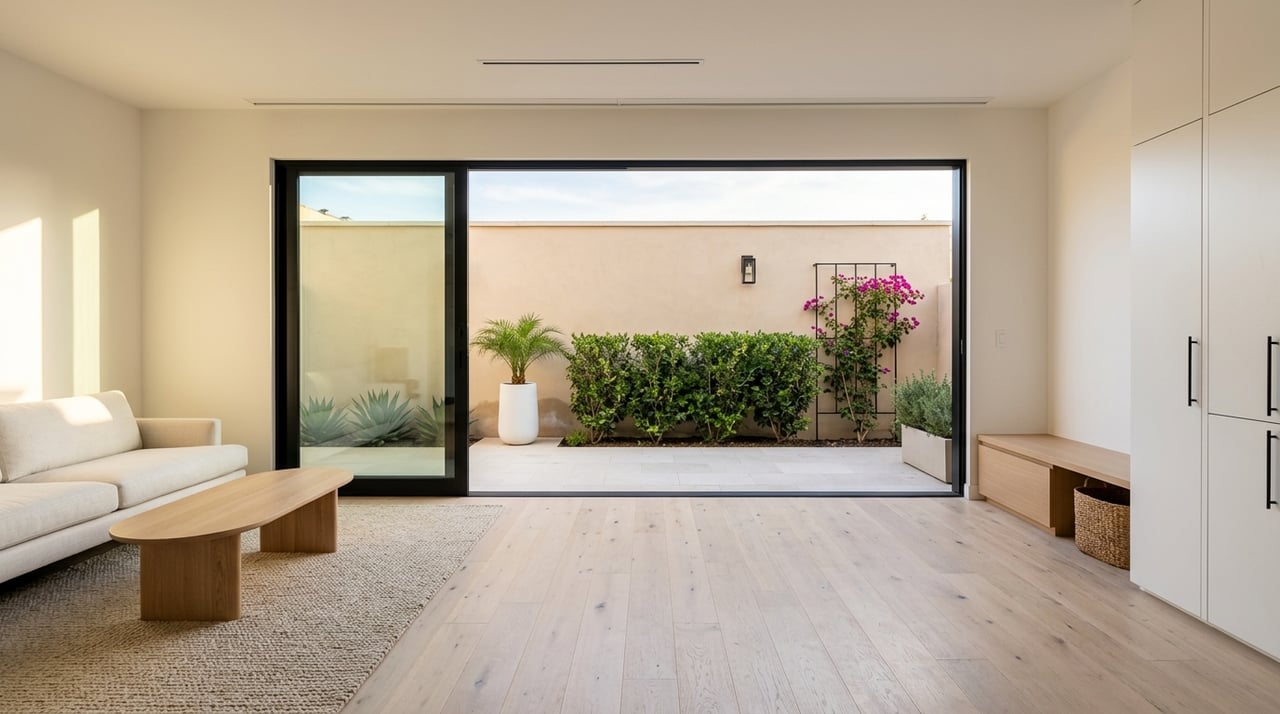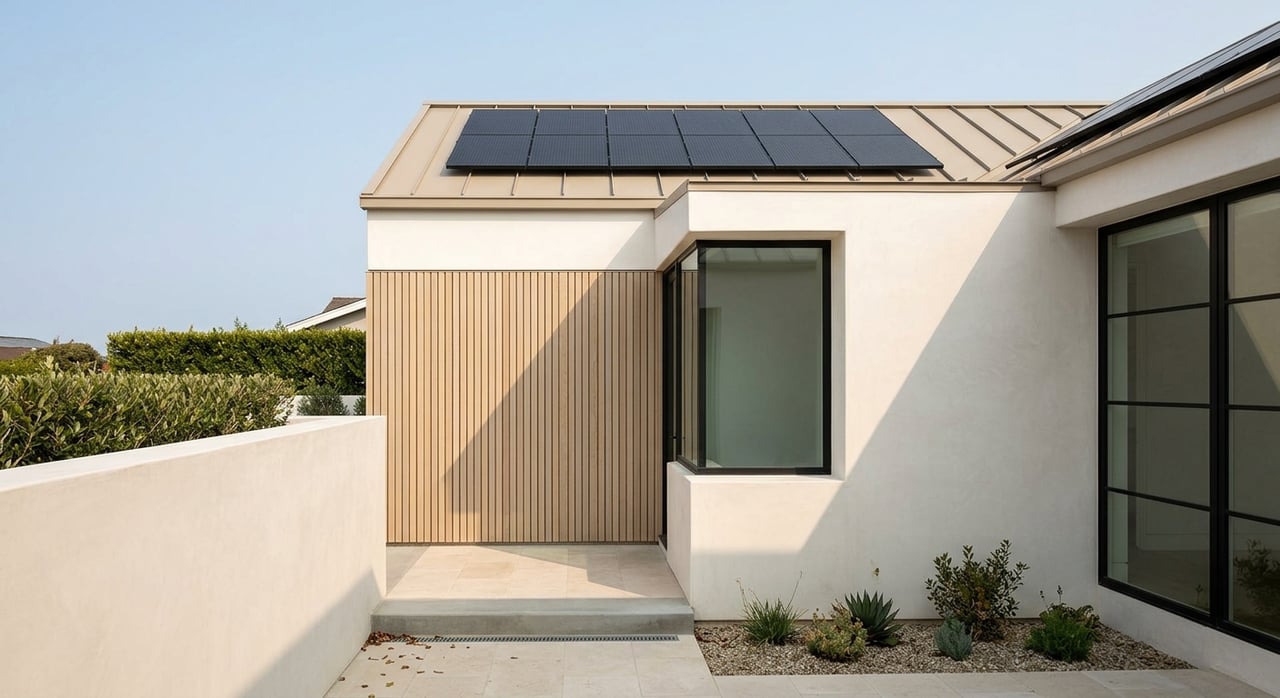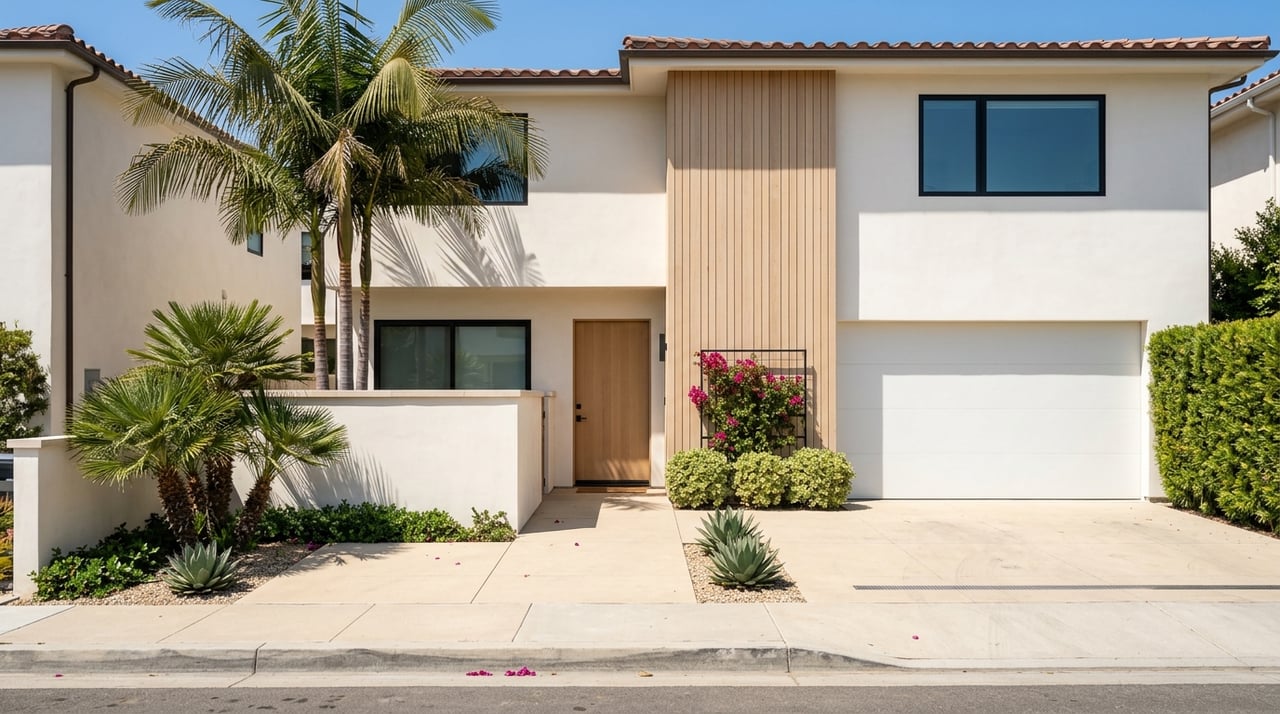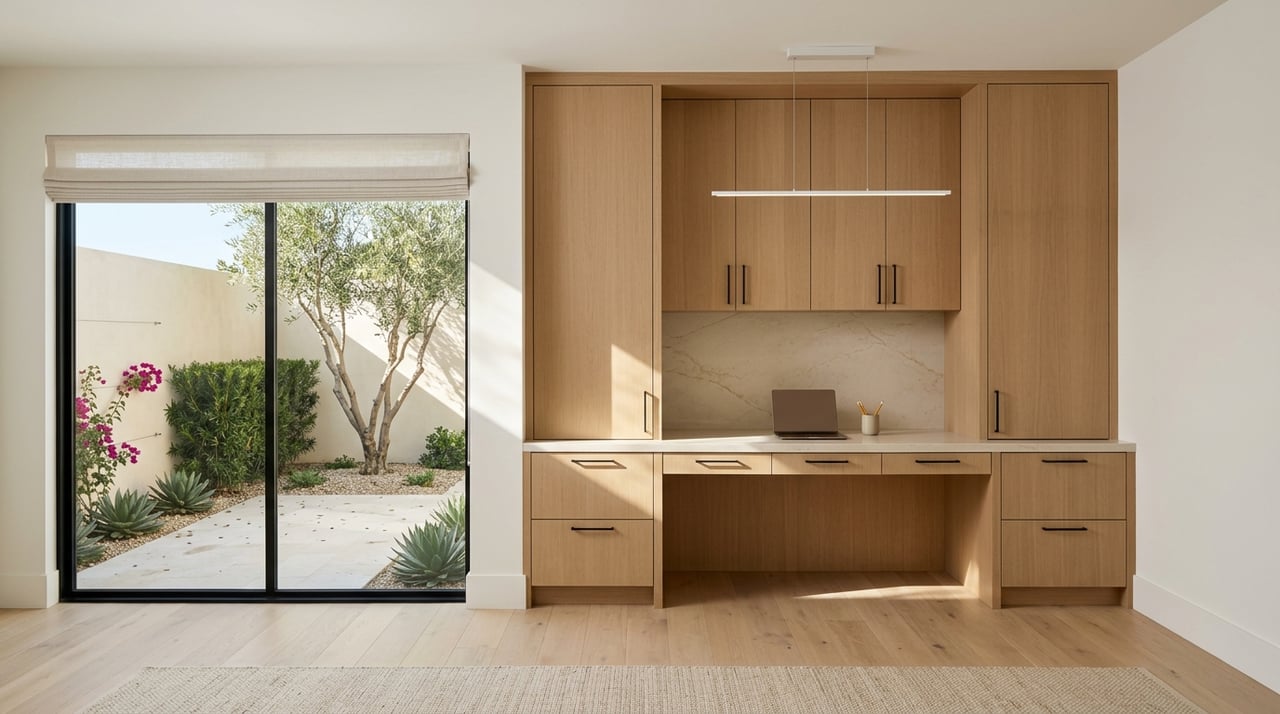
Debating between a condo and a townhome in San Clemente? You are not alone. The choice shapes how you live day to day, from what you maintain to how you finance and insure the property. In this guide, you will learn the core differences, what to look for in HOA documents, coastal factors that matter here, and a quick decision framework to help you move forward with confidence. Let’s dive in.
What you own: condo vs townhome
Understanding ownership is the key that unlocks everything else, including maintenance, financing, and resale.
- Condominiums: You own the interior of the unit, often called the airspace. The land, roof, exterior walls, and shared amenities are owned collectively through the homeowners association. The HOA’s rules and financial health matter a lot because you share responsibility for the building and common elements.
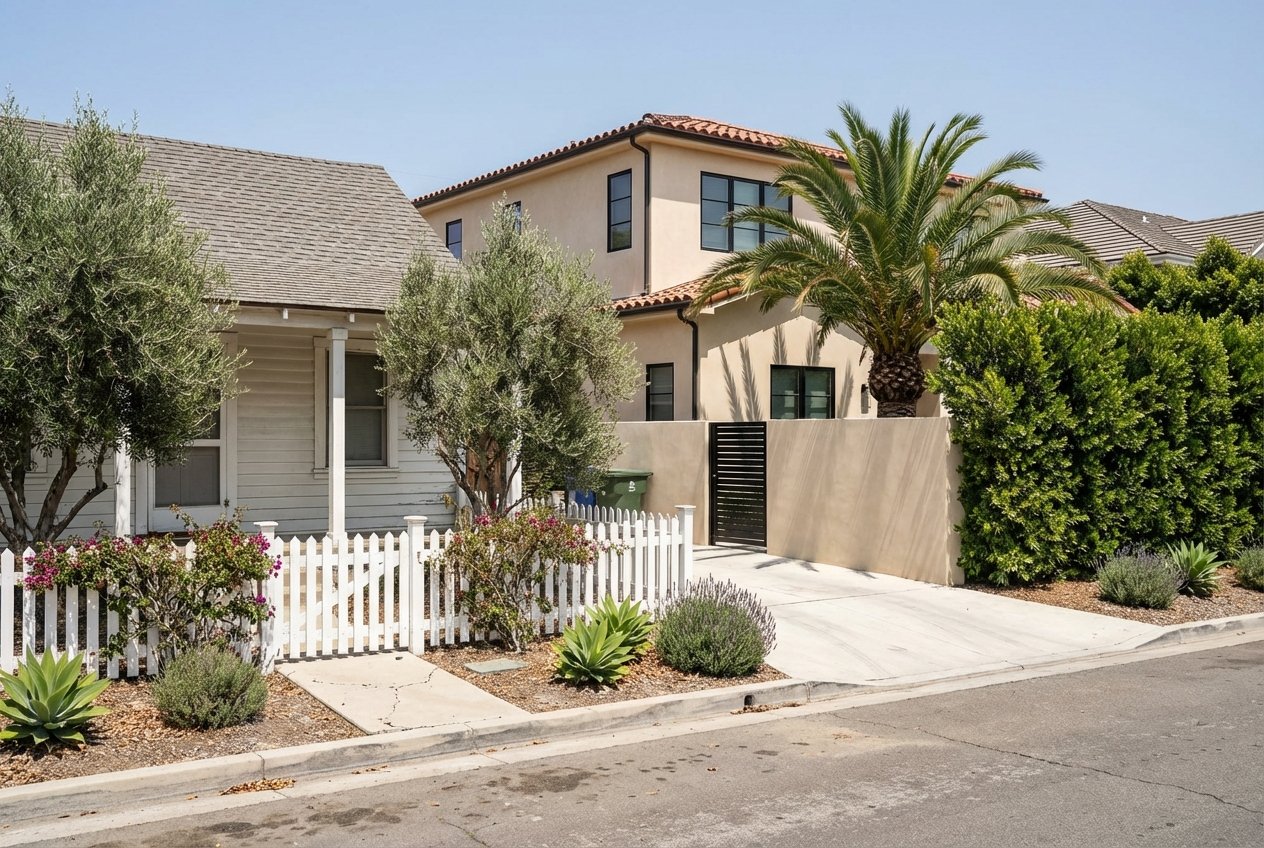
- Townhomes: Ownership can be fee-simple or condominium form. A fee-simple townhome means you own the lot and the structure, similar to a single-family home, with an HOA that manages shared items like private roads or landscaping. Some townhomes are legally condominiums, which means they function much like condos from a responsibility and financing perspective.
If you want clarity for a specific property, plan to review the recorded CC&Rs, parcel map, and the HOA’s governing documents. That is how you confirm whether a unit is truly fee-simple or a condo-form townhome.
HOA scope and monthly dues
HOAs vary widely in what they cover, which is why dues can differ even within the same neighborhood.
- Typical condo HOA coverage: Exterior envelope and structure, roof, building insurance through a master policy, landscaping, common utilities, amenities, and sometimes trash. This broader scope often means higher dues but fewer direct maintenance tasks for you.
- Typical townhome HOA coverage: Common landscaping, private streets, amenities, and sometimes limited exterior items. If the townhome is fee-simple, you may be responsible for your exterior and roof.
What to review before you buy:
- Monthly dues trends and the most recent operating budget.
- Reserve study and current reserve balance for long-term repairs.
- Special assessment history or planned assessments.
- HOA meeting minutes for the last 12 to 24 months, insurance declarations, and any ongoing litigation.
Red flags include low reserves, frequent rule changes, or litigation that could affect dues or resale.
Maintenance and repairs
Who fixes what depends on the ownership structure and the CC&Rs.
- Condos: The HOA usually maintains the exterior, structure, and roof. You handle interior finishes and mechanical systems within your unit. This setup suits a lock-and-leave lifestyle but gives you less control over project timing and materials.
- Townhomes: Responsibility often shifts toward you. In fee-simple communities, you may maintain your exterior, roof, and driveway or garage. That creates more control over repairs and upgrades, but it also means planning and budgeting for them.
As you compare options, ask your inspector to review roof and exterior conditions, balconies and railings, and any visible signs of water intrusion. For stacked units, have the inspector check sound transmission through walls and ceilings.
Privacy, layout, and outdoor space
Your day-to-day experience in San Clemente often comes down to how the home feels.
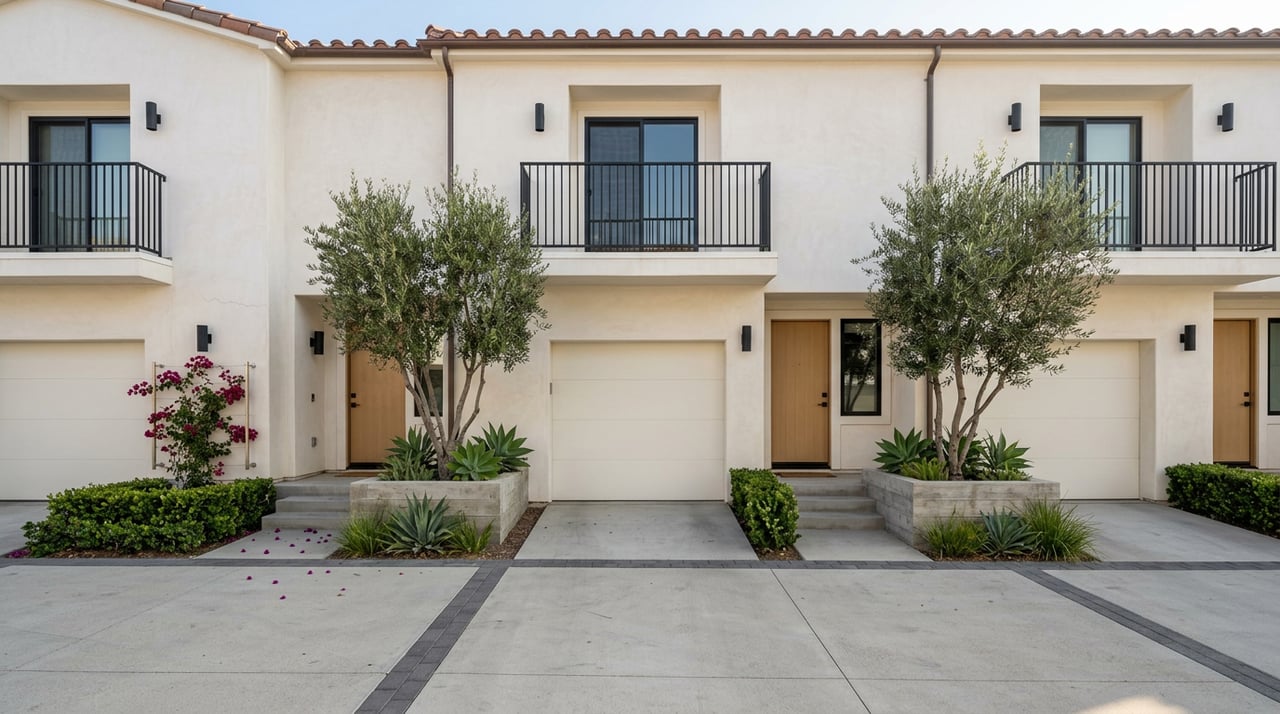
- Privacy: Townhomes typically offer private entries, direct garage access, and more separation. Condos often have shared corridors and entries.
- Noise: Stacked condo buildings can have more noise transfer. Attached townhomes on separate lots may perform better acoustically.
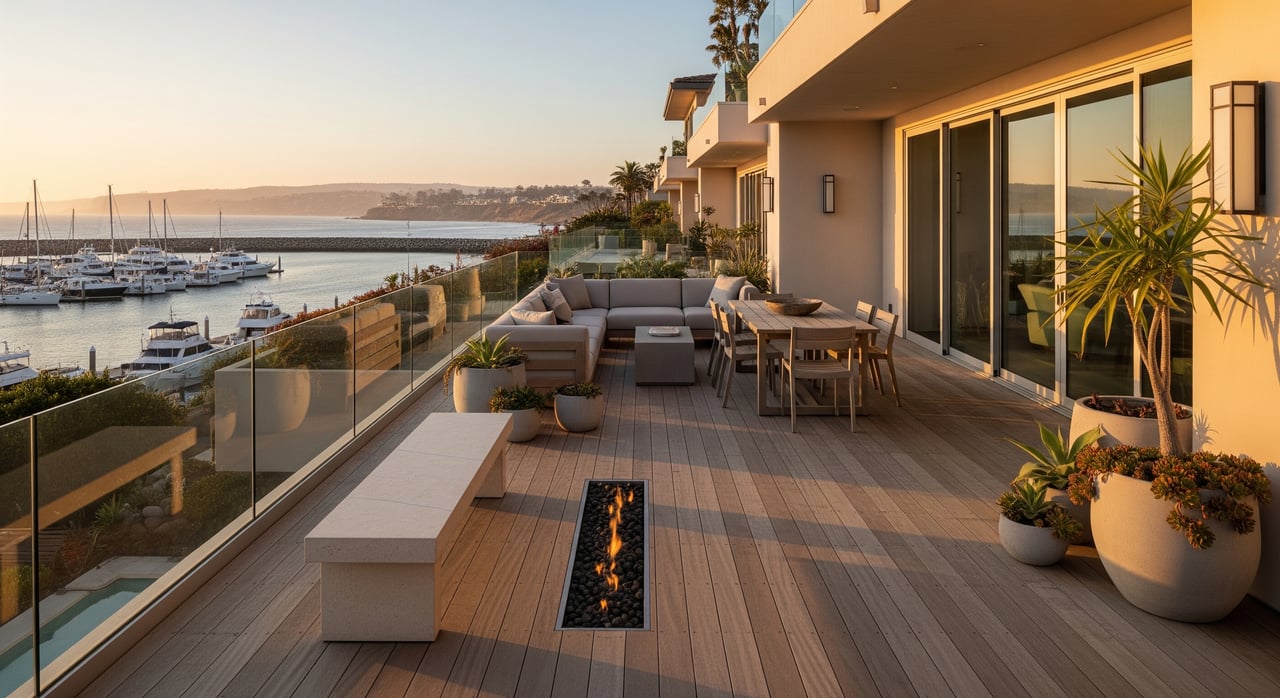
- Outdoor space: Townhomes often include a small yard or patio. Condos usually trade private outdoor areas for shared amenities like pools and clubhouses.
If you want a private entrance and a small yard, a townhome will usually be the better fit. If you want low maintenance and shared amenities, a condo often checks the box.
Financing and insurance
Financing and insurance are shaped by ownership structure and HOA policy.
- Financing: Condos may require project-level approval from lenders, especially for FHA or VA loans. Fee-simple townhomes are often underwritten like single-family homes, which can simplify financing for conventional loans.
- Insurance: Condo owners typically carry an HO-6 policy for interior finishes and personal property, while the HOA’s master policy covers the building exterior and common areas. Fee-simple townhome owners generally carry an HO-3 policy that covers the exterior structure as well as personal property.
Before you write an offer, confirm whether the community has FHA or VA approval if you plan to use those loan types. Also compare the HOA’s master policy coverage and deductibles against your individual policy proposal.
Resale dynamics in San Clemente
Both condos and townhomes can perform well in coastal markets, but they often appeal to different buyers.
- Condos: Commonly offer a lower entry price, which can attract first-time buyers and investors. Appreciation may be steady, but in some markets it can lag detached homes when demand leans toward more space and control.
- Townhomes: Often track closer to single-family dynamics because of fee-simple ownership and private outdoor areas. They can attract buyers who want more privacy and the ability to customize over time.
Your resale results will largely depend on location, HOA health, building condition, and local demand in your specific complex or tract.
Coastal realities that matter here
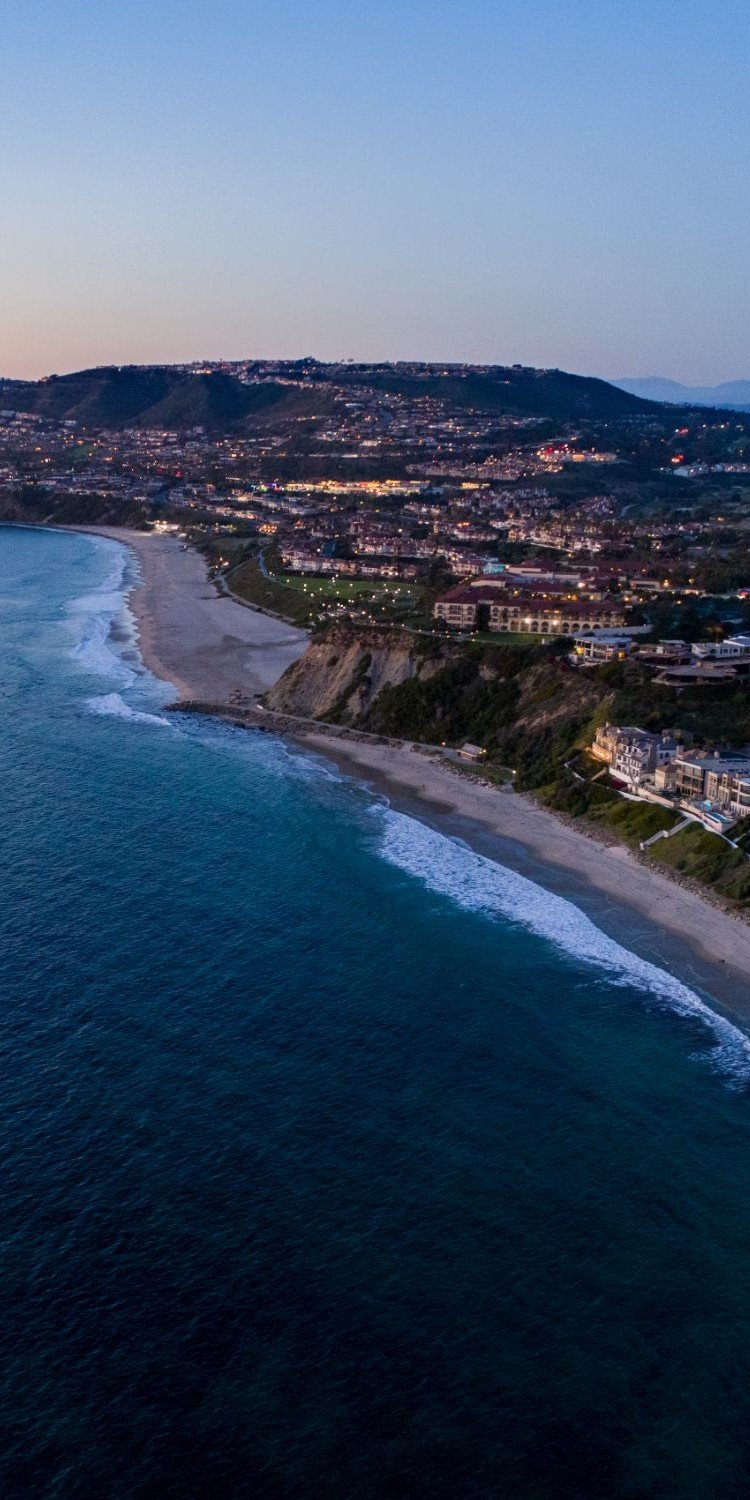
San Clemente’s coastline is a dream setting, and it comes with unique considerations.
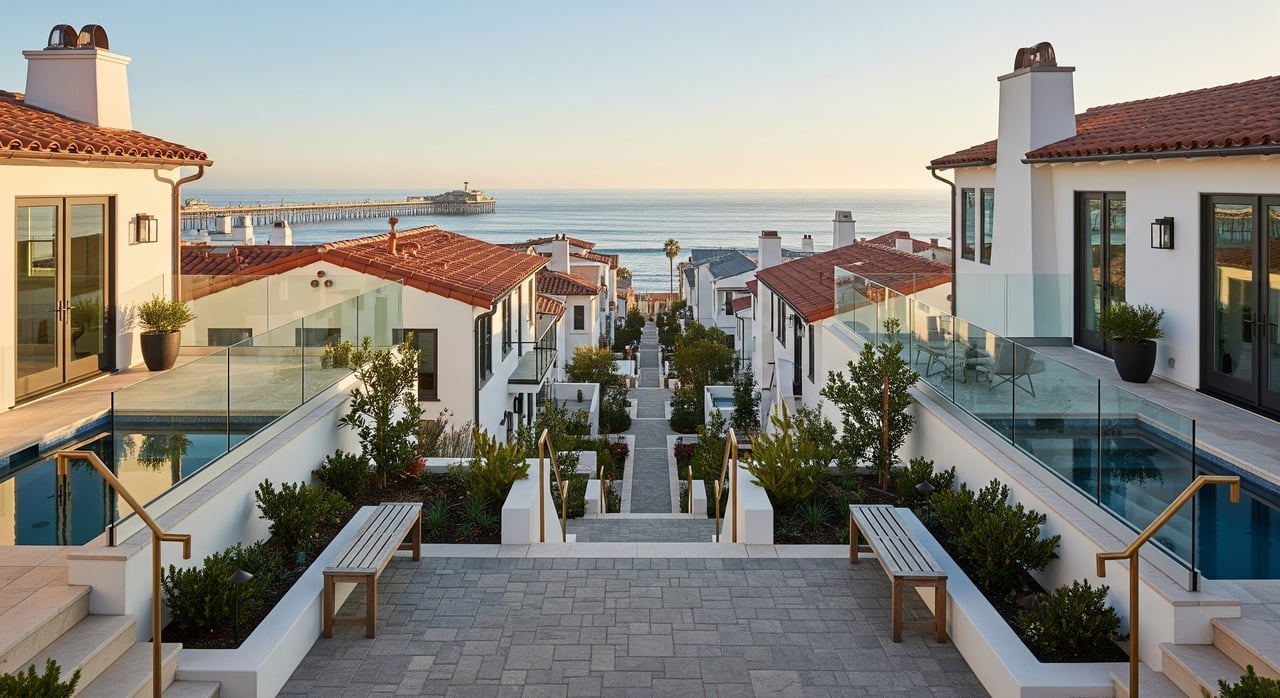
- Coastal hazards: Bluff erosion, sea-level rise, and flood zone exposure can affect insurance, maintenance, and permitted work. Bluff-top or oceanfront buildings may have special engineering or permitting requirements.
- Permitting: Exterior changes may be subject to both city rules and the Local Coastal Program. If you plan to remodel or add exterior features, check the HOA rules and local permits early.
- Insurance: Coastal properties can see higher premiums or evolving coverage availability. Review the master policy, then compare quotes for your HO-6 or HO-3 policy before removing contingencies.
If you are evaluating a bluff-adjacent property, ask for any geotechnical or coastal engineering reports and review them with your inspector and insurance broker.
Where you will find each home type
Certain locations in San Clemente lean toward one product type or the other.
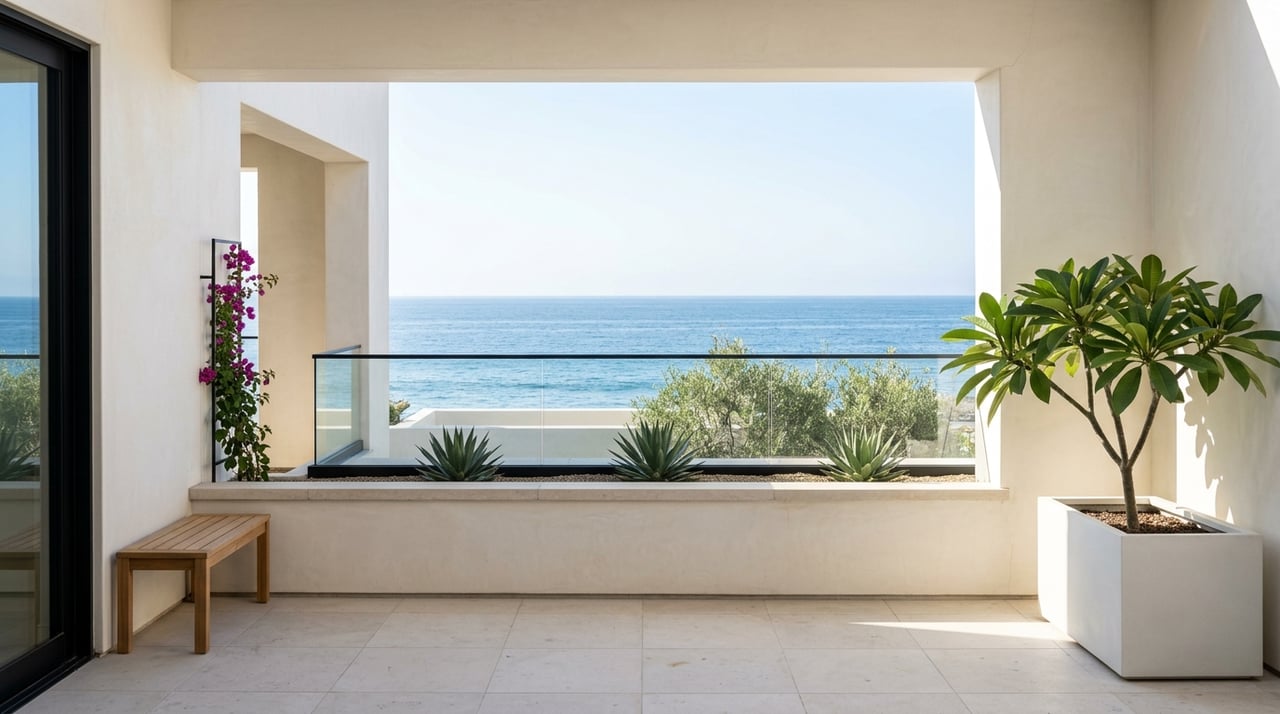
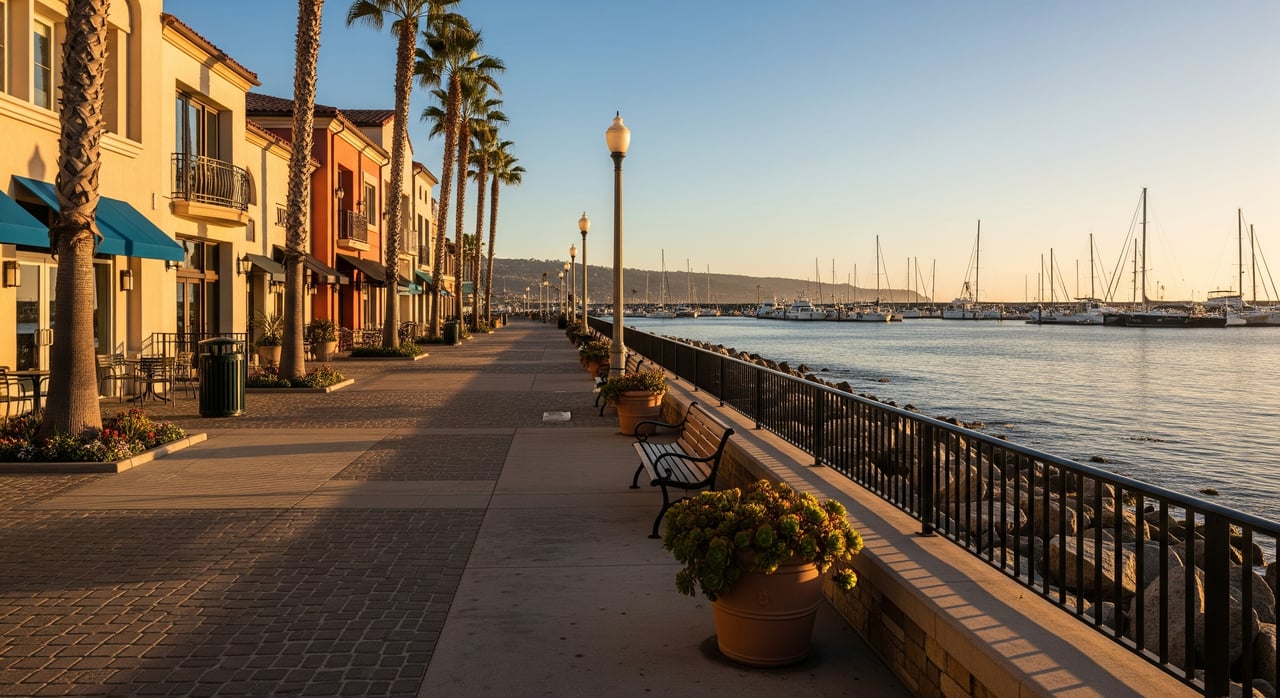
- Condos: You will find many near the beach and downtown, including buildings around the Pier and Avenida Del Mar. These projects often offer walkability and shared amenities.
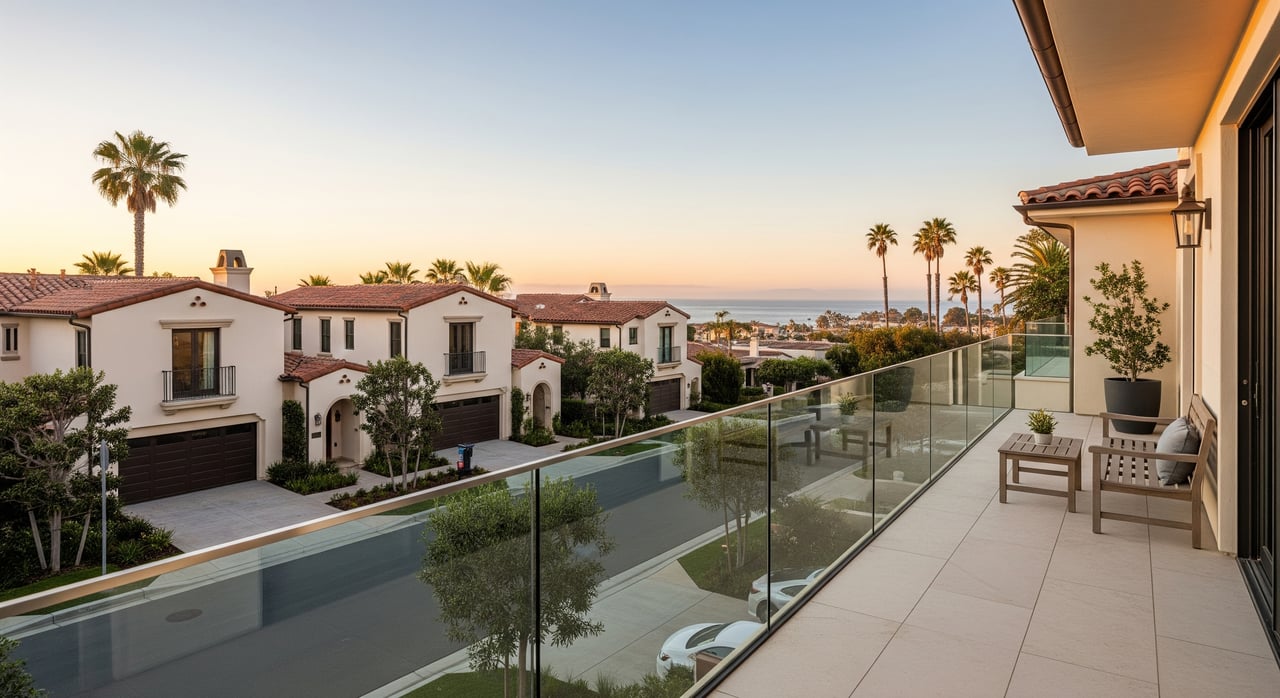
- Townhomes: Newer tracts and master-planned areas, including inland neighborhoods such as Talega, tend to include townhome-style housing with garages and small yards.
To verify what you are buying, look beyond the MLS category. Check the assessor parcel data, legal description, and the recorded CC&Rs to determine whether a townhome is fee-simple or a condominium form of ownership.
Quick decision guide
Use your top priority to guide the choice.
- Minimal maintenance or lock-and-leave lifestyle: Choose a condo.
- More privacy, a private entrance, and a small yard: Choose a townhome, especially fee-simple.
- Easiest conventional financing: Choose a fee-simple townhome.
- Lower entry price or potential investor interest: Consider a condo.
- Long-term appreciation tied more to single-family trends: Consider a townhome.
- Desire to customize the exterior: Fee-simple townhome first, then condo-form townhome, then condo.
Buyer due-diligence checklist
Gather and review these items during your contingency period.
- HOA documents: CC&Rs, Bylaws, Rules and Regulations, most recent budget and financials, reserve study, board meeting minutes for 12 to 24 months, insurance declarations, and any litigation disclosures.
- Property documents: Preliminary title report, legal description and parcel map, floor plan, seller’s resale certificate, recent pest inspection, and any structural or seismic reports for older buildings. For bluff-adjacent homes, request coastal engineering reports if available.
- Market and financing: Owner-occupancy rates, investor percentage, FHA or VA approval status, and comparable sales in the complex and nearby.
- Physical inspection: Roof and exterior condition, balconies and railings, HVAC and appliances, signs of water intrusion, parking and storage details, and any deferred maintenance in common areas.
What this means for your search
If you want maximum walkability with minimal upkeep, focus on downtown and beachfront condo communities. If you want a private entrance, garage, and a bit of outdoor space, target townhome tracts in inland or master-planned areas. In either case, the HOA’s financial health and the property’s coastal context should be part of your decision.
Ready to compare specific communities and run the numbers on dues, insurance, and resale potential? Reach out to schedule a consult with Michelle Bakkedahl for local insight and a focused plan.
FAQs
What are the main ownership differences between condos and townhomes?
- Condos give you ownership of the interior with shared ownership of land and exterior through the HOA, while townhomes can be fee-simple or condominium form, which affects who maintains the exterior and how lenders underwrite the loan.
How do HOA dues typically differ for condos vs townhomes in San Clemente?
- Condo HOAs often cover more, like building insurance, roofs, and exterior maintenance, which can mean higher dues, while townhome HOAs may focus on shared landscaping, roads, and amenities with owners covering more exterior items.
Which is easier to finance with FHA or VA loans?
- Condos can be harder because the project may need FHA or VA approval, while fee-simple townhomes are often underwritten like single-family homes and may have fewer project-level requirements.
What type of insurance will I need for each option?
- Condo owners usually need an HO-6 policy for interior finishes and personal property, and fee-simple townhome owners generally need an HO-3 policy that covers the structure and personal property.
How do San Clemente’s coastal factors affect the decision?
- Proximity to the ocean can impact insurance costs, maintenance, and permitting, and bluff-top buildings may have unique engineering requirements, so reviewing HOA disclosures and any available coastal or geotechnical reports is important.
How can I verify if a townhome is fee-simple or condominium form?
- Check the legal description in the preliminary title report, review the CC&Rs and parcel map, and confirm responsibilities in the HOA documents to see whether you own the lot and structure or an interior unit within a condo project.