Are you watching San Clemente listings and wondering how to move fast without overpaying? You are not alone. The market is a mosaic of micro-markets where the right move depends on product type, price band, and location. In this guide, you will learn how to read the data that matters, compare San Clemente to nearby South OC cities, and shape an offer that fits today’s conditions. Let’s dive in.
Market snapshot: what to watch
Buyers who win track a handful of core indicators. Here’s what each one tells you:
- Active inventory: The number of homes for sale right now. Rising inventory can offer more choice. Low inventory can tighten competition.
- Months of Inventory (MOI): Active listings divided by the average monthly sales. MOI under 3 usually favors sellers. MOI over 6 often gives buyers leverage.
- Absorption rate: Monthly sales divided by active listings. Higher absorption means faster-moving conditions.
- Median sale price: A middle price that is less skewed by very high-end sales. Use 12-month rolling medians and then compare year over year for trend clarity.
- Price per square foot (PPSF): A quick way to compare similar homes, especially across neighborhoods. Adjust for lot, view, and condition.
- Days on market (DOM): Median time to go pending. Short DOM points to stronger demand at that price and product type.
- Sale-to-list price ratio: Sale price divided by original list price. Above 100 percent suggests bidding pressure. Below 100 percent hints at room to negotiate.
- Cash vs financed share: Cash can still win tie-breakers. Strong pre-underwriting can narrow that gap for financed buyers.
Reading the signals for timing
Use time windows to spot momentum. A trailing 30 or 90 days lens shows current speed, while a 12-month rolling view smooths out seasonal bumps. Compare new listings to pendings to gauge demand right now.
- If MOI is low and DOM is short, expect multiple-offer pockets, especially in desirable tracts and renovated homes.
- If MOI is rising and DOM stretches, buyer leverage improves, especially on homes with price reductions or stale days on market.
- Look for sale-to-list ratios by neighborhood. Tracts that clear above asking may call for escalation language and appraisal planning.
Price bands and property types
San Clemente’s market sorts neatly by product type and price tier. Organize your search using local-friendly bands like under $1M, $1M to $2M, $2M to $3M, and over $3M. Then layer in property type and location.
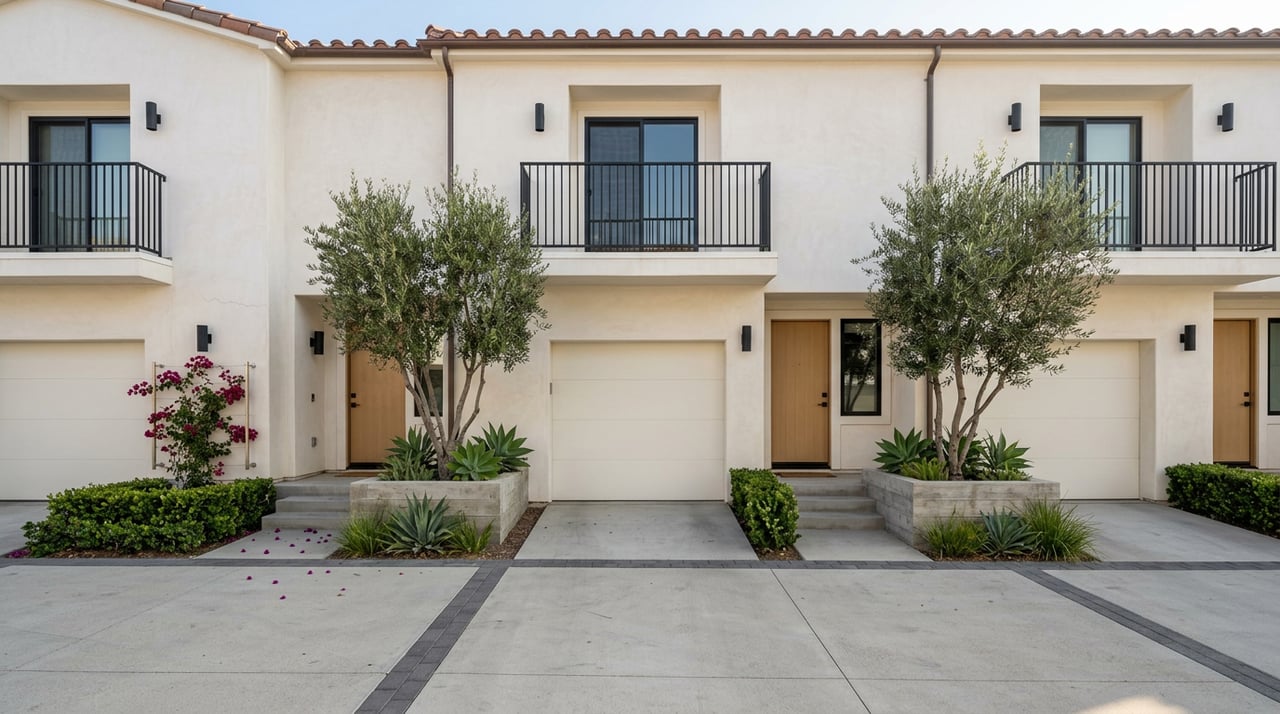
- Condos and townhomes: Often cluster in specific complexes, typically with HOAs. Some have different seasonal cycles. Confirm condo financing eligibility early.
- Single-family homes: Wider range of lot sizes, views, and renovation levels. PPSF varies widely by view corridor and proximity to the coast.
- Newer vs older stock: Newer inland homes can offer larger floor plans at a lower PPSF, while older coastal cottages trade more on lifestyle, walkability, and ocean access.
Coast vs inland micro-markets
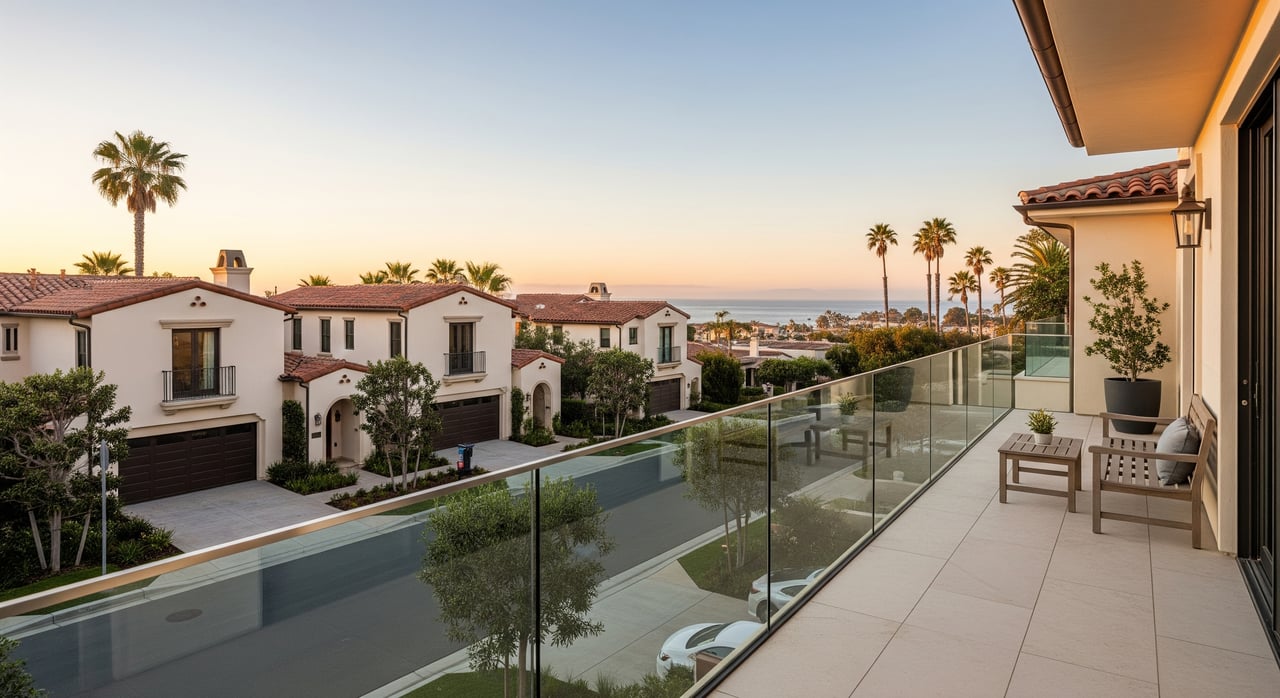
San Clemente behaves like several markets at once. Know which one you are in before you price or write.
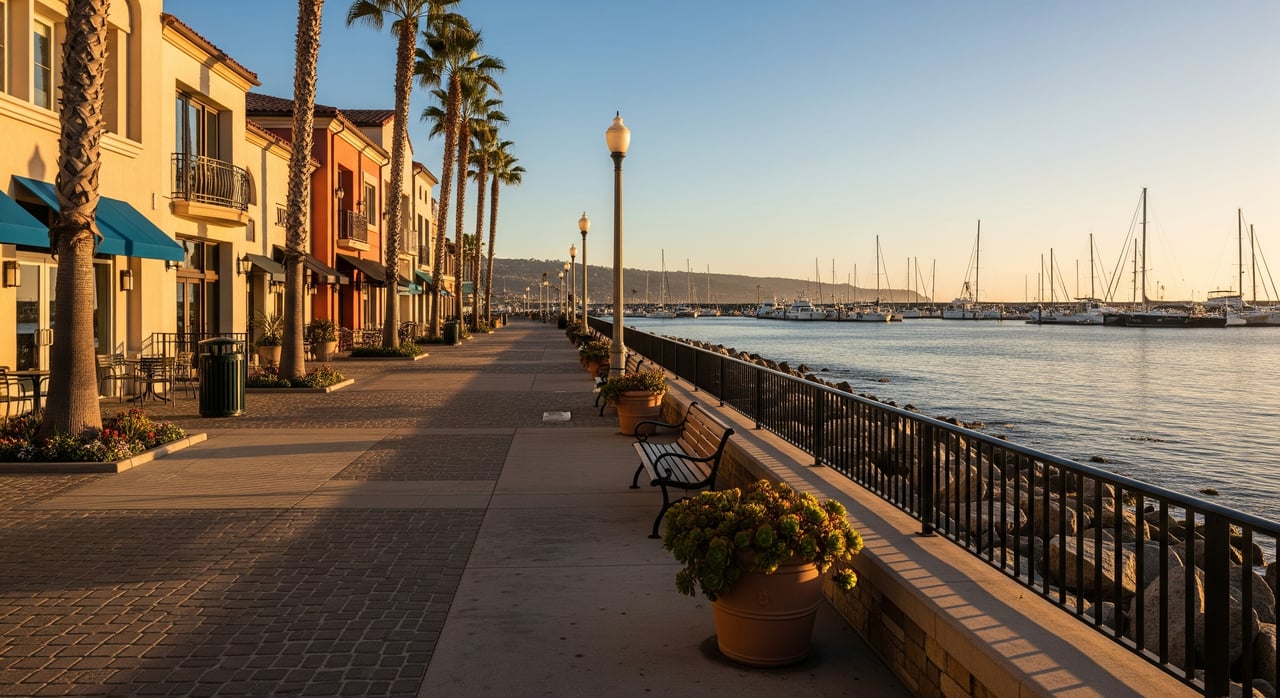
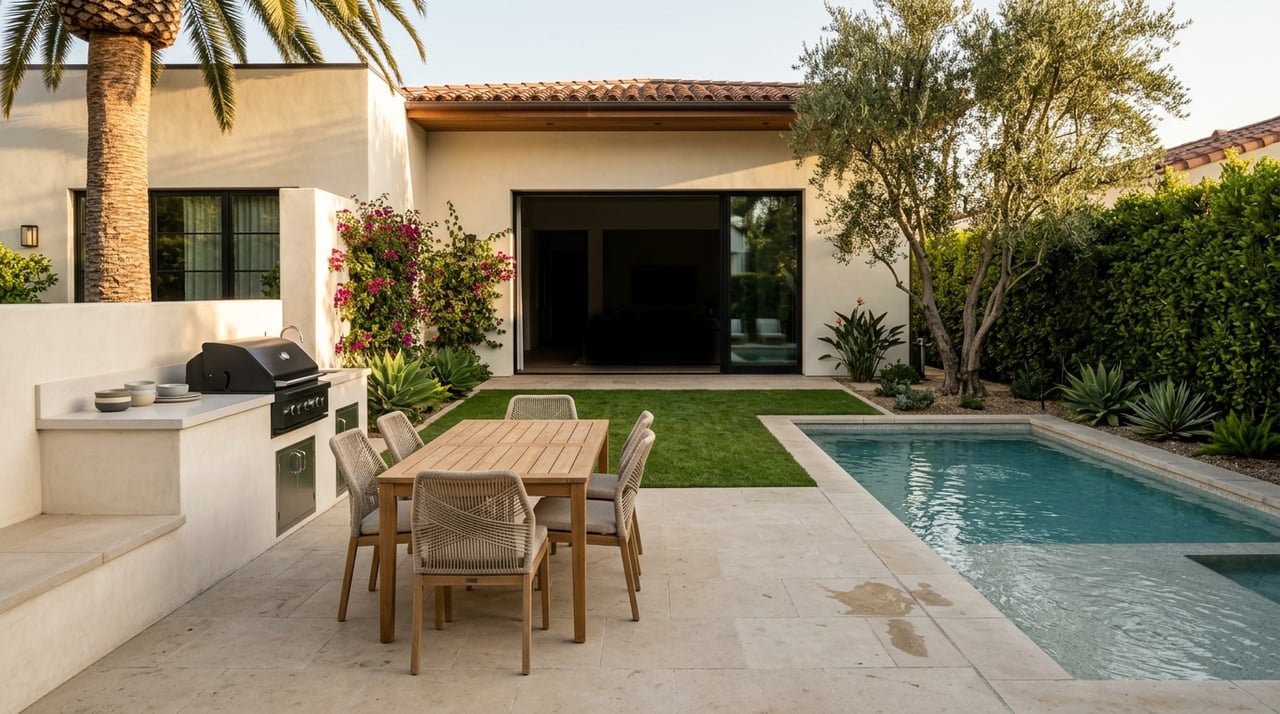
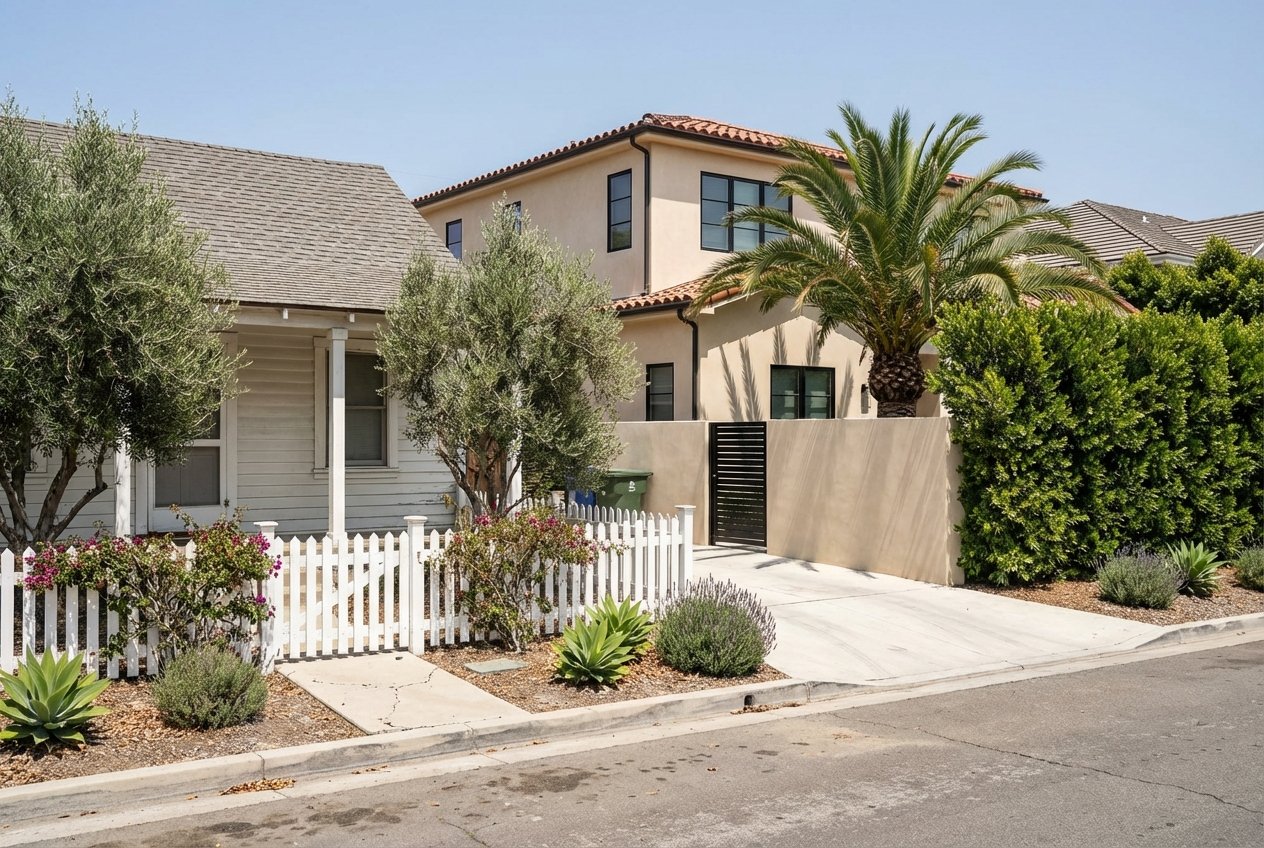
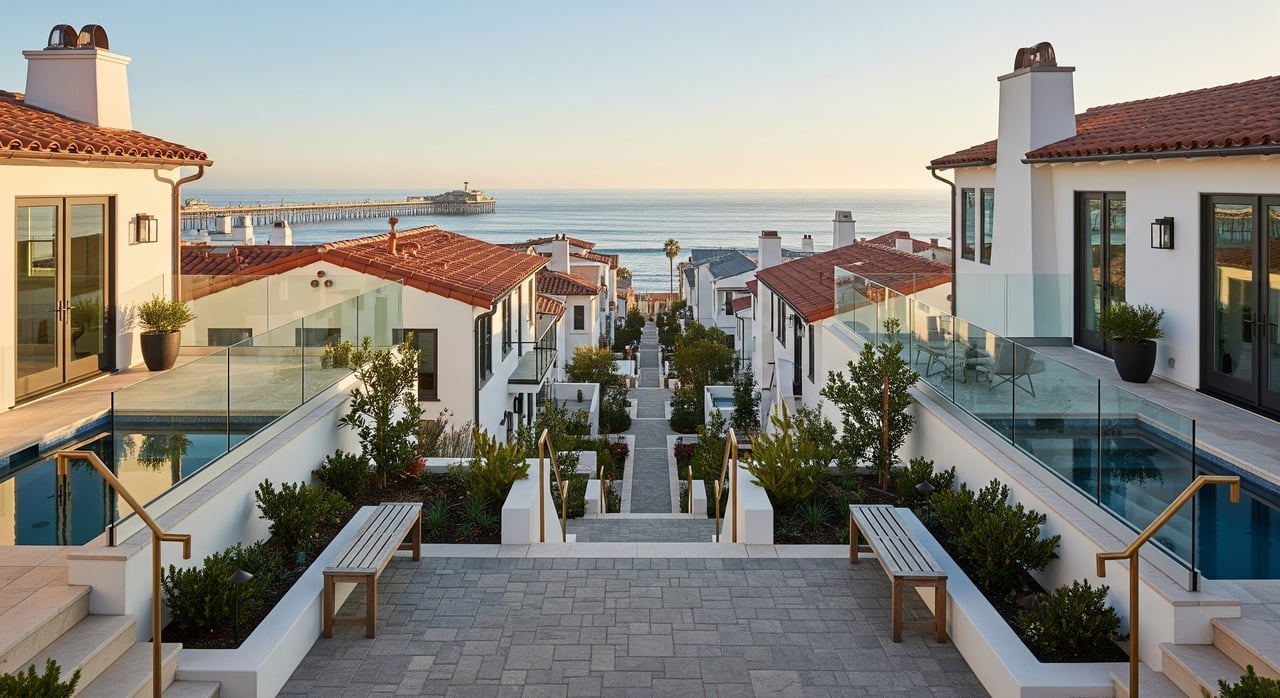
- Downtown and coastal areas: Often smaller lots and older structures, with a premium per square foot for proximity to the beach and shops. Competition can be strong for updated, move-in-ready homes.
- Talega and inland tracts: Master-planned neighborhoods with newer construction and community amenities. Floor plans and lot sizes are often larger. PPSF can be lower than immediate coast, even if total price is similar for bigger homes.
- Hillsides and canyons: Views, privacy, and topography can shift DOM and pricing patterns. Access and slopes can influence buyer demand and inspection scope.
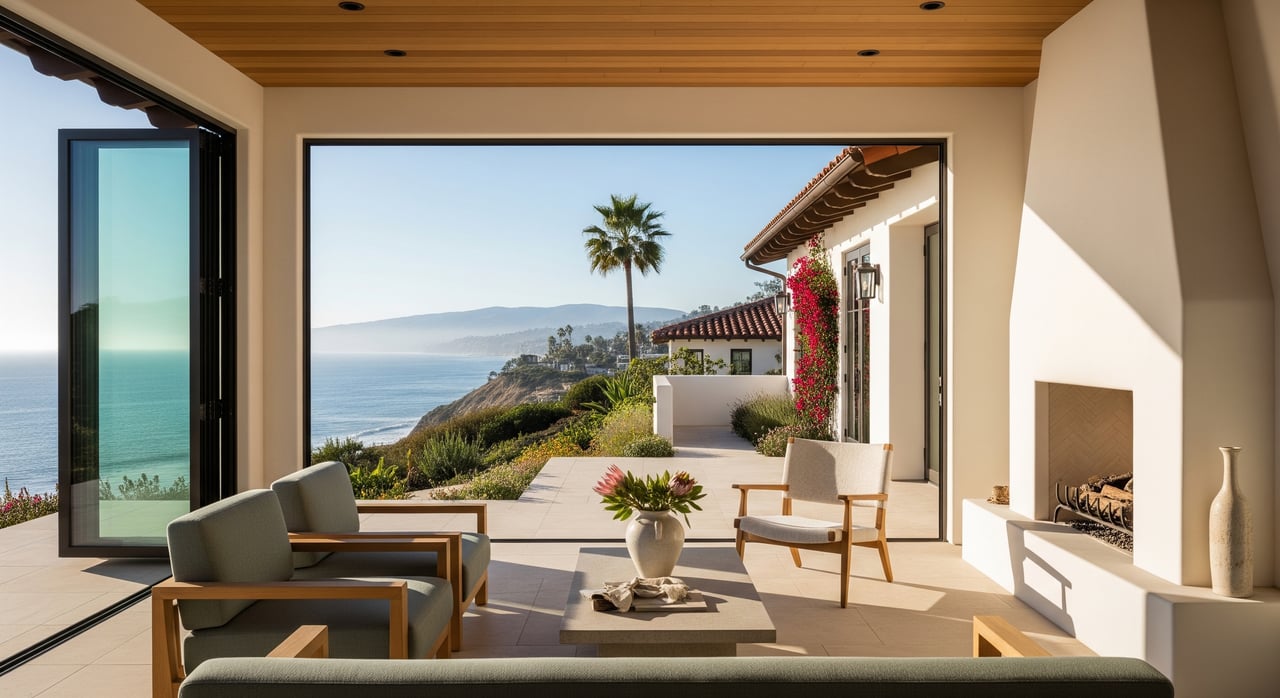
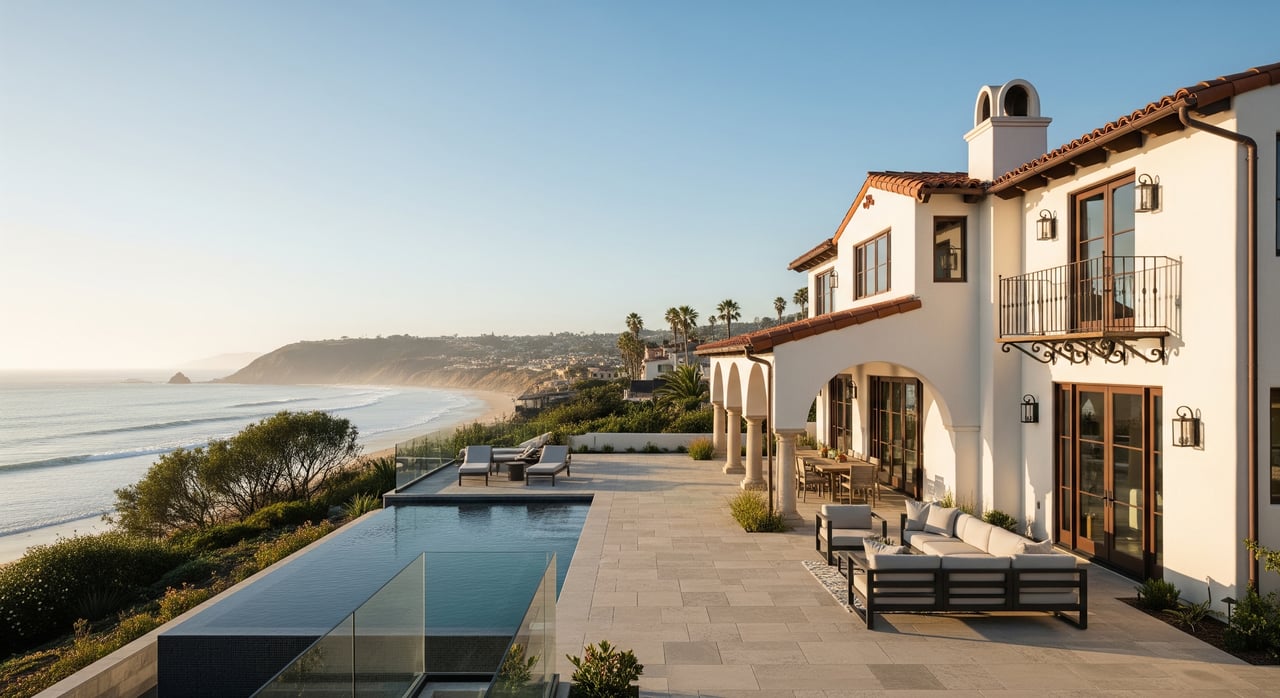
Coastal purchases may come with specific due diligence: seawall considerations, bluff setbacks, potential erosion factors, and insurance questions. Always review disclosures and consult local planning and hazard resources during your inspection window.
How San Clemente compares to nearby cities
When you widen your search to South Orange County, use the same definitions and time windows for each city. Compare:
- Median price and PPSF to understand overall cost vs size tradeoffs.
- MOI and absorption to gauge how competitive each city is today.
- DOM and sale-to-list ratio to see where buyers push over asking.
- Product mix by condos vs single-family homes for realistic options in your price band.
- Access factors like proximity to major freeways and rail, which can matter for commutes and weekend mobility.
Qualitatively, San Clemente blends a classic beach-town lifestyle and smaller downtown footprint with a broad mix of older beach cottages and newer inland communities. By contrast, Laguna Beach trends toward a luxury, art-forward coastal niche, while Newport Beach centers more on high-end harbor and coastal estates. Knowing these distinctions helps you align lifestyle goals with the value you get per square foot.
Pricing your offer with confidence
Anchor your numbers in recent closed comps from the same tract within the last 3 to 6 months. Adjust for view, lot size, condition, and renovations.
- If sale-to-list ratios in your target tract sit above 100 percent, consider escalation language with a clear cap.
- Build in appraisal strategy if comps are thin or prices are rising quickly. Budget for a potential gap or tailor your terms to share risk.
- In softer segments or where MOI is higher, explore seller credits for closing costs or rate buydowns and longer contingency windows.
Offer terms that win without overreaching
You can write a strong offer without taking unnecessary risk. Focus on clarity, speed, and verified strength.
- Financing strength: Aim for pre-underwriting rather than pre-approval. Shorten loan and appraisal timelines if your lender can support it.
- Clean contingencies: Keep inspection, appraisal, and loan contingencies, but tighten timelines where comfortable. Consider offering a brief cure period if issues arise.
- Earnest money and deposits: A solid deposit signals commitment. Confirm timelines and release milestones before you sign.
- Personalization and flexibility: Align closing and possession with the seller’s goals when possible. Flexibility can beat a small price gap.
Appraisal and financing smart moves
Coastal premiums and fast-moving pockets can outpace recent comps. Plan ahead:
- Appraisal gaps: Discuss a comfortable out-of-pocket limit or structured coverage language before you offer.
- Condo financing: Confirm complex eligibility, reserves, and any pending litigation early. This protects you from surprises mid-escrow.
- Rate sensitivity: If rates shift, revisit your payment ceiling and price band before you bid.
Inspections and disclosures to prioritize
Structure your due diligence to match the home’s location and age.
- Coastal concerns: Ask about drainage, corrosion, seawall or bluff stability considerations, and any coastal-related permits.
- Older homes: Budget for termite and wood-destroying pest inspections, sewer line checks, and roof life assessments.
- HOA communities: Review CC&Rs, budgets, reserve studies, and any planned special assessments.
- Required disclosures: In California, expect Transfer Disclosure Statements and Natural Hazard Disclosure reports. Read them closely and ask questions.
How to get trustworthy numbers
Market conditions can shift in weeks, not months. When you evaluate a property:
- Use consistent timeframes: latest month for current pace, trailing 90 days for momentum, and 12 months for stability.
- Verify active, pending, and closed counts for your target tract and price band.
- Normalize MOI and absorption using per-month averages. Remove clear outliers when you analyze PPSF.
- Label your data with the date range and source so you know exactly what you are comparing.
Visuals that make decisions easier
Ask your agent for visuals that turn noise into clarity:
- A 12-month median price line chart with year-over-year notes.
- A bar chart showing months of inventory by coastal vs inland tracts.
- A heat map of price per square foot by neighborhood.
- A histogram of sales share by price band.
- A scatterplot of sale-to-list ratio vs days on market.
- A simple comparison table for San Clemente vs 4 to 6 nearby cities using the same metrics.
Next steps
If San Clemente fits your lifestyle, the right plan can help you act decisively and still protect your interests. Start by narrowing to a few tracts, confirm current MOI and sale-to-list ratios, then tailor your offer terms to that micro-market. When you are ready, bring in a local partner who can surface pocket insights, align timelines, and negotiate with confidence.
Have questions or want a custom data brief for your price band and target neighborhoods? Connect with Michelle Bakkedahl for neighborhood-level guidance and a clear plan to win in San Clemente.
FAQs
Is San Clemente pricier than other South OC beach cities?
- Coastal tracts generally command a premium per square foot, while inland tracts can offer larger homes at lower PPSF; exact comparisons depend on the tract and product type.
Will I face bidding wars and fewer contingencies?
- In low-inventory, fast DOM pockets you may see multiple offers and tighter contingencies; in higher MOI segments buyers often secure credits, price adjustments, or longer timelines.
How much over asking should I offer in San Clemente?
- Base it on recent closed comps in the same tract and the sale-to-list ratio trend there; use escalation language only when the data supports competitive pressure.
Are appraisals a common challenge near the coast?
- Yes, coastal premiums and rapid shifts can outpace comps, so plan for potential appraisal gaps and discuss coverage strategies with your agent and lender.
Are insurance or maintenance costs higher along the coast?
- They can be, due to wind and salt exposure, potential erosion considerations, and flood-related factors; get quotes early and review disclosures carefully.
How should I balance coastal access with budget?
- Quantify the PPSF premium for coastal proximity, then weigh lifestyle benefits against tradeoffs like interior size, lot, and renovation scope in inland tracts.