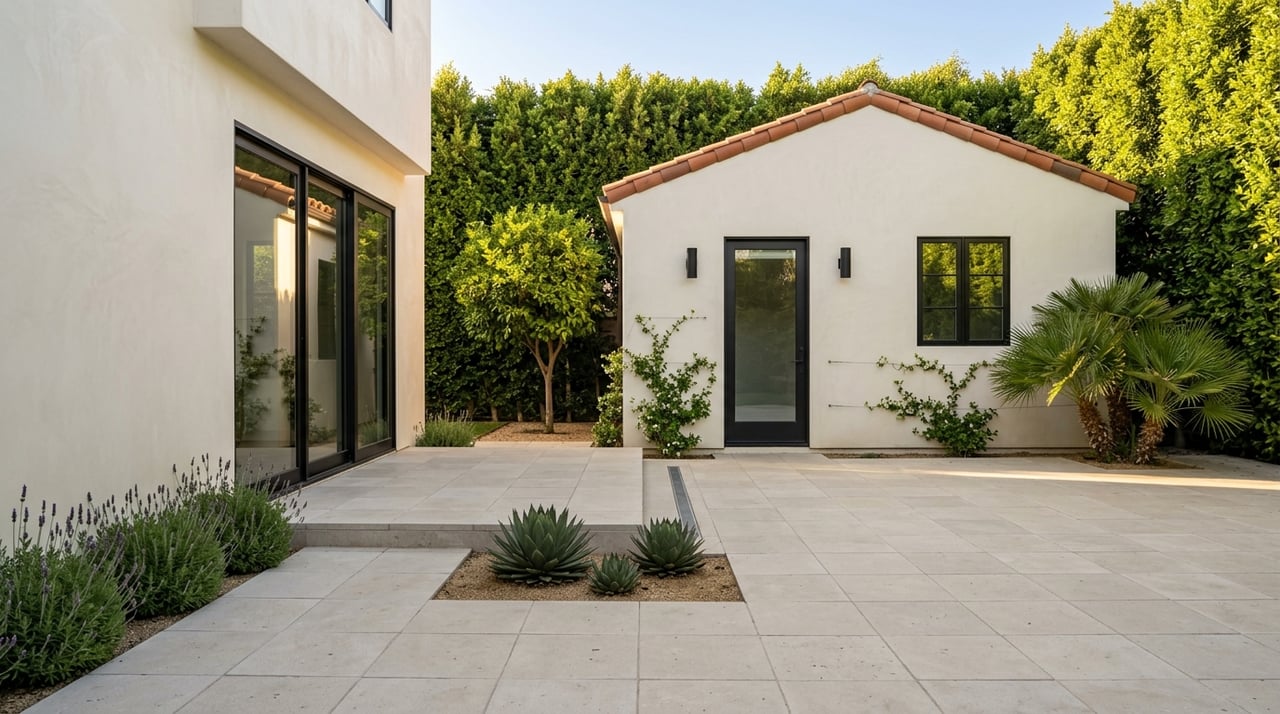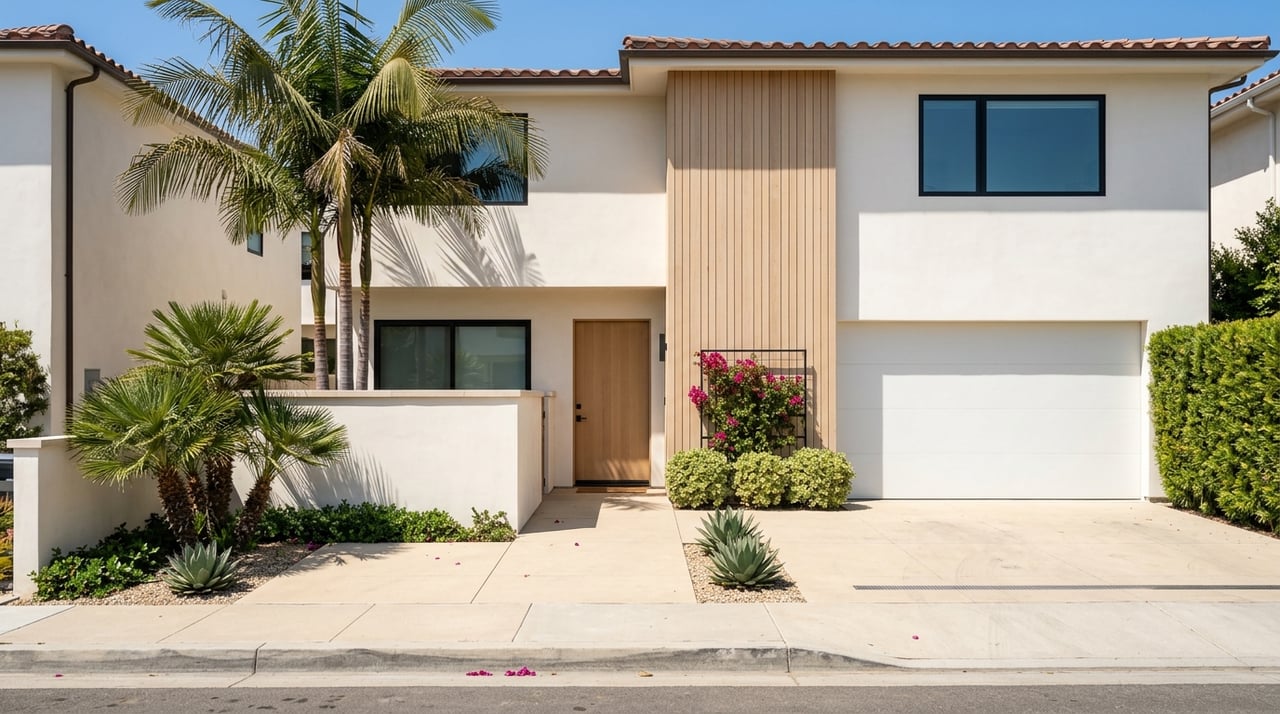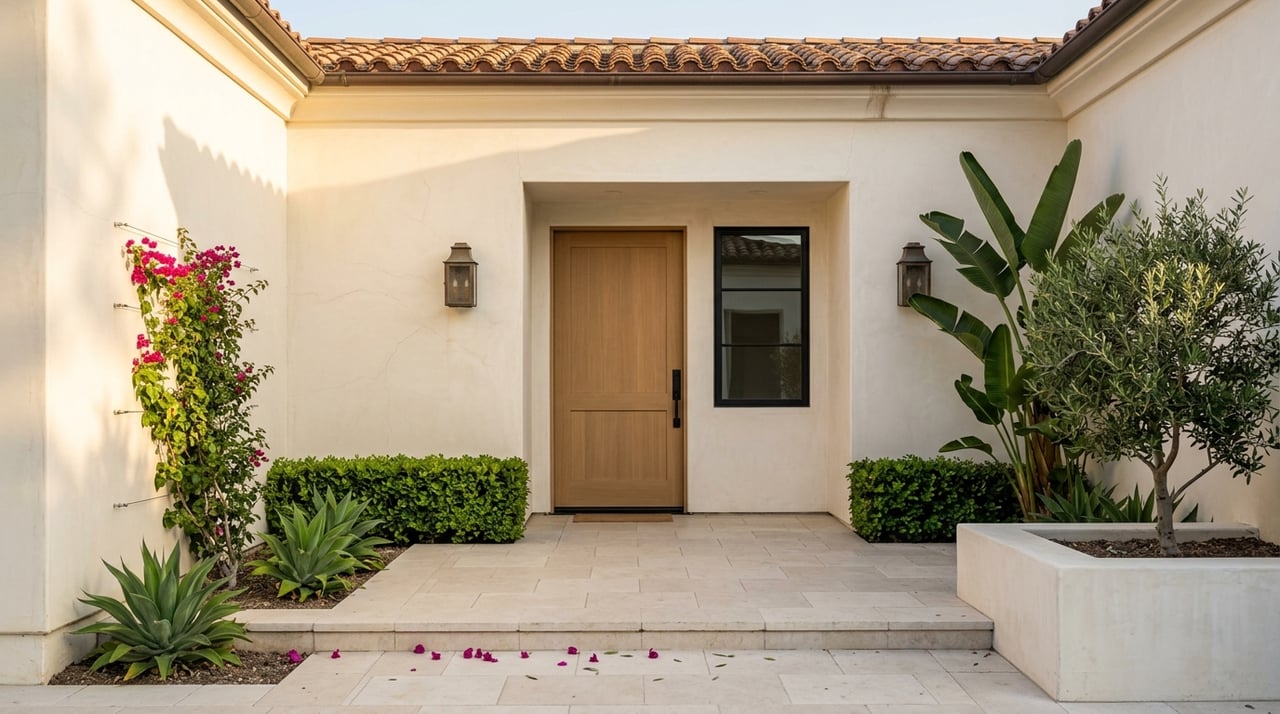
You love the idea of a lock-and-leave coastal home in Dana Point, but HOA fees and fine print can feel confusing. You’re not alone. Understanding how homeowners associations work is the key to choosing the right condo or townhome and protecting your budget. In this guide, you’ll learn what HOA fees cover in Dana Point, how to read CC&Rs and reserve studies, how special assessments happen, and what to ask for before you write an offer. Let’s dive in.
How HOAs work in California
Most condo and planned communities in California are governed by the Davis‑Stirling Common Interest Development Act along with each HOA’s CC&Rs, bylaws, and rules. You become a member of the association when you buy, and you pay assessments that fund operations, maintenance, insurance for common areas, and long‑term reserves.
An HOA typically has an elected board and often a professional management company. The board enforces CC&Rs, adopts budgets, hires vendors, and sets assessments. Your rights and responsibilities come from state law and the community’s governing documents, so plan to review them closely before you remove contingencies.
What Dana Point HOA fees cover
HOA fees vary by size, age, amenities, and what the association insures or maintains. In Dana Point coastal communities, you’ll commonly see:
- Lower‑amenity small complexes: around 300 to 600 dollars per month.
- Mid‑range coastal communities: roughly 500 to 1,200 dollars or more per month.
- High‑amenity or newer luxury buildings: can exceed 1,200 dollars per month.
These ranges are directional. Always verify the current fee for the specific community you’re considering.
Common inclusions
- Exterior maintenance and repairs, such as roofs, siding, paint, and balconies.
- Landscaping, irrigation, and pest control for common areas.
- Common utilities, like water for landscaping and sometimes trash in whole‑building condos.
- Master insurance for the building exterior and common areas.
- Reserve contributions for future capital projects.
- Management, administration, accounting, and legal as needed.
- Amenity operations, including pools, fitness rooms, elevators, and security gates.
Common exclusions
- Your interior finishes and personal property. You’ll want an HO‑6 condo policy.
- Earthquake insurance is usually not included and may be purchased separately.
- Individual unit utilities that are not billed in bulk. Confirm how utilities are billed.
- Special assessments for major projects unless already levied.
Coastal cost drivers to know
Dana Point’s salt air and humidity speed up exterior wear. Metal railings and fixtures corrode faster. Paint cycles are shorter. Deck and balcony work happens more often. Older buildings from the mid to late twentieth century may face larger capital projects sooner than newer inland properties. Expect higher exterior upkeep and a stronger focus on reserves.
Read your HOA documents
The resale package will include the governing documents. Read them with a clear eye for how you will live day to day and how the HOA manages money.
CC&Rs, bylaws, and rules
- CC&Rs set long‑term use rules, the alteration approval process, rental and pet policies, and how assessments are levied and collected.
- Bylaws cover governance, such as board composition, elections, quorum, and officer roles.
- Rules and regulations address daily living, like parking, noise, trash, and amenity use.
Key clauses to flag:
- Maintenance responsibility: what the HOA maintains versus what the owner maintains. Look for language such as paint to the studs or walls out.
- Alterations and architectural approvals: how you get approval for interior updates or balcony changes.
- Rental limits and lease minimums: important for both owners and investors.
- Use restrictions: including short‑term rentals, age limits, or parking rules.
- Voting thresholds: what it takes to amend documents or approve assessments.
- Enforcement and fines: how violations are handled and what dispute resolution looks like.
Check the finances and reserves
A healthy budget and reserve plan protect owners from sudden fee spikes and special assessments.
- Operating budget: Review the current year and the past two to three years. Note trends in insurance, utilities, landscaping, and repairs.
- Reserve study: This is essential. It lists major components, estimated timelines, and recommended annual contributions.
- What to check: the date of the study, the recommended contribution, current reserve balance, and percent funded.
- Red flags: no recent study, reserves far below recommendations, or balances that do not match upcoming projects.
- Practical tip: a low percent‑funded reserve, such as under about 50 percent, is a caution sign. The lower the funding, the higher the chance of special assessments or steep increases. Always rely on the details in the actual study.
- Delinquency rate: Ask for a delinquency report. A high percentage of unpaid dues strains cash flow and can force assessments.
Special assessments explained
Special assessments are charges levied when the operating budget and reserves are not enough for a specific project. They can be one‑time or spread over months or years. Approval thresholds are set by state law and the association’s own documents, so confirm the rules in the CC&Rs and bylaws.
In Dana Point, the likelihood of special assessments increases when:
- Reserves are underfunded.
- Buildings are older and maintenance has been deferred.
- Large exterior projects are due, such as re‑roofing, re‑siding, or balcony work.
- There is litigation or unanticipated damage requiring major repairs.
What to scan in meeting minutes and disclosures:
- Recent or proposed capital projects and timelines.
- Voting history on fee increases or assessments.
- Pending or settled litigation that could affect future costs.
- Contractor bids and scope of work.
Insurance: master policy and your HO‑6
Most associations carry a master policy that covers the building shell and common areas. The details vary by community. Ask for the declarations page and review coverage type and deductibles. Higher deductibles can be passed through to owners under certain conditions.
You will likely need an HO‑6 condo policy for your interior finishes, personal property, loss assessment coverage, and liability. Earthquake insurance is usually not included in the HOA policy. Consider whether you want to add this coverage through your insurer.
Buyer document checklist
Request these items in your resale packet or from the seller or HOA. There is often a fee for the package.
- CC&Rs, bylaws, and rules and regulations, plus any amendments.
- Current operating budget and prior two to three years of budgets.
- Most recent reserve study and the reserve funding plan.
- Current reserve balance and financial statements.
- Latest monthly or quarterly financials and profit and loss statements.
- Board meeting minutes for the last 12 to 24 months, or at least one year.
- List of current assessments and any scheduled increases.
- Delinquency report showing the percentage of unpaid accounts.
- Master insurance declarations and fidelity bond coverage.
- Pending litigation disclosures and insurance claim history for the HOA.
- Management contract and vendor list, such as roofing, landscaping, and pest control.
- Utility billing details for the building and individual units.
- California resale certificate with fees, owner status, and governing documents.
- Any engineering, structural, or inspection reports, including balcony or roof inspections.
Budget like a pro
Plan for upfront costs at closing and for monthly expenses after you move in. Build buffers for coastal wear and potential assessments.
Upfront and closing costs
- HOA transfer or resale packet fee.
- Move‑in or move‑out deposits or elevator or parking fees if applicable.
- Prorated HOA dues at closing.
- Any special assessment payoff or outstanding balance, per the contract.
- Condo inspection costs, including balcony or deck inspections in older buildings.
Ongoing monthly costs
- HOA dues at the current rate and any scheduled increases.
- HO‑6 condo insurance, plus earthquake or flood if you choose.
- Utilities not covered by the HOA, such as electricity, internet, or cable.
- A personal reserve for unexpected repairs or assessments.
Practical rules of thumb
- Keep an emergency buffer equal to three to six months of your mortgage plus HOA fees if owner‑occupied. Investors may want more.
- For potential special assessments, consider setting aside an extra three to six months of HOA fees or a fixed dollar cushion based on the property price and reserve study story.
- Watch the reserve percent funded. Lower funding equals higher risk of special assessments or fee jumps.
- Expect higher exterior maintenance in coastal communities. Older buildings or studies showing imminent projects call for bigger cushions.
Financing and lender checks
Some lenders have condo project requirements for FHA, VA, or conventional loans. Ask early whether the project meets your lender’s standards. Lenders will want the resale certificate and budget. Make sure these can be provided quickly to keep your escrow on schedule.
Negotiation and contract tips
- Include an HOA document review contingency to give you time to analyze the resale packet and financials.
- Ask the seller to disclose any recent assessments and planned projects. Negotiate who pays assessments approved before closing, and clarify responsibility for anything approved after closing.
- For older buildings or those with known corrosion, consider an independent reserve or structural inspection.
Local due diligence tips
Your goal is to understand both the property and the building. In Dana Point, that often means confirming the maintenance history, permits, and major project timing.
- City permits and records can reveal past building work, code enforcement items, or current project plans.
- County assessor or recorder records will show recorded CC&Rs and can surface liens or other encumbrances.
- HOA minutes and reserve studies will show whether roof, siding, balcony, or elevator projects are on the near‑term horizon.
If you spot gaps in the record or older reserve studies, ask for updates before you waive contingencies.
The bottom line for Dana Point condo buyers
Start with the documents, not the pool or the view. In a coastal market, strong reserves, clear maintenance language, and a realistic budget protect your investment. Read the CC&Rs and rules. Study the budget and reserve study. Scan the minutes. Clarify insurance. Then shape your offer with the right contingencies and cushions.
When you want practical, local guidance on specific Dana Point communities, reach out. You’ll get responsive, escrow‑savvy support and a clear plan from first tour to closing. Connect with Michelle Bakkedahl for expert buyer representation in South Orange County.
FAQs
What is an HOA and how does it affect a Dana Point condo purchase?
- An HOA manages common areas, enforces CC&Rs and rules, sets budgets, and collects dues, which directly impact your monthly costs and future assessments.
How much are HOA fees in Dana Point and what do they cover?
- Directionally, fees range from about 300 to over 1,200 dollars per month and often cover exterior maintenance, common utilities, master insurance, reserves, management, and amenities.
What is a reserve study and why does it matter for coastal condos?
- A reserve study maps major components, timing, and funding needs; in coastal buildings with faster exterior wear, strong reserves reduce the chance of special assessments.
Are special assessments common in Dana Point condo HOAs?
- They can occur, especially where reserves are low, buildings are older, or large projects like roofs, siding, or balconies are due; always review minutes and reserve studies.
What insurance do I need for a Dana Point condo in an HOA?
- Most HOAs carry a master policy for exteriors and common areas; you typically need an HO‑6 policy for your interior, personal property, loss assessment coverage, and liability.