Is San Juan Capistrano’s old-world charm calling your name, or do you lean toward the ease of newer, amenitized neighborhoods? It is a real tradeoff. You want the right lifestyle fit, the right monthly costs, and the right long-term plan. In this guide, you will learn how the historic core and newer communities compare on price signals, lot sizes, HOAs and special taxes, commute options, risk maps, and renovation rules. Let’s dive in.
Historic core: feel and lifestyle
What you get
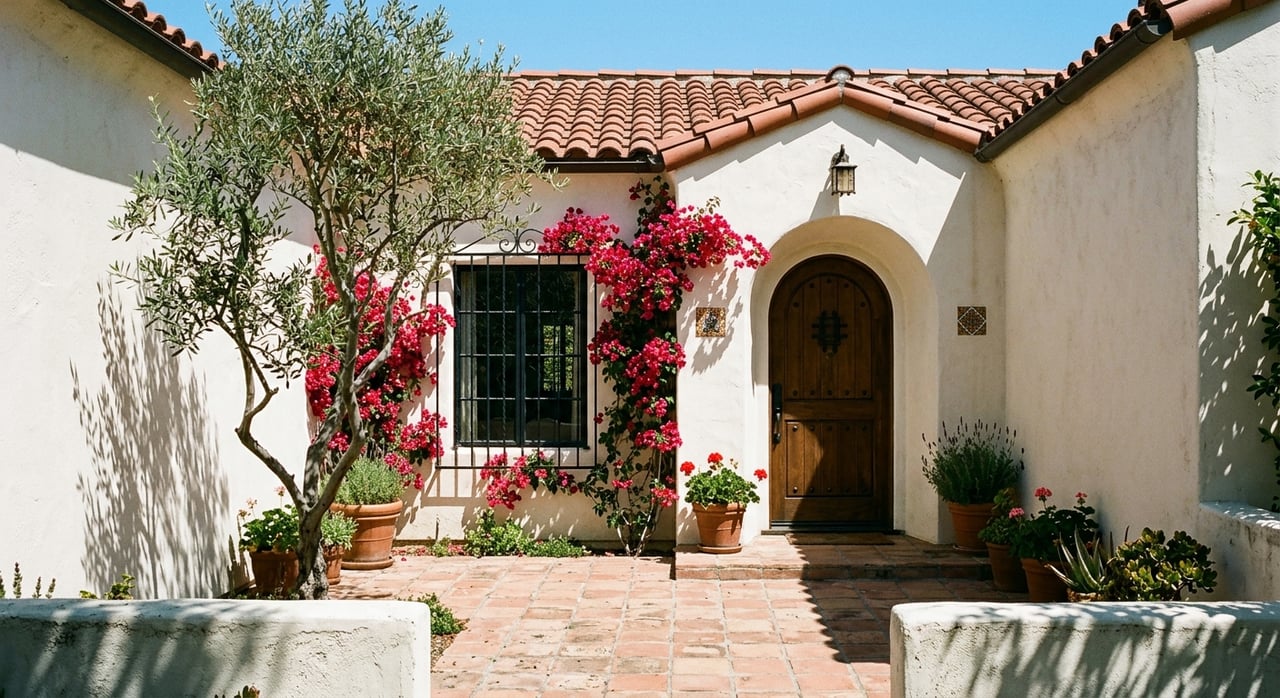
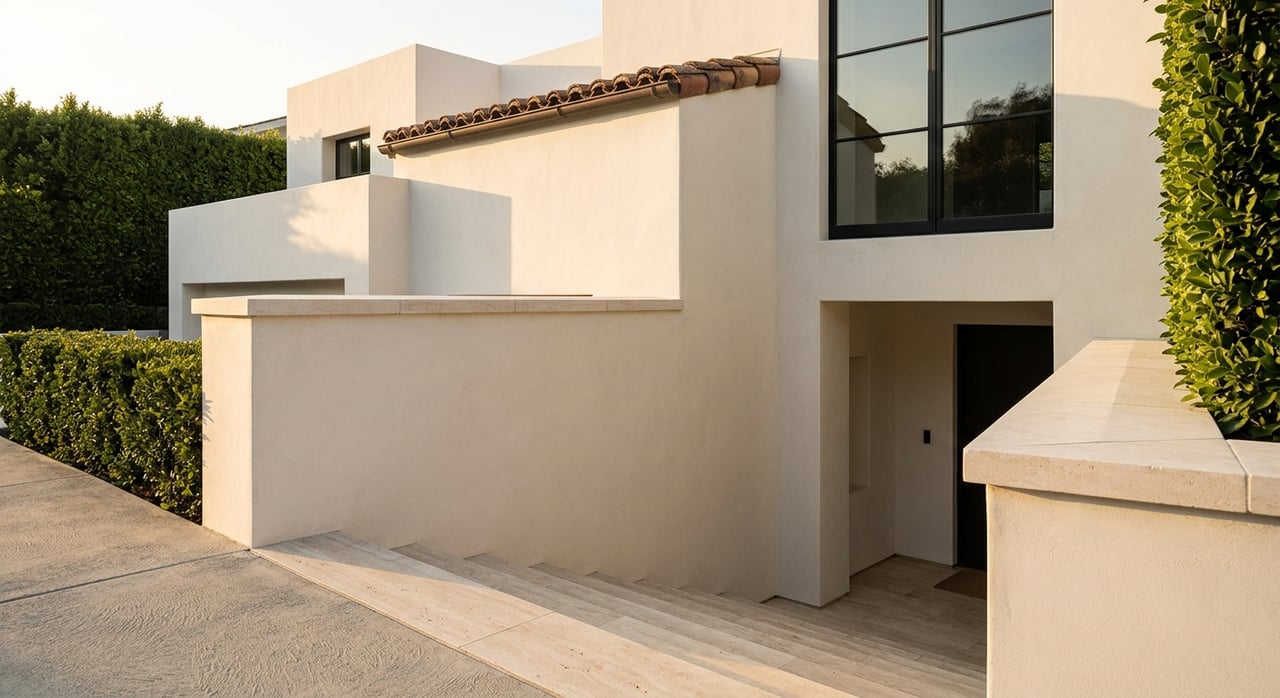
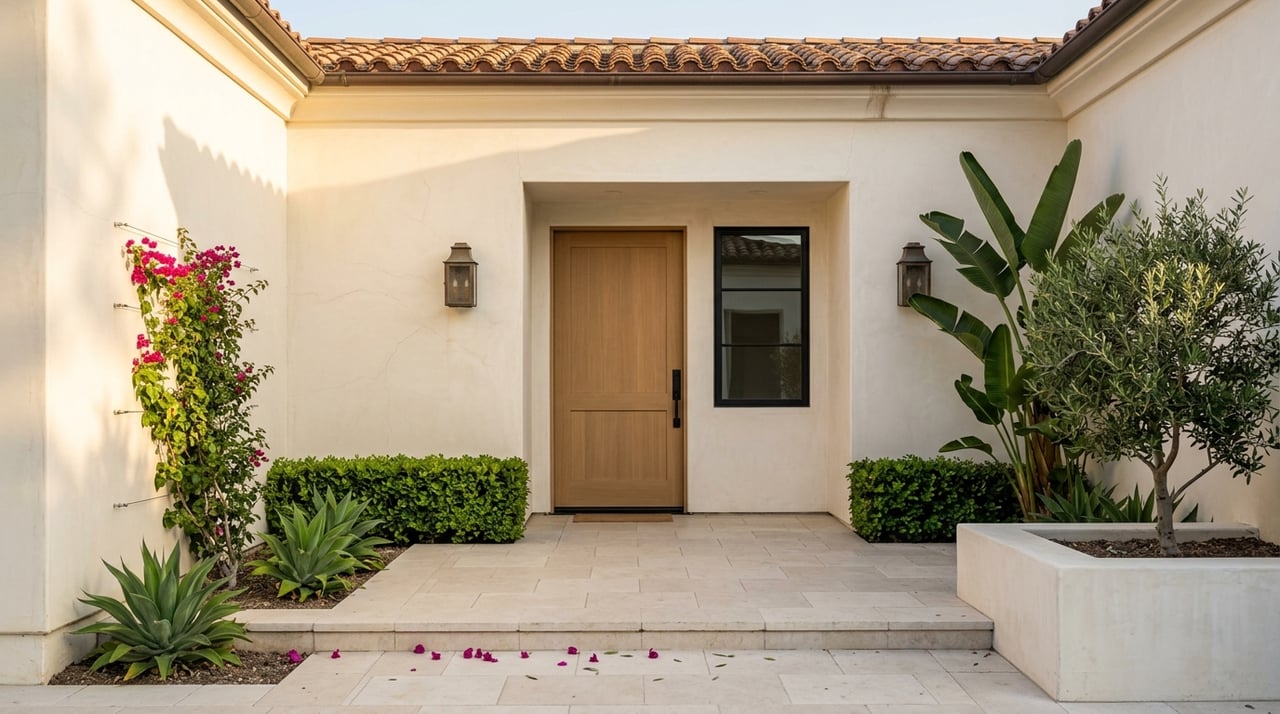
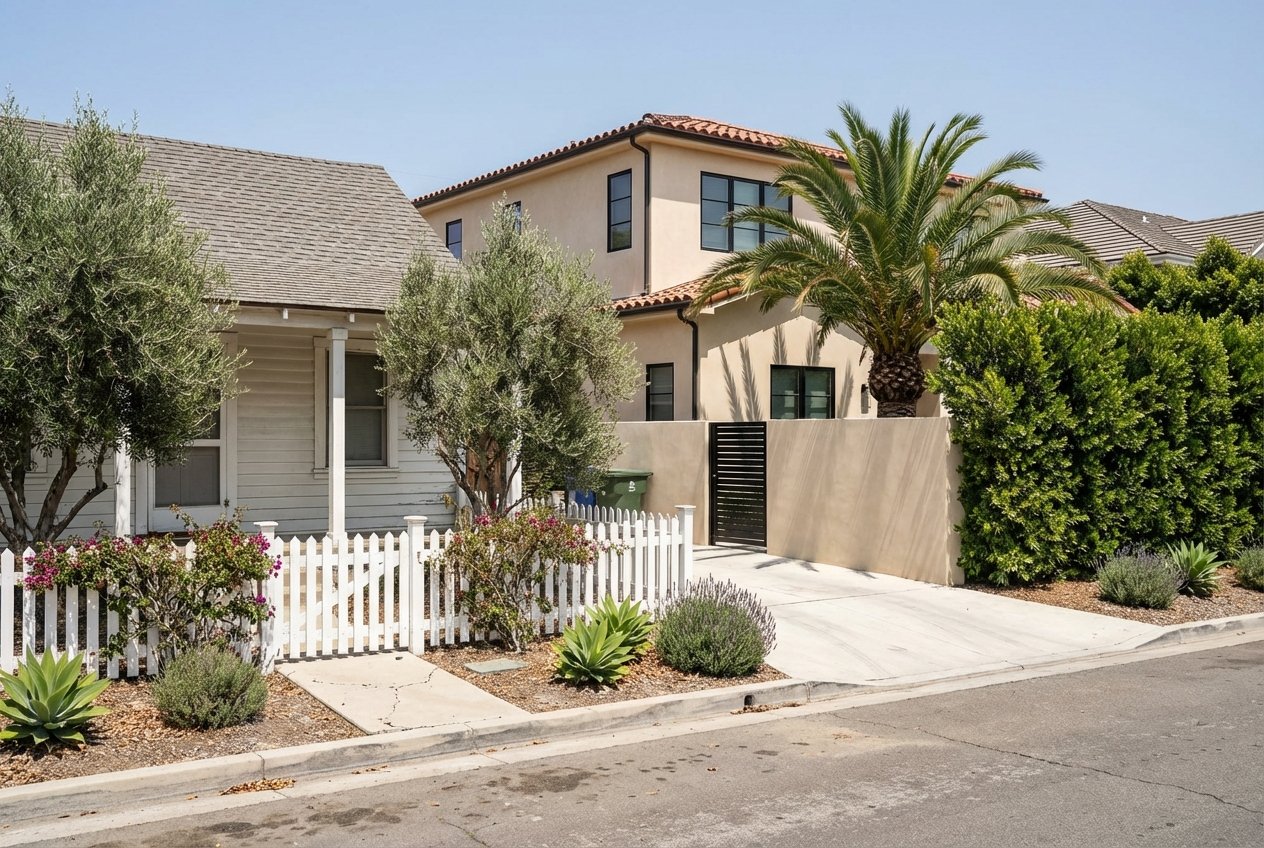
The Mission anchors the walkable heart of town, with the Los Rios Street Historic District right across the tracks. Many homes here are cottages, adobes, and early bungalows, and some buildings serve both residential and daytime commercial uses near the Mission and the depot. You can stroll to cafes, festivals, and the station, and you will feel the region’s history in day-to-day living. The Mission’s events and cultural programming also bring a steady hum of activity to the area. You can preview the rhythm of downtown by checking the Mission’s events calendar at the official site for Mission San Juan Capistrano.
Costs and constraints
Smaller lots and location scarcity often translate to higher price per square foot compared to outlying tracts. The city maintains an official Inventory of Historic & Cultural Landmarks, and exterior changes on designated properties can require historic review rather than a typical HOA design review. Plan for more paperwork, drawings, and timelines when renovating. You can review the city’s process on the Inventory of Historic & Cultural Landmarks page.
Tour on weekends if possible. Festivals and visitor traffic can increase congestion and reduce on-street parking near the Mission area during events. If quiet weekends are a top priority, it helps to experience a few event days in person.
Who it fits
Choose the historic core if you value walkability, character architecture, and being steps from local culture. Expect compact lots, some tourist energy, and added diligence for any exterior changes or additions.
Newer and master-planned: what to expect
Rancho Mission Viejo and similar villages
Adjacent to San Juan Capistrano, Rancho Mission Viejo (RMV) offers modern master-planned living with trails, village amenities, and a mix of attached and detached options, including 55-plus neighborhoods. Community programming, recreation centers, and newer neighborhood infrastructure draw buyers who want move-in-ready homes with predictable upkeep. Explore neighborhoods and community details on the Rancho Mission Viejo site.
HOAs and Mello-Roos
Newer master-planned communities commonly have layered HOAs plus special taxes known as Mello-Roos or Community Facilities Districts. RMV materials note that HOA dues often span from the mid-200s to several hundred dollars per month depending on the neighborhood. RMV also highlights that many new buyers should expect total property tax rates around the 1.8 to 2.0 percent range due to CFD layers. Always confirm the exact amounts for a specific parcel in the builder disclosures or tax bill. RMV’s buyer FAQ explains how these assessments work and why they vary by neighborhood. You can review the basics in the Rancho Mission Viejo FAQ.
Who it fits
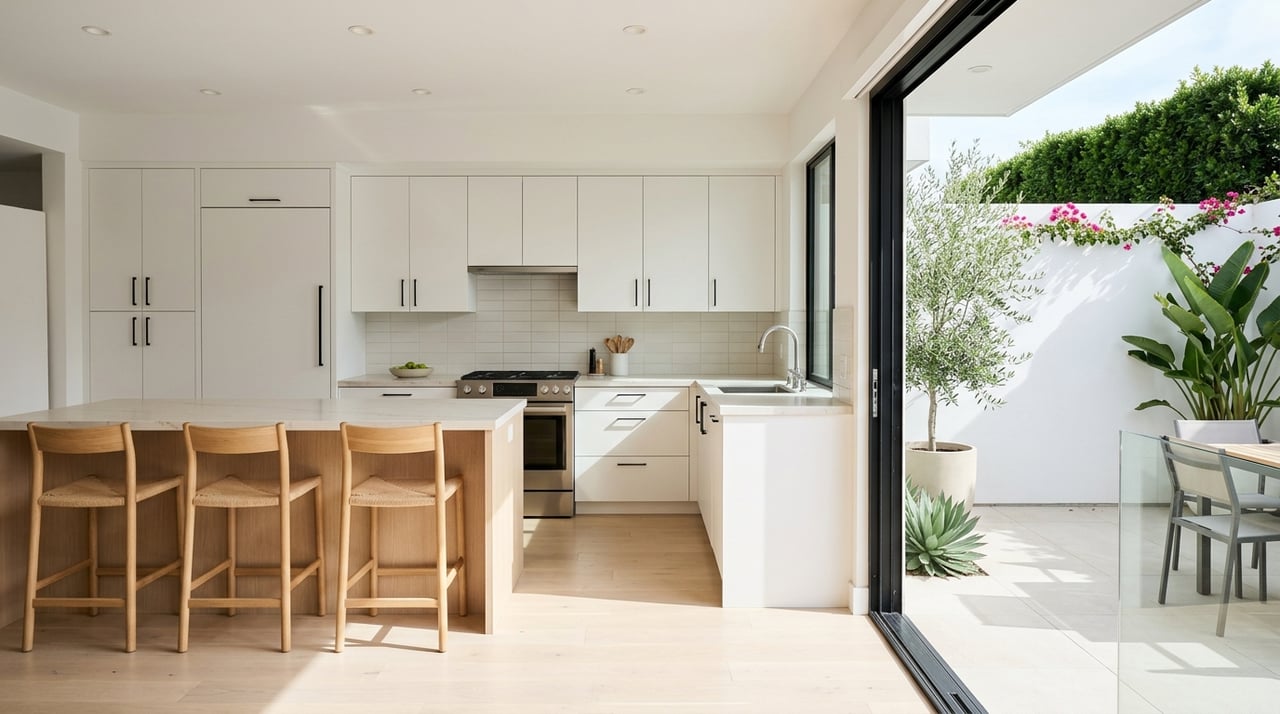
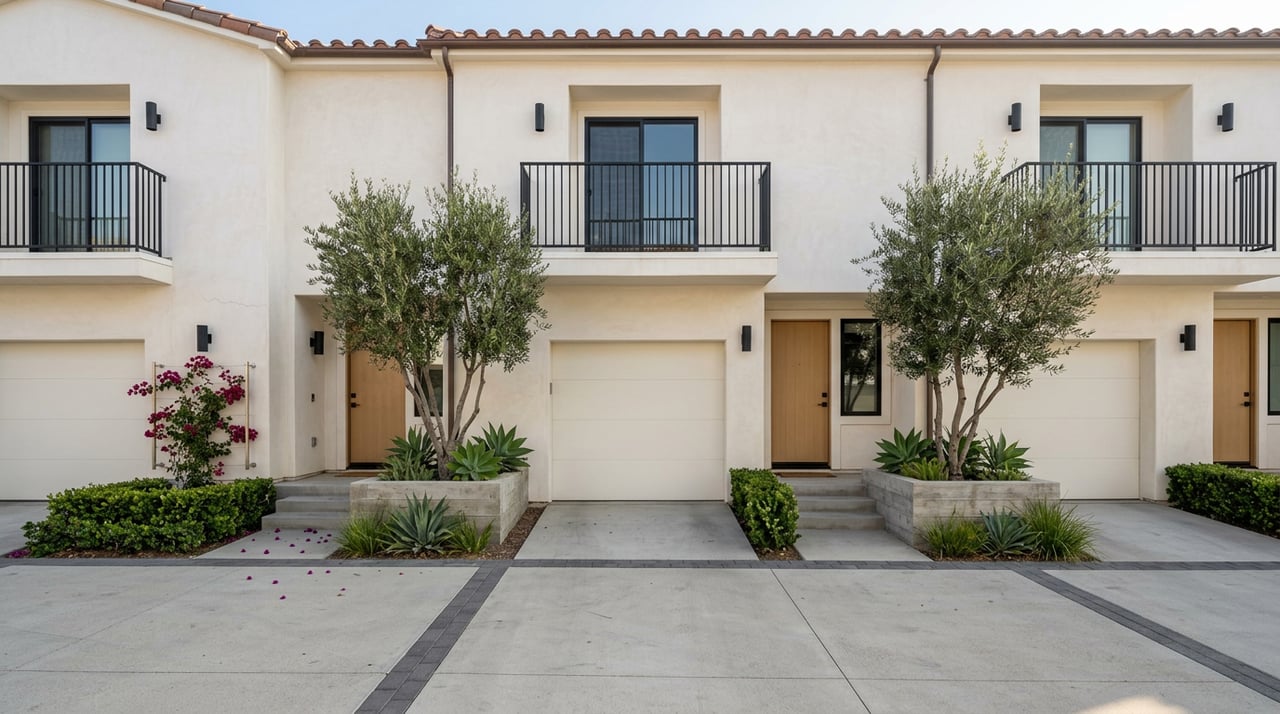
Pick a newer master-planned setting if you want community amenities, newer construction, and a clear maintenance framework. Budget carefully for HOA dues and CFD taxes when comparing monthly costs to older homes without these assessments.
Gated and country club enclaves
What you get
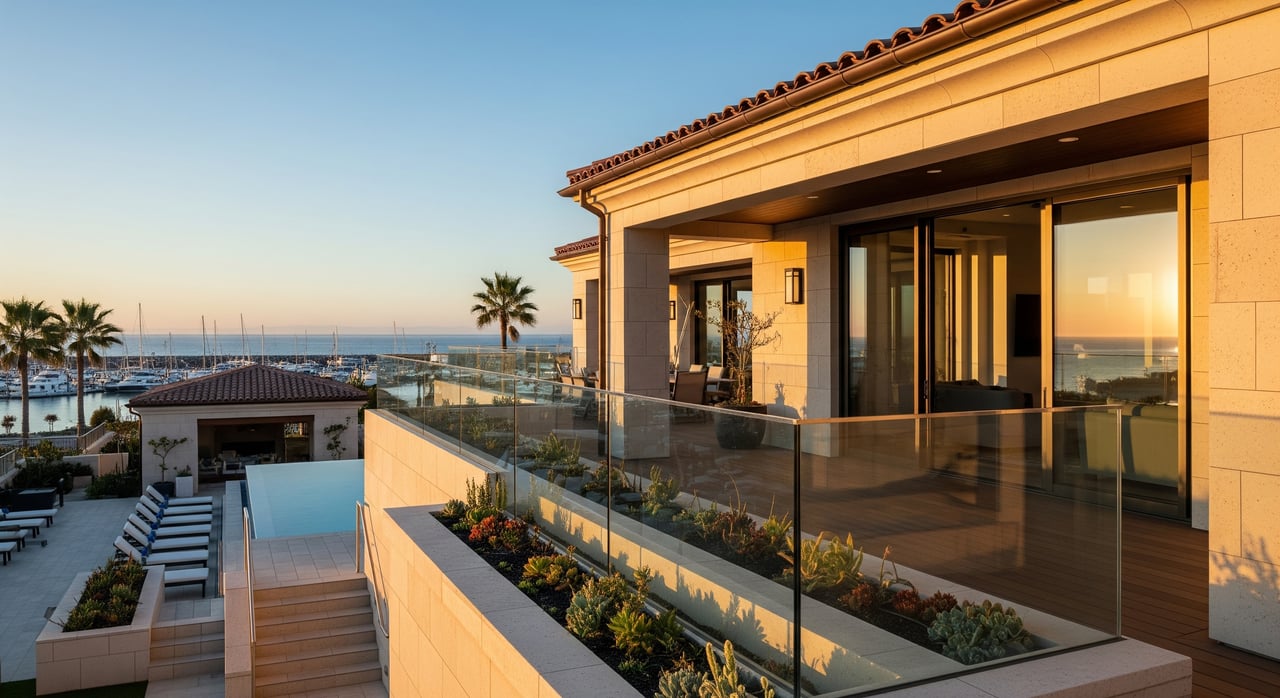
Within 92675, communities like Marbella Country Club and other gated enclaves offer larger homes, a quiet street feel, and access to private amenities. Many were built from the 1980s through the 2000s, with varied architectural styles and lot sizes.
Carry costs and memberships
Expect monthly HOA dues that are commonly in the low to mid hundreds in many gated tracts, and plan for separate or optional country club memberships if you want golf or club benefits. Learn more about the club experience via Marbella Country Club.
Who it fits
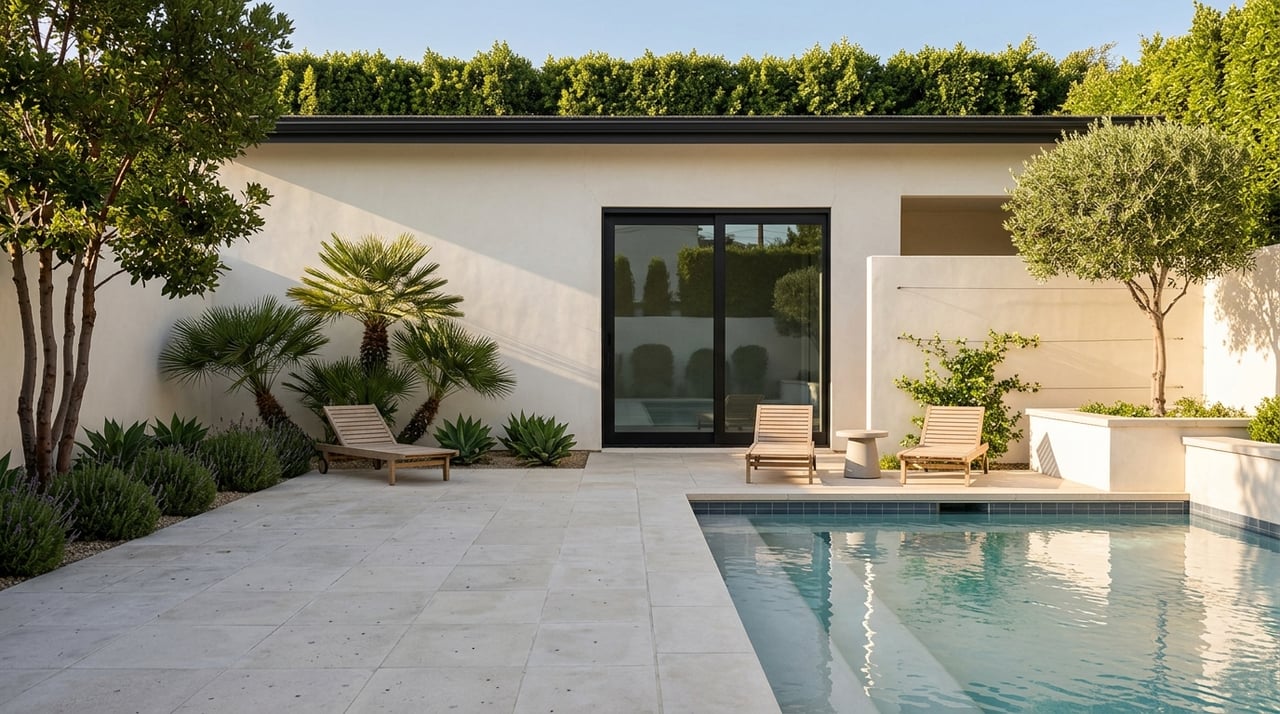
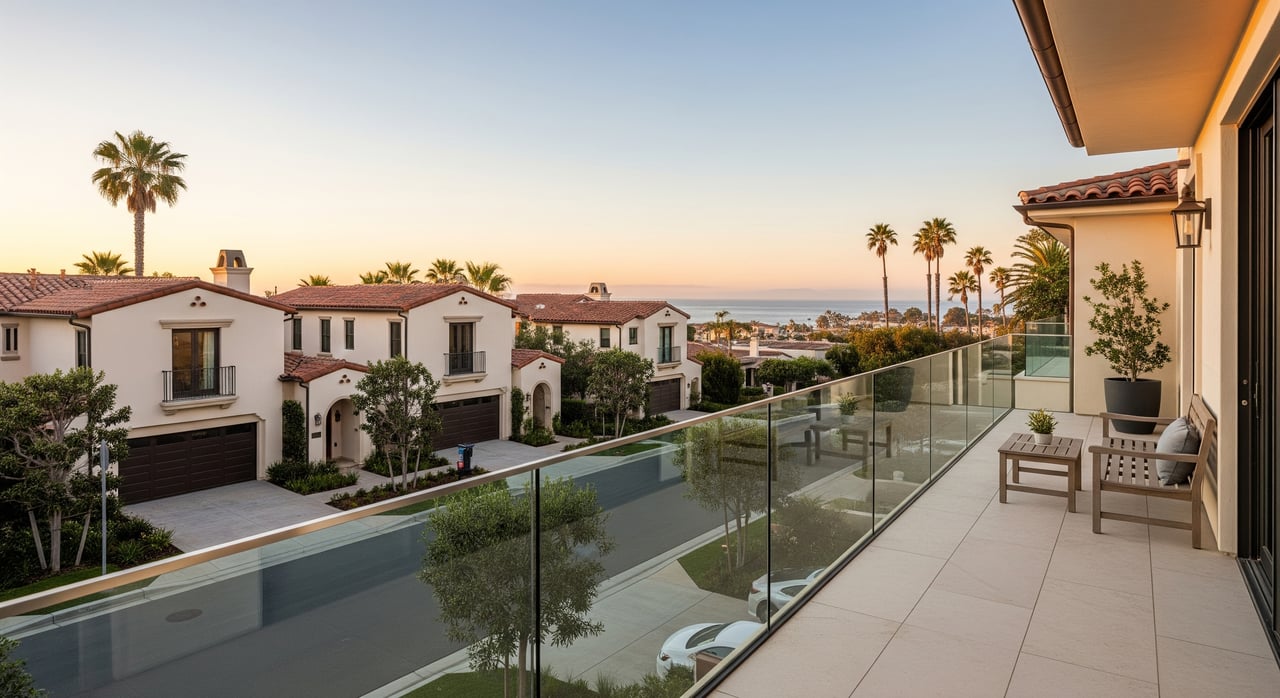
Choose a gated or club environment if you prioritize privacy and a cohesive look with amenity access. Make sure to understand what the HOA covers, whether club privileges require separate fees, and the community’s design guidelines if you plan changes.
Equestrian and acreage living
What you get
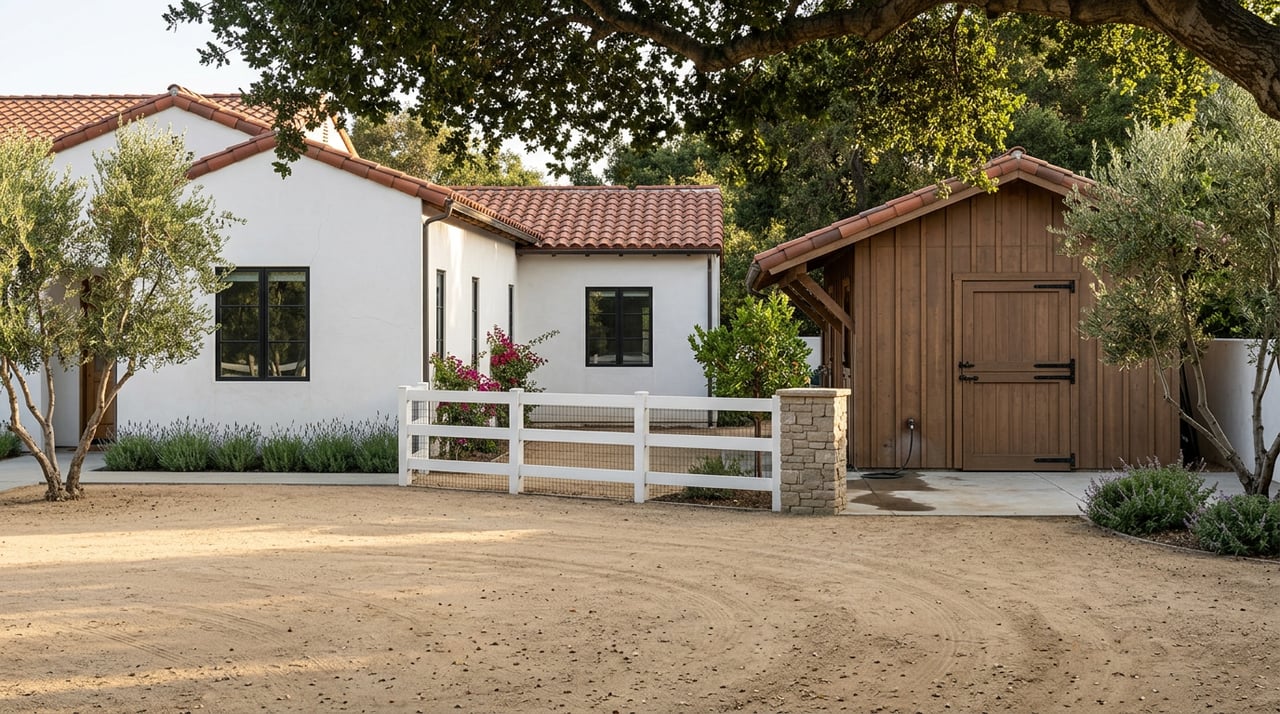
San Juan Capistrano has a deep equestrian tradition. Larger-lot pockets around Ortega, Hilltop, and Mission Hills offer ranch-style homes, barns, paddocks, and direct trail connections. Local facilities such as the Ortega Equestrian Center and private stables support day-to-day riding and training.
Due diligence and risk maps
Acreage often brings higher maintenance, utilities, and insurance costs. Confirm zoning and permitted uses before assuming horse operations are allowed, including the number of animals and any required permits for arenas or accessory structures. Some hillside parcels fall within updated Fire Hazard Severity Zones, which can affect building code requirements and insurance premiums. The city’s page on Fire Hazard Severity Zones explains the new maps and how to check your parcel.
If you are looking near the San Juan Creek corridor, review floodplain status and related insurance considerations. The city’s Floodplain Management Regulations page points to FEMA maps and local guidance.
Commute, transit, and mobility
Rail options from the historic depot
The historic depot serves Amtrak’s Pacific Surfliner with multiple daily trains and has limited Metrolink service. The station sits directly across from Los Rios, so you can walk to it from the historic neighborhoods. Service frequency is lower than in denser hubs, but trains can be practical for some commutes to Irvine or Anaheim depending on departure times. For context and history on the station, see this profile from Culture OC.
Driving patterns
Highway access centers on I-5 and CA-74 (Ortega Highway). Depending on traffic and your exact origin, drives to central Orange County job centers can range from about 20 to 60 minutes or more. The U.S. Census estimates San Juan Capistrano’s mean travel time to work at roughly 27 minutes. Your experience will vary based on route and peak windows, so use live traffic to test your typical schedule.
Trails and beach access
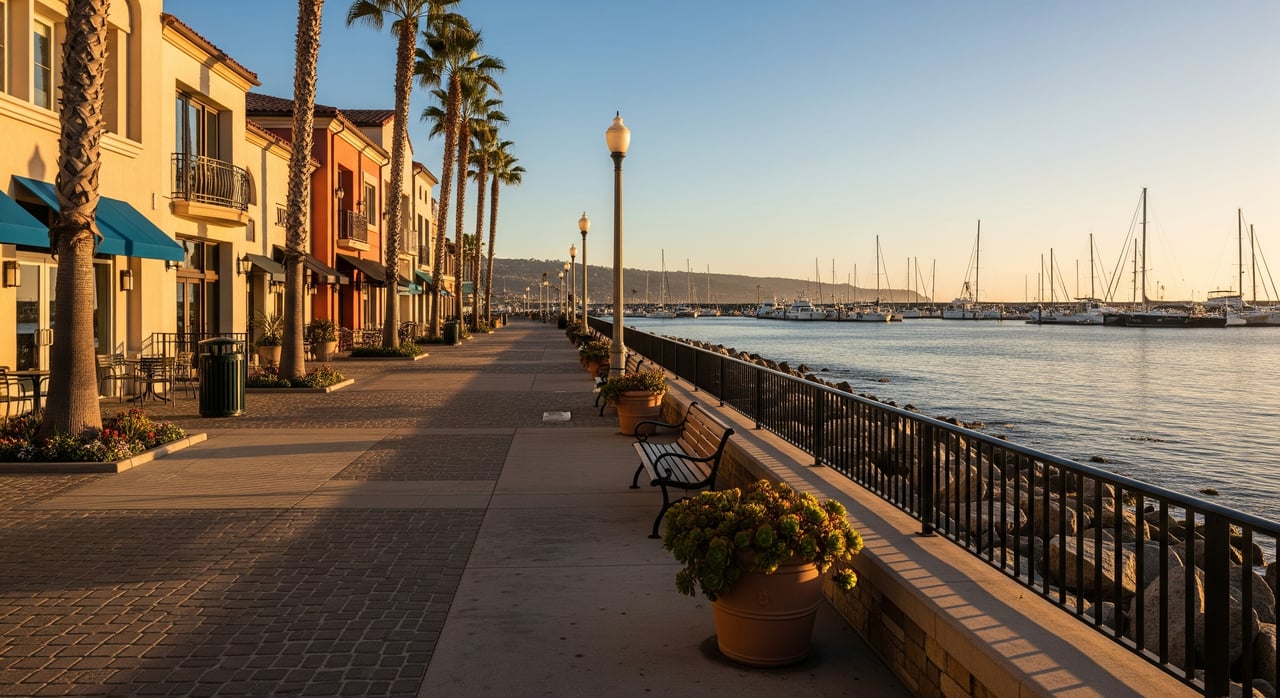
The paved San Juan Creek Trail links downtown to Doheny State Beach in Dana Point in about 5 to 6 miles. It is a favorite for weekend rides and offers a car-free way to reach the coast. Preview the route on TrailLink’s San Juan Creek Trail page. Dana Point’s harbor and beaches are also a short drive from central San Juan Capistrano.
Market and price context
Market aggregators have shown 92675 medians in a band around roughly 1.2 to 1.7 million dollars. For reference, one snapshot placed the 92675 median near 1.39 million in October 2025, while another city-level index was about 1.29 million as of January 31, 2026. Always rely on the latest MLS comps for neighborhood-specific pricing at the time you shop.
Within the historic core, small restored cottages, adobes, and mixed-use buildings can command premium pricing per square foot due to location and scarcity. Country club and gated tracts see values vary by lot size, customization, and condition. Master-planned products in adjacent RMV range from townhomes to single-family homes and offer price points that reflect new construction and amenity sets, with monthly costs influenced by layered HOAs and CFD taxes.
Key tradeoffs at a glance
- Historic core: walkable and character-rich, with small lots, tourist activity on event days, and historic review for exterior work.
- Master-planned (RMV and similar): newer homes, amenities, and community programming, with layered HOA dues and Mello-Roos/CFD taxes that increase monthly carry.
- Gated and club enclaves: privacy and amenities at a premium, with HOA dues and optional club memberships.
- Equestrian/acreage: land, privacy, and trail access balanced by higher maintenance, potential wildfire mapping impacts, and permitting details for horse facilities.
Buyer due diligence checklist
Use this quick list to compare homes confidently. Ask your agent and escrow team to help you collect and verify documents.
- Pricing comps: confirm the latest neighborhood comps and the current zip-level median at the time you shop.
- Taxes and dues: request the seller’s most recent property tax bill and HOA documents. Check for Mello-Roos/CFD lines and all HOA assessments. For RMV, review builder disclosures and the RMV FAQ for how CFD works.
- Historic homes: plan specialty inspections for structural and seismic items, roof and clay tiles, plumbing and electrical, pest or dry rot, and hazardous materials where relevant. Understand when city historic review applies by visiting the city’s IHCL page. For more on historic-home inspection focus, see this overview of common checks for older properties from Sadrigroup.
- Equestrian parcels: verify zoning, permitted horse counts, manure and drainage plans, well or septic capacity if present, and access for trailers and emergency vehicles. Local centers like the Ortega Equestrian Center reflect the active riding community.
- Wildfire and flood maps: check your parcel on the city’s Fire Hazard Severity Zones page and review FEMA status via the city’s Floodplain Management page. Get insurance quotes early if the parcel falls in higher-risk zones.
- Transit and noise: if you are sensitive to rail noise, measure your distance to the station and visit at different times of day. For a station overview, see Culture OC’s station profile.
How to choose your fit
Start with lifestyle. If daily coffee walks and weekend festivals bring you joy, the historic core near the Mission might be your sweet spot. If you want a resort-like amenity rhythm with newer systems and shared maintenance, look at RMV and similar planned neighborhoods. If privacy and a clubhouse lifestyle top your list, explore guard-gated enclaves. If horses, barns, and acreage define your dream, focus on the hillside and Ortega-adjacent pockets.
Next, translate lifestyle to monthly costs. Build a line-item budget for taxes, HOA dues, CFD assessments, insurance, utilities, and routine upkeep. Small lots in older areas can mean less yard care but more renovation planning. Large lots and equestrian amenities often add maintenance and insurance. Master-planned homes layer in HOAs and CFD taxes, while gated enclaves add dues and optional memberships.
Finally, pressure test the choice with time-on-the-ground. Tour during weekdays and weekend events. Drive your commute at peak. Ride the San Juan Creek Trail to the coast. Ask for seller disclosures, HOA docs, and tax bills early. The more you map the real daily experience, the more confident your decision will feel.
Ready to compare real homes side by side and run the numbers with a local pro? Reach out to Michelle Bakkedahl for tailored guidance and on-the-ground insight.
FAQs
What is the main difference between historic and master-planned areas in San Juan Capistrano?
- The historic core offers walkability, character homes, and event energy near the Mission, while master-planned areas like RMV provide newer construction, amenities, and layered HOA and Mello-Roos costs.
How do Mello-Roos taxes affect monthly costs in Rancho Mission Viejo?
- Mello-Roos (CFD) adds a parcel-specific line to your property tax bill and can raise the total tax rate to around 1.8 to 2.0 percent in many RMV neighborhoods; verify exact amounts in builder disclosures and tax bills.
Are there special rules for remodeling a home in the Los Rios historic area?
- Yes. Designated properties may require city historic review for exterior work, which can add steps and timelines; review the city’s IHCL process before planning changes.
How does wildfire mapping impact buying in 92675?
- Parcels in High or Very High Fire Hazard Severity Zones can face stricter building standards and insurance hurdles; check the city’s FHSZ map and get insurer quotes early.
Can I realistically commute by train from the San Juan Capistrano depot?
- Many residents use the Amtrak Pacific Surfliner and limited Metrolink runs for certain schedules; check current timetables to confirm departure and return times that fit your workday.
What should equestrian buyers verify before offering on acreage?
- Confirm zoning and allowed horse counts, permits for barns or arenas, manure and drainage plans, and access for trailers and emergency vehicles, plus insurance in wildfire-mapped areas.