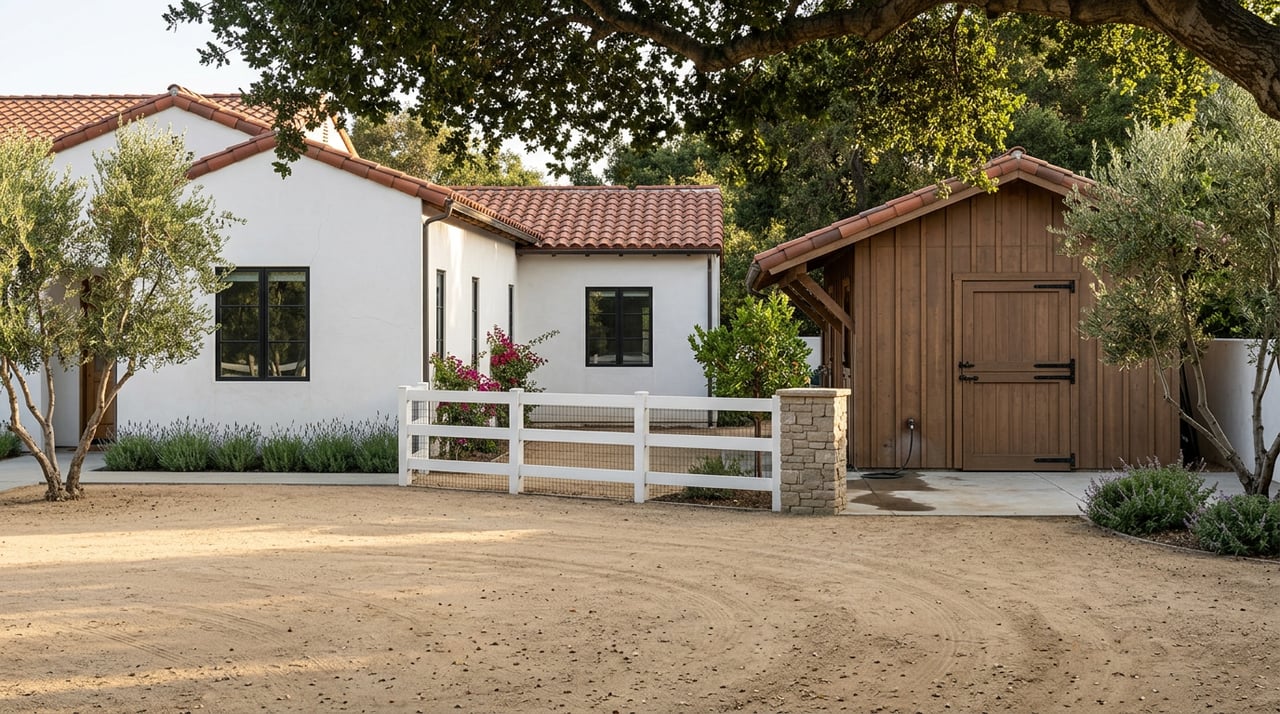
Craving more room to breathe, ride, and live outdoors without leaving South Orange County? If you love the idea of trail access, space for a barn, and a coastal climate, San Juan Capistrano can deliver a true horse-friendly lifestyle. You also want a clear plan for zoning, permits, and upkeep before you buy. In this guide, you’ll learn what to expect in 92675, from neighborhoods and rules to budget and resale insights. Let’s dive in.
Why San Juan Capistrano works for horse owners
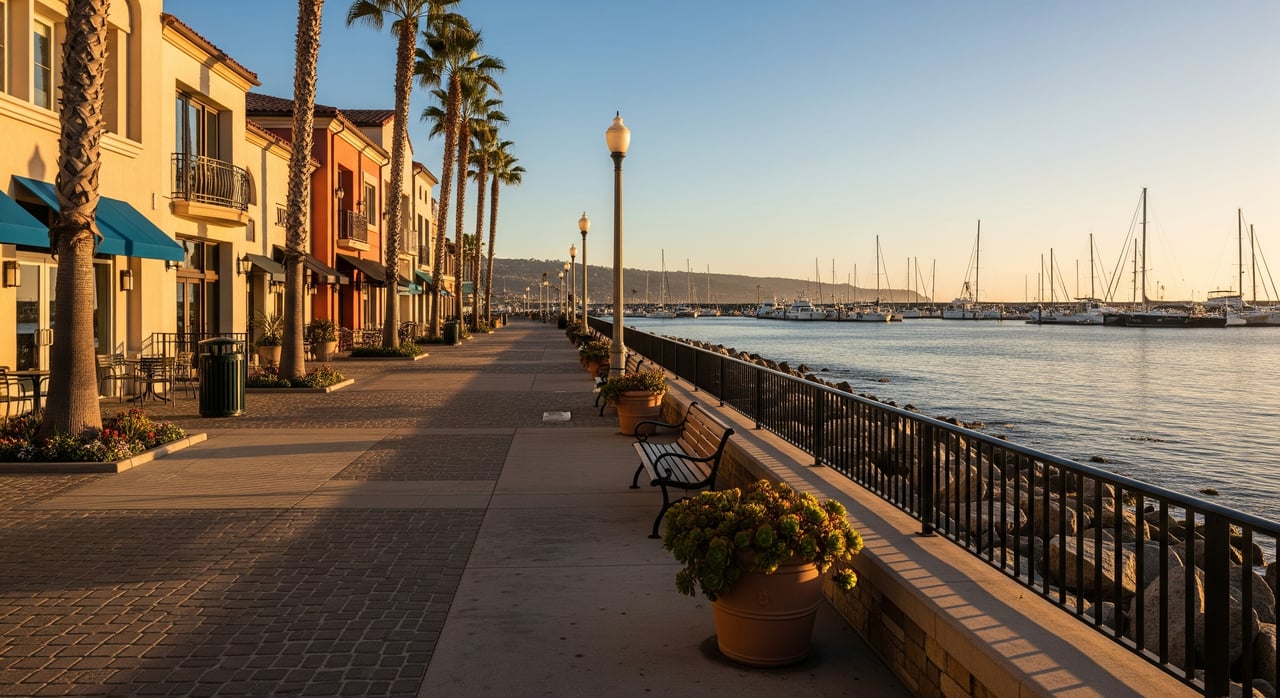
San Juan Capistrano has a long equestrian identity, with a connected trail network, multiple boarding and training centers, and major event venues that support a vibrant community. The Rancho Mission Viejo Riding Park anchors larger shows and keeps equine culture visible and active. You get this lifestyle while staying close to beaches, I-5, and Metrolink, which makes daily life and commuting practical.
What the law allows in 92675
Zoning basics to confirm
Equines are permitted in specific residential and agriculture-related districts within the City of San Juan Capistrano. These include Residential/Agriculture zones, portions of Single-Family and Hillside districts, and certain Planned Communities that provide equestrian amenities. Always verify whether a parcel is inside city limits or in unincorporated county, because the rule set can change.
How many horses per property
Allowable horses are tied to lot size and the amount of flat, usable area. The municipal code sets a minimum flat area for the first horse and additional flat area for each added horse. There are thresholds that trigger a conditional use permit when you exceed certain counts. A mare with foal may count differently than two separate horses. Because this is parcel-specific, confirm the exact numbers for the property you are considering before you write an offer.
Setbacks, fencing, and structures
Stalls, paddocks, and exercise areas must meet front, side, and rear setbacks. Perimeter fences also have minimum height and allowed materials, and equestrian accessory structures have appearance standards, including roof materials. Plan for a formal review of site layout and any new structures.
Permits, grading, and improvements
Barns, arenas, significant new fencing, arena lighting, and septic or wastewater work often require building permits. Some projects may also require review by outside agencies, such as the local water district for tie-ins. The City’s Building Division enforces state Building Codes and may require in-person plan submittals. If an HOA applies, gather approvals early and build timelines into your budget.
Commercial vs noncommercial activity
Noncommercial residential stables follow one set of rules. Commercial boarding or training facilities face additional health, environmental, and stormwater controls, as well as possible emergency plans and periodic reporting. Local upgrades and legal actions around large venues highlight that runoff and manure management are taken seriously in San Juan Capistrano.
Neighborhoods and property types
Mission Hills Ranch
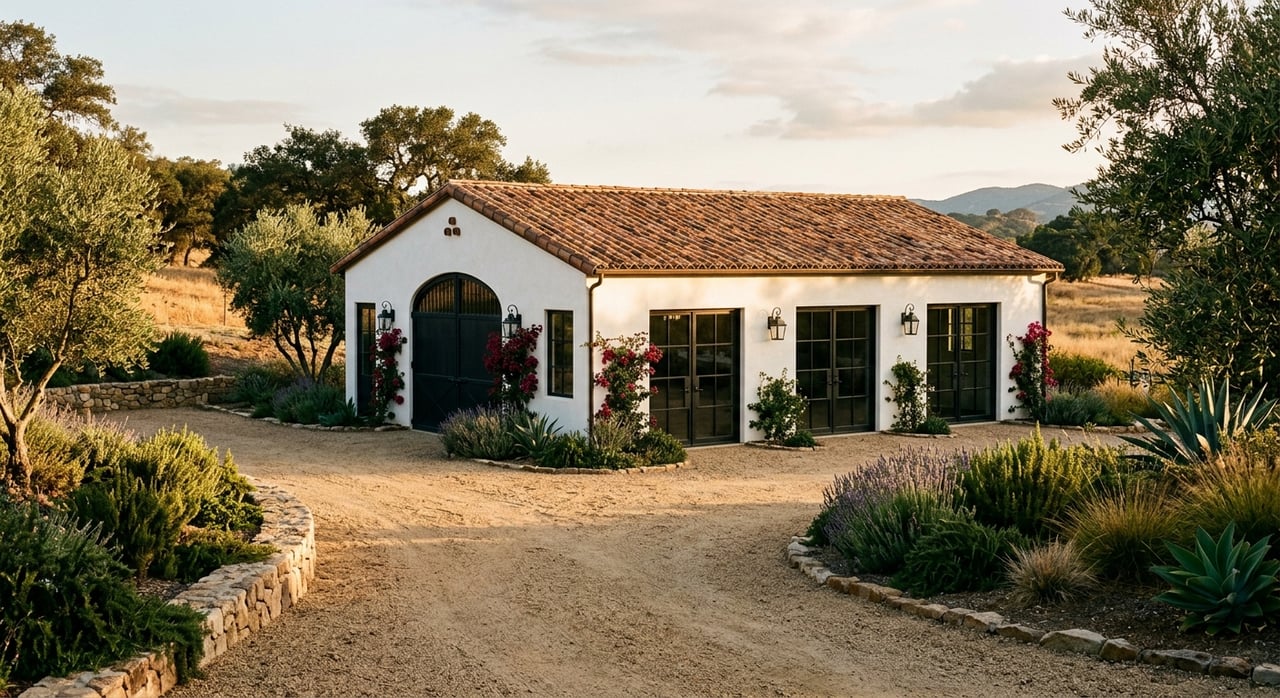
An equestrian-oriented enclave with private stables and trail access. You’ll see roughly three-quarter to one-plus acre lots, with many homes offering barns, paddocks, and HOA-managed amenities. Listings often mention direct trail connectivity.
Hunt Club
A guarded, gated community of luxury estates on larger lots, many around an acre or more. Trails and private riding opportunities are common highlights. Buyers come here for privacy and a refined equestrian setting with HOA oversight.
Stoneridge Estates
Hillside equestrian estates with larger parcels, panoramic views, and room for private facilities. City trail planning and local listings frequently identify Stoneridge as equestrian-friendly, which helps with long-term lifestyle value.
The Oaks Farms and Ortega corridor
Gated estates and select multi-acre parcels sit along the Ortega Highway corridor. The area has a deep equestrian heritage and proximity to major show venues. You can find properties with upgraded barns and well-planned trailer access.
Keep horses at home or board?
How to decide
- Time and skill. Daily care, feeding, turnout, and health checks require consistency. If you ride infrequently or want less daily responsibility, boarding may be a better fit.
- Capital and operating cost. Building or upgrading a barn, paddocks, and an arena requires upfront investment plus ongoing maintenance and insurance. Boarding shifts some of that cost to monthly fees.
- Riding goals. Competitive riders or owners who want full control of care often prefer home setups. Recreational riders frequently choose to board.
Local boarding options
San Juan Capistrano offers multiple full-service boarding and training centers, plus a major show venue that supports clinics and events. Facilities range from full-care programs to training-focused barns and self-care options. Call ahead for current availability and services.
Cost planning
Industry reporting shows wide cost ranges. A single horse in a basic, low-intensity scenario often lands in the mid-thousands per year, while competitive programs can reach into the tens of thousands annually. Boarding is a major driver and varies by facility and service level. Expect many Orange County barns to price above national averages due to land and amenity costs, and confirm local numbers directly with each stable.
Maintenance and daily reality
- Fencing. Check rail safety, post condition, spacing, and compliance with city fence standards.
- Barn and stalls. Verify ventilation, drainage, and roof materials that meet local rules.
- Pasture and usable area. Ensure the flat, usable area supports the number of horses you plan to keep.
- Water and wastewater. If there is a septic system, get a certified inspection. If tying into public mains, confirm permit steps with the local water district and the City.
- Arena footing and drainage. Inspect base, grading, and any lighting. Confirm permits for installed lighting or grading work.
- Manure management. Have a storage or compost plan and confirm best practices for stormwater and runoff.
- Fire planning. Review evacuation routes, trailer access, and defensible space.
Environmental and water-quality factors
Manure storage and runoff control are high priorities in San Juan Capistrano. Local water-quality oversight, including actions related to major venues, has led to upgrades and stricter attention to stormwater best practices. Expect to address drainage, containment, and routine waste handling in both design and operations, especially for larger or commercial-scale setups.
Market and resale insights
Equestrian properties attract a more targeted buyer pool, which can mean longer market times compared to tract homes. That said, high-quality horse properties with trail access and documented, permitted improvements often command premiums and hold value well. Items that matter most to appraisers and buyers include legal compliance, permits for barns and arenas, water and waste systems in good order, HOA restrictions where applicable, and proximity to riding parks and active stables.
Buyer due-diligence checklist
- Confirm jurisdiction and zoning. Ask the City to identify the exact zoning district and compare it to municipal allowances for equines.
- Request documentation. Get permits, as-built plans, and any legal nonconforming use letters from the seller.
- Review HOA and CC&Rs. Confirm any rules related to keeping equines or building facilities.
- Inspect facilities. Engage a qualified equine professional to evaluate stalls, paddocks, footing, drainage, and safety.
- Verify water and wastewater. Check septic status or public tie-ins and any required permits.
- Review manure and stormwater practices. Ask about storage, hauling, and any required best management practices.
- Price out improvements. Get at least three estimates for fencing, barn work, arenas, or grading you plan to add.
- Pull relevant comps. Work with a local MLS agent who regularly handles acreage and equestrian properties.
Local tax note
Do not expect agricultural property tax reductions tied to the Williamson Act in Orange County. County-level planning documentation shows Orange County has effectively no contracted lands under that program.
Next steps
If you are ready to explore equestrian and acreage homes in 92675, you want an agent who knows the neighborhoods, rules, and the reality of owning horses at home. For personalized guidance, local comps, and a clear plan from search to close, reach out to Michelle Bakkedahl. She will help you find the right property and navigate the details with confidence.
FAQs
What zoning allows horses in San Juan Capistrano 92675?
- Equines are allowed in designated residential and agriculture-related districts, plus certain planned communities with equestrian amenities. Always verify a parcel’s exact zoning and whether it is inside city or county jurisdiction before you buy.
Do I need permits to build a barn or arena in San Juan Capistrano?
- Yes, most barns, arenas, significant fencing, lighting, and septic or wastewater work require building permits and plan review. Some projects may also involve the local water district, so start with the City’s Building Division early.
How many horses can I keep on one acre in San Juan Capistrano?
- It depends on your lot’s zoning and the amount of flat, usable area. The municipal code sets specific flat-area minimums and thresholds that can trigger a conditional use permit, so confirm the exact allowance for your parcel.
Are there equestrian neighborhoods with trail access in San Juan Capistrano?
- Yes. Mission Hills Ranch, Hunt Club, Stoneridge Estates, and select Ortega Highway corridor communities commonly feature trail connections and private facilities. Verify HOA and parcel rules before you proceed.
What should I budget to board a horse in South Orange County?
- Costs vary widely by facility and services. National reporting shows mid-thousands per year for basic care, while competitive programs can run much higher. Many Orange County barns price above national averages, so call local stables for current rates.
How do water-quality rules affect private barns in 92675?
- Expect to manage manure storage and stormwater runoff with best practices. Local oversight and recent improvements at major venues show that compliance matters and can influence design and daily operations.
Are there agricultural tax breaks like the Williamson Act in Orange County?
- No. Orange County has effectively no Williamson Act contracted lands, so buyers should not expect tax reductions tied to that program.