Writing an offer in San Clemente can move fast, especially near the coast. You want to stay competitive without taking on more risk than you need. The right contingency strategy can help you do both.
In this guide, you’ll learn how inspection, loan, appraisal, and HOA contingencies work in California, what local patterns to expect in San Clemente, and how to set timelines that sellers respect while protecting your deposit. Let’s dive in.
What contingencies do for you
Contingencies give you time to verify the home’s condition and your financing. If something material changes or an issue is unacceptable, you can cancel within the contingency window and typically recover your deposit.
The Residential Purchase Agreement used in California lets you set specific periods for each contingency. Shorter windows can strengthen your offer, but they also require quick action once you are in escrow.
Key contingencies in California offers
Inspection contingency
- Purpose: Gives you time to inspect the home, review seller disclosures, permits, and HOA documents, then decide to proceed, negotiate repairs or credits, or cancel.
- Practice: Common inspections include general home, roof, pest, HVAC, and extras like structural, pool, or geotechnical when needed. Sellers can agree to repairs, offer a credit, or decline. You can cancel within the timeline if you are not comfortable.
Loan or financing contingency
- Purpose: Protects you if your lender cannot approve your loan by the deadline.
- Practice: You’ll usually include a full pre-approval with your offer, then work toward a formal loan commitment during escrow.
Appraisal contingency
- Purpose: Protects you if the property appraises below the contract price. Lenders lend based on the lower of purchase price or appraised value.
- Practice: If the appraisal is low, you can renegotiate, bring the difference in cash, seek a reconsideration, or cancel if your appraisal contingency is in place.
Sale-of-home contingency
- Purpose: Used if you need proceeds from your current home to close.
- Practice: In competitive areas, sellers often push back on this contingency or ask to shorten it. Alternatives include bridge financing or setting firm dates.
Title and HOA document review
- Purpose: Lets you review the preliminary title report, CC&Rs, HOA financials, rules, and meeting minutes. You can cancel if there are unacceptable issues, like certain restrictions or pending special assessments.
Other protections you might see
- Termite or pest repair terms, septic or drainage checks, lead-based paint disclosures for older homes, and program-specific items for VA or FHA financing.
How this plays out in San Clemente
Coastal listings with high demand
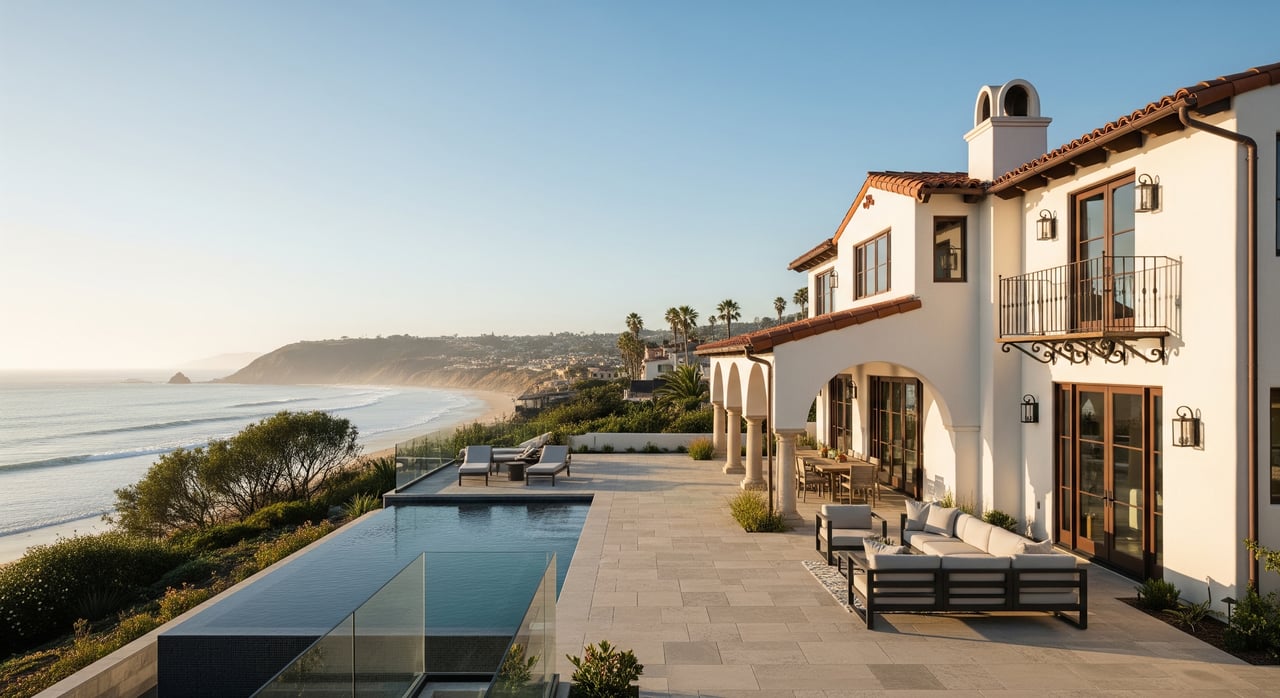
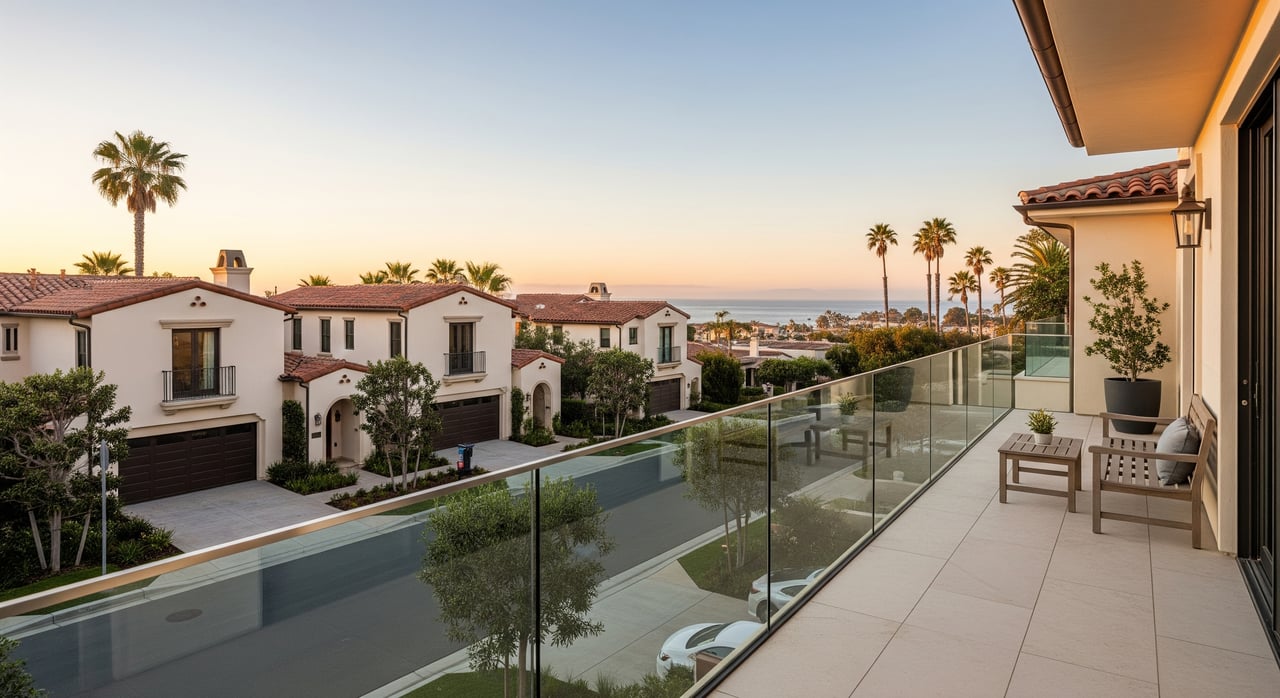
Coastal homes and bluff properties often draw multiple offers within days. Sellers tend to favor shorter inspection periods, appraisal protection that is limited or removed, and strong earnest money deposits. You can compete by shortening timelines while keeping essential protections.
Newer or inland communities
Neighborhoods like Talega and Forster Ranch can be more balanced than the bluffs, though still competitive. Standard contingency windows are often acceptable, but shorter timelines and clean financing terms still help your offer stand out.
Condos near the beach and downtown
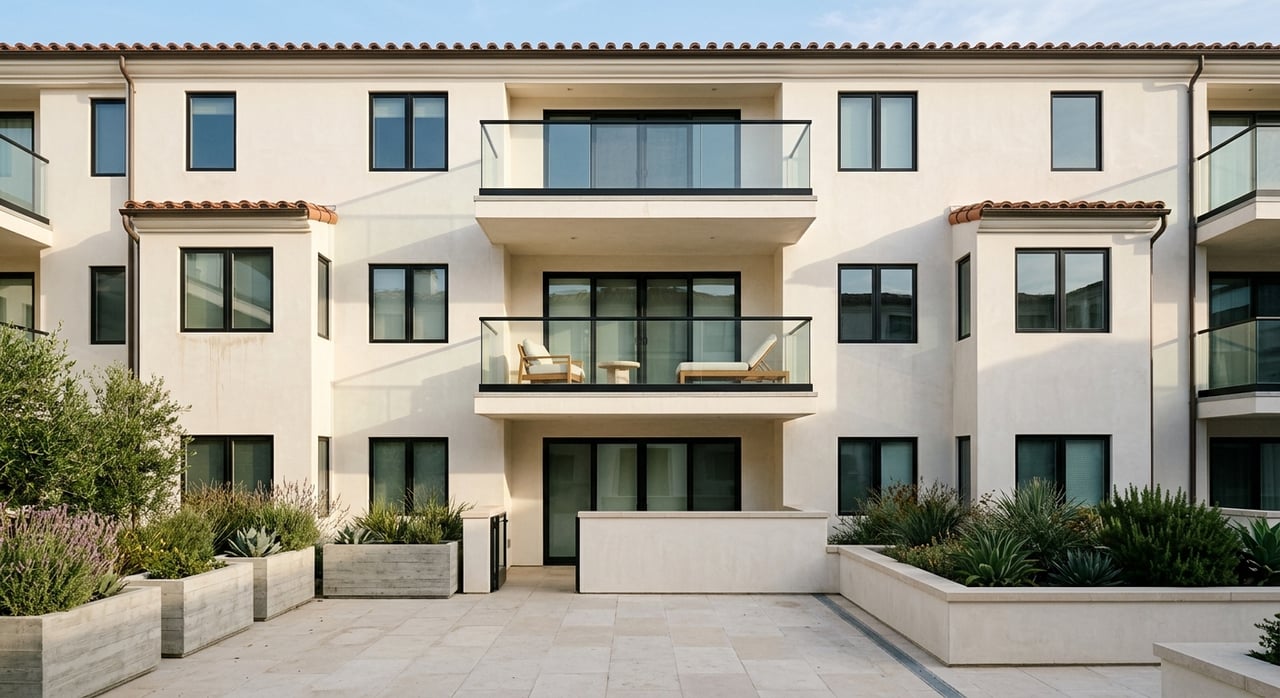
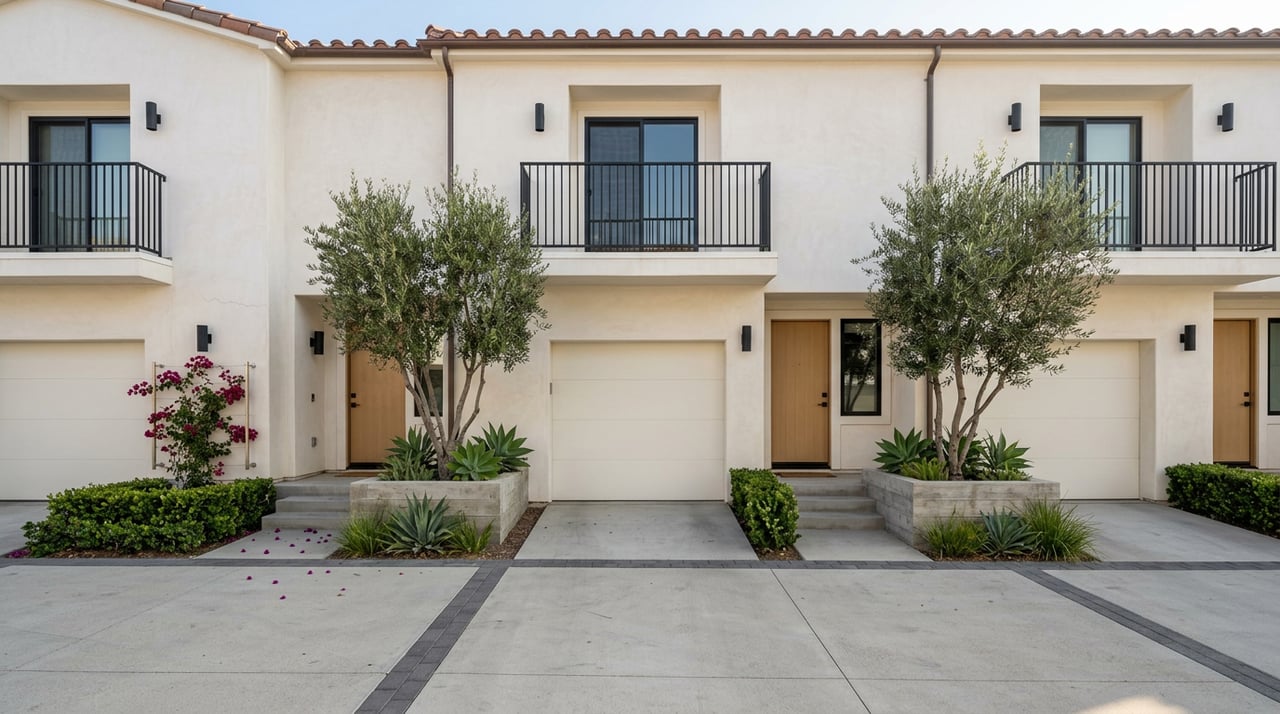
For condos, HOA review is critical. Reserve levels, rules, and any litigation can affect both your approval and your comfort level. Lenders also have specific condo underwriting requirements that can influence your loan contingency timeline.
Property-specific due diligence in San Clemente
Coastal and bluff properties
Investigate bluff setbacks, erosion history, and any coastal development permits. Ask about geotechnical reports, seawalls, and any past or pending work related to stabilization. Early insurance checks are important for coastal risk and affordability.
Seismic and structural points
Older cottages may have foundation or soft-story questions. Consider structural or geotechnical inspections as needed during your inspection window.
Hillsides and drainage
On sloped lots or unusual topography, drainage and soils reviews help you understand future maintenance or improvement limits.
Insurance considerations
Coastal, flood, and earthquake insurance can affect both financing and monthly costs. Get quotes early so you are confident before removing contingencies.
Smart timelines and offer examples
Below are common approaches in Orange County. Exact days are negotiated in your contract and depend on the property and competition.
Example A: Competitive coastal offer
- Earnest money deposit: Deliver within 2 business days after acceptance.
- Inspection period: 5 to 7 days. Book inspections within the first 48 to 72 hours.
- Appraisal: Order within 3 to 7 days of loan application. Target results in 7 to 14 days.
- Loan contingency: 21 days, with your lender prioritizing underwriting.
- Closing: 30 to 45 days.
- Risk tradeoff: Short inspections require fast scheduling and may limit specialty inspections. If you remove the appraisal contingency or add gap coverage, be sure you are comfortable with the possible cash exposure.
Example B: Balanced inland offer
- Inspection period: 10 to 14 days.
- Appraisal: Standard lender timelines, often back within about two weeks.
- Loan contingency: 21 to 30 days.
- Closing: 30 to 45 days.
- Benefit: More time for due diligence, while still presenting a clean, timely offer.
Example C: Buying with a sale contingency
- Timeline: Often 30 to 60 days or tied to your home’s close date.
- Market reality: Sellers may counter to shorten or decline this contingency, especially near the coast.
- Alternatives: Bridge financing, firm contingency dates, or offering a short leaseback to the seller to increase flexibility.
Appraisal gap strategies that work
If you love a coastal home but worry about appraisal risk, you can offer a capped appraisal gap. This means you agree to pay up to a certain dollar amount above the appraised value, not unlimited exposure. It signals strength to the seller while protecting your maximum out-of-pocket.
Ways to stay competitive and protected
- Shorten your inspection period instead of waiving it. A 5 to 7 day window can keep you safe while reducing seller downtime.
- Keep your loan contingency but coordinate a shorter approval target with your lender.
- Use a capped appraisal-gap clause rather than fully removing the contingency.
- Request HOA documents and seller disclosures early. Pre-review helps you write a cleaner, faster offer.
- Communicate a clear timeline in your offer. Include lender contact info and be responsive to requests.
What sellers in San Clemente expect
- A real pre-approval, not just prequalification. Ask your lender for a thorough pre-approval with a clear conditions list.
- Proof of funds for your down payment and closing costs.
- Confidence that you will move quickly on inspections, appraisal, and underwriting.
- Backups are common. If you are in a backup position, understand how your contingencies and deposit rights work if the first buyer cancels.
Buyer checklist before you write
- Full lender pre-approval and estimated timeline
- Proof of funds for down payment, closing costs, and any appraisal gap
- A proposed inspection window and inspector contacts ready to schedule
- Clear appraisal contingency or defined gap coverage
- Loan contingency with a realistic target date for approval
- Early HOA document request for condos and townhomes
- For coastal or bluff homes: plan for geotechnical or coastal permit review if needed
Common pitfalls to avoid
- Waiving inspections entirely when specialized reviews are likely needed.
- Overpromising on timelines your lender cannot meet.
- Assuming condo approval will be routine without early HOA and lender reviews.
- Removing appraisal protection without a clear plan for a low appraisal.
Your next step
Contingencies are not one-size-fits-all. They should reflect the property, the competition, and your comfort with risk. If you want help tailoring a strategy for a specific San Clemente home, reach out for local guidance and a clear, action-ready plan.
Connect with Michelle Bakkedahl for a quick strategy session tailored to your goals and timeline.
FAQs
Should I waive the inspection contingency in San Clemente?
- Waiving inspections can help in competitive coastal scenarios, but it increases risk. A common approach is to shorten the inspection period to 5 to 7 days and schedule all inspections immediately.
What if the home appraises below my offer price?
- Lenders lend on the lower of appraised value or purchase price. You can renegotiate, bring cash for the gap, seek a reconsideration with better comps, or cancel if your appraisal contingency is still in place.
How long should my loan contingency be for San Clemente?
- A practical range is about 21 to 30 days, depending on your lender. In multiple-offer situations, consider a shorter timeline only if your lender can meet it.
Are sale-of-home contingencies realistic near the coast?
- They are less attractive in competitive areas. Sellers often counter to remove or shorten them. Consider bridge financing, firm dates, or other ways to minimize uncertainty.
Do I need special inspections for bluff or coastal homes?
- Many buyers order geotechnical, slope, and structural reviews, and they check for coastal development permits or restrictions that may affect future improvements.
Why is HOA document review so important for condos?
- HOA packets can reveal rules, reserves, litigation, or special assessments that impact financing and your ownership experience. Get these documents early and review them within your contingency window.