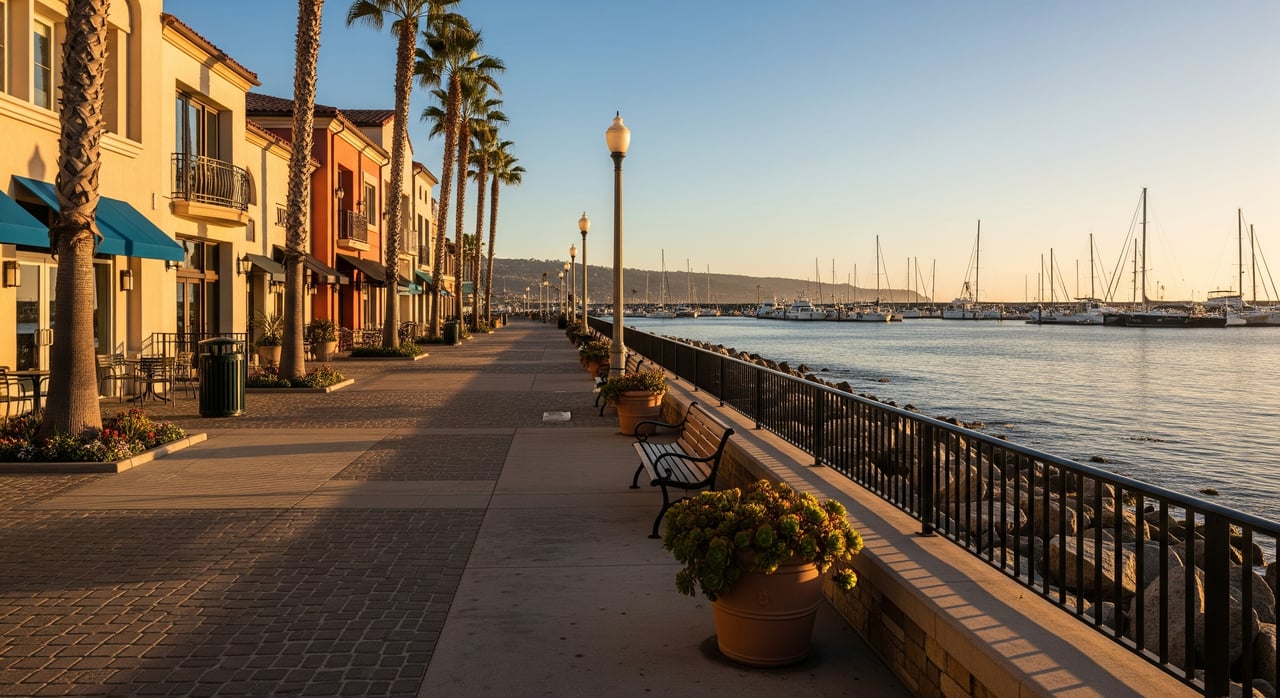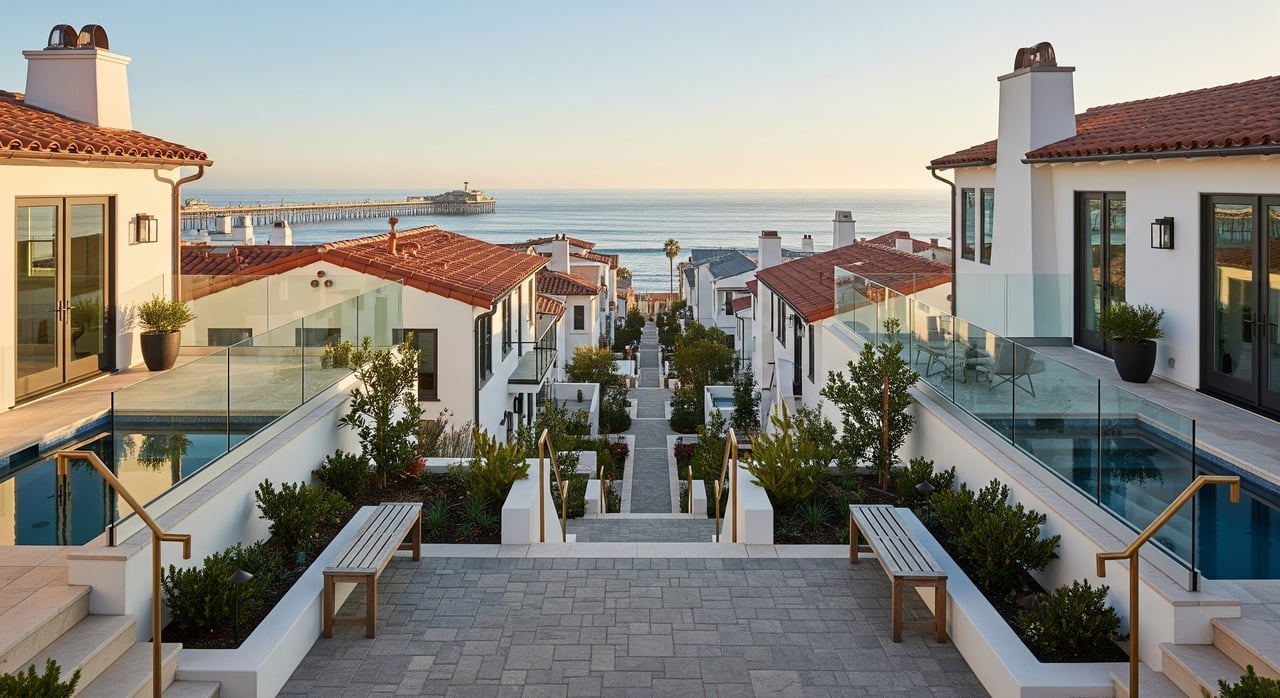
Imagine stepping onto the harbor promenade for coffee while paddleboarders glide past and fishing boats head out at dawn. If you love the idea of ocean air, walkable dining, and easy access to the water, living near Dana Point Harbor can be a great fit. You also want a clear picture of crowds, parking, costs, and daily rhythms before you buy. This guide breaks it all down so you can decide with confidence. Let’s dive in.
Daily life at the harbor
Weekdays feel calm and local. You will see neighbors walking dogs, jogging along the promenade, and grabbing lunch at harbor cafes. Whale‑watch and sportfishing boats operate on regular schedules, and the vibe is relaxed.
Weekends and summers are lively. Visitor traffic picks up, parking fills faster, and there is more activity from dawn to dusk. Expect seasonal spikes during spring and summer, holiday weekends, and major events like the Festival of Whales in March.
Whale‑watching is a year‑round draw. Gray whale season typically runs from December through April, with other species visible at different times of year. That means more boat departures and more on‑the‑water energy during those months.
Neighborhoods and housing nearby
Living close to the harbor can mean different things depending on the street and elevation. Here is what you will find within roughly a mile.
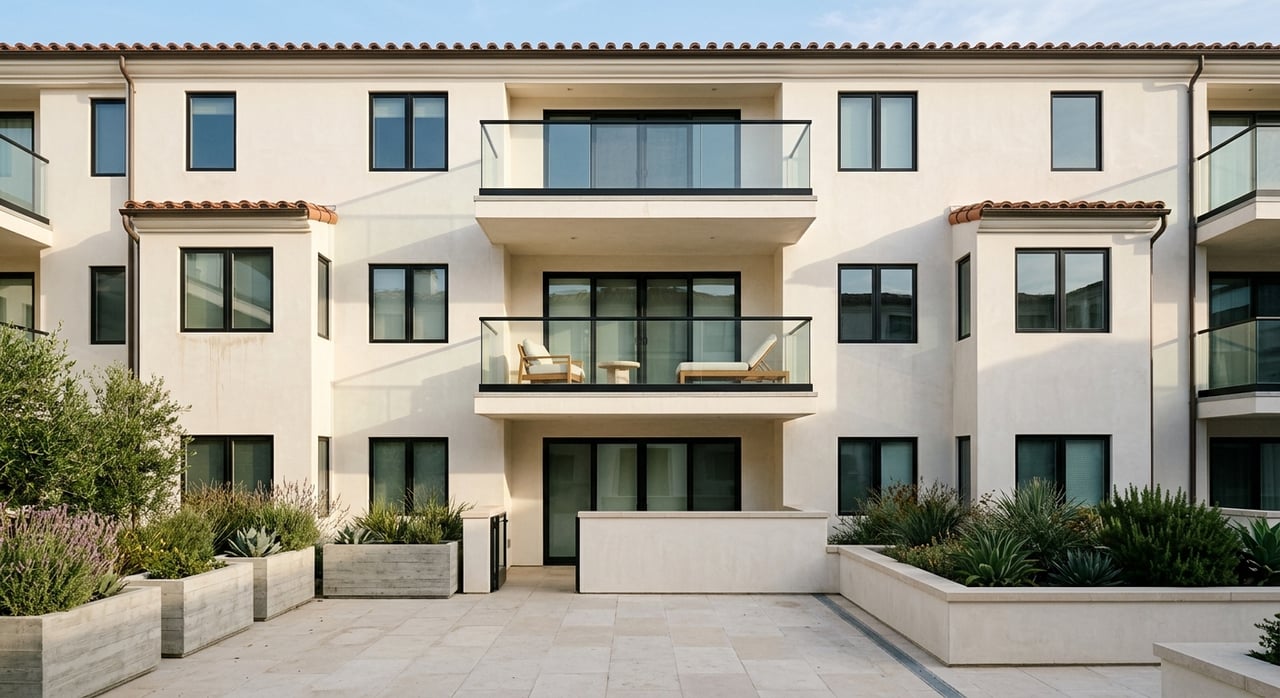
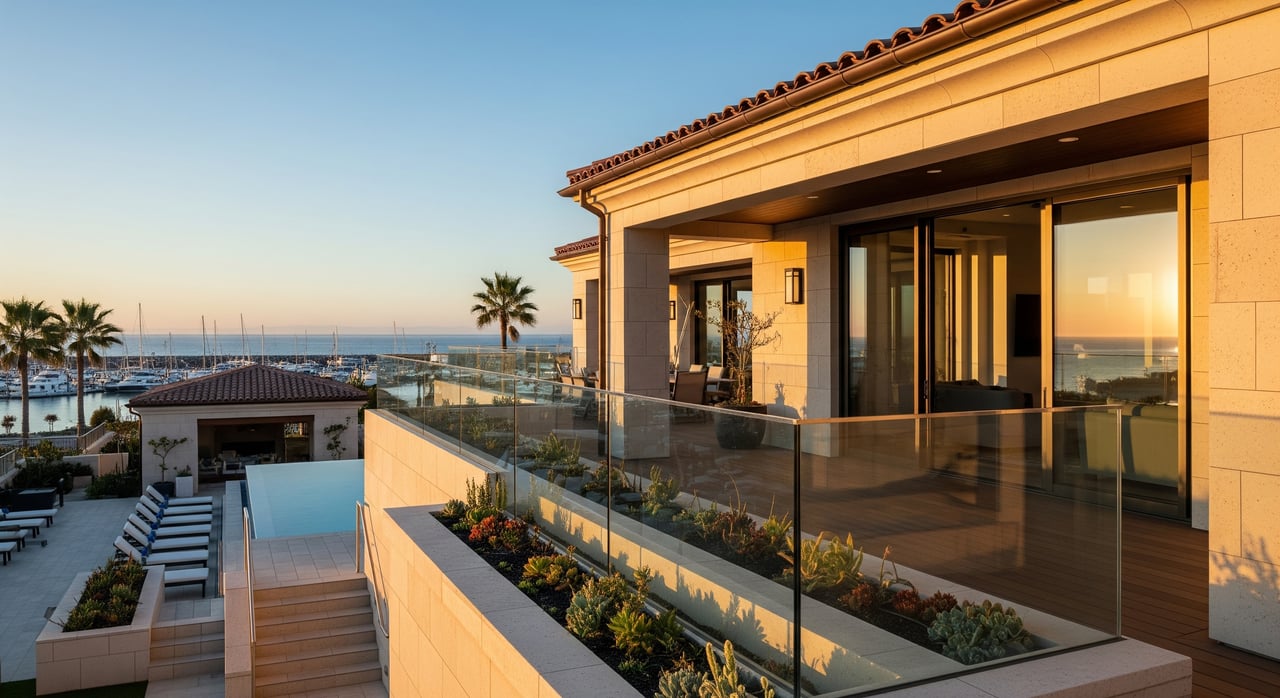
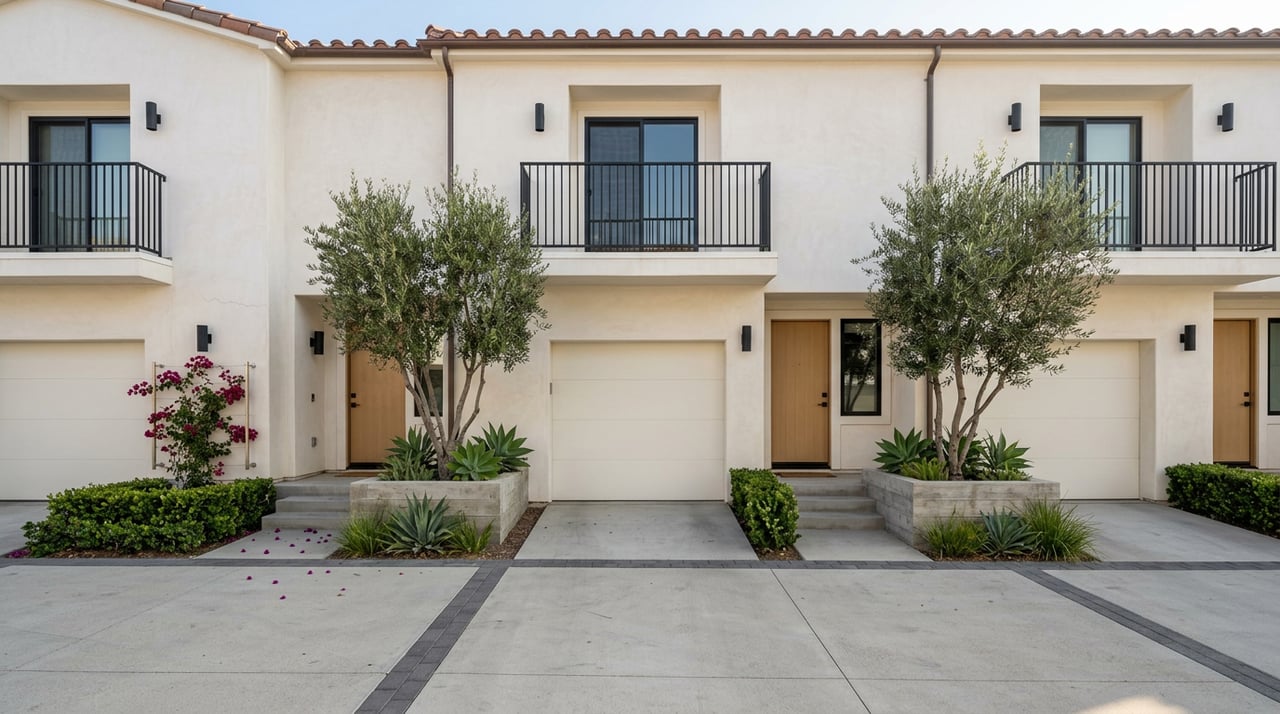
Harbor‑front condos and townhomes
- Immediate access to the promenade, dining, and docks.
- Premium pricing per square foot and monthly HOA dues.
- Assigned parking in many buildings and limited private outdoor space.
Single‑family homes inland of the harbor
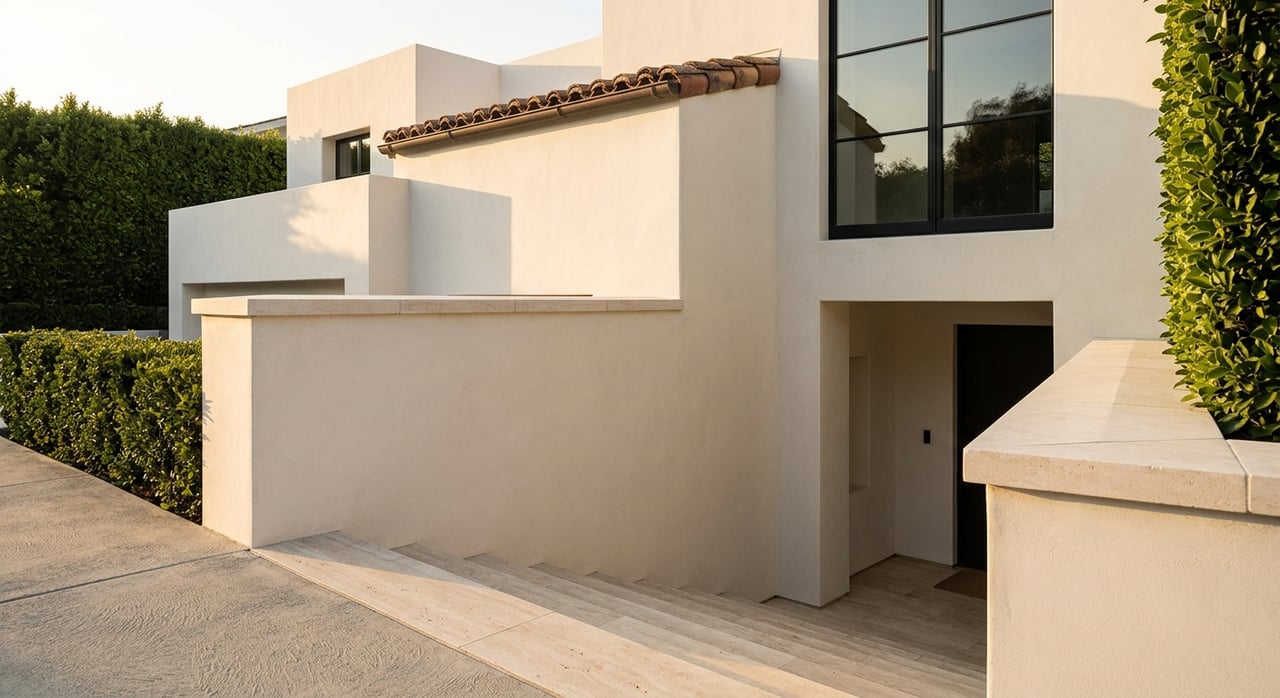
- A mix of older and newer homes on varied lot sizes.
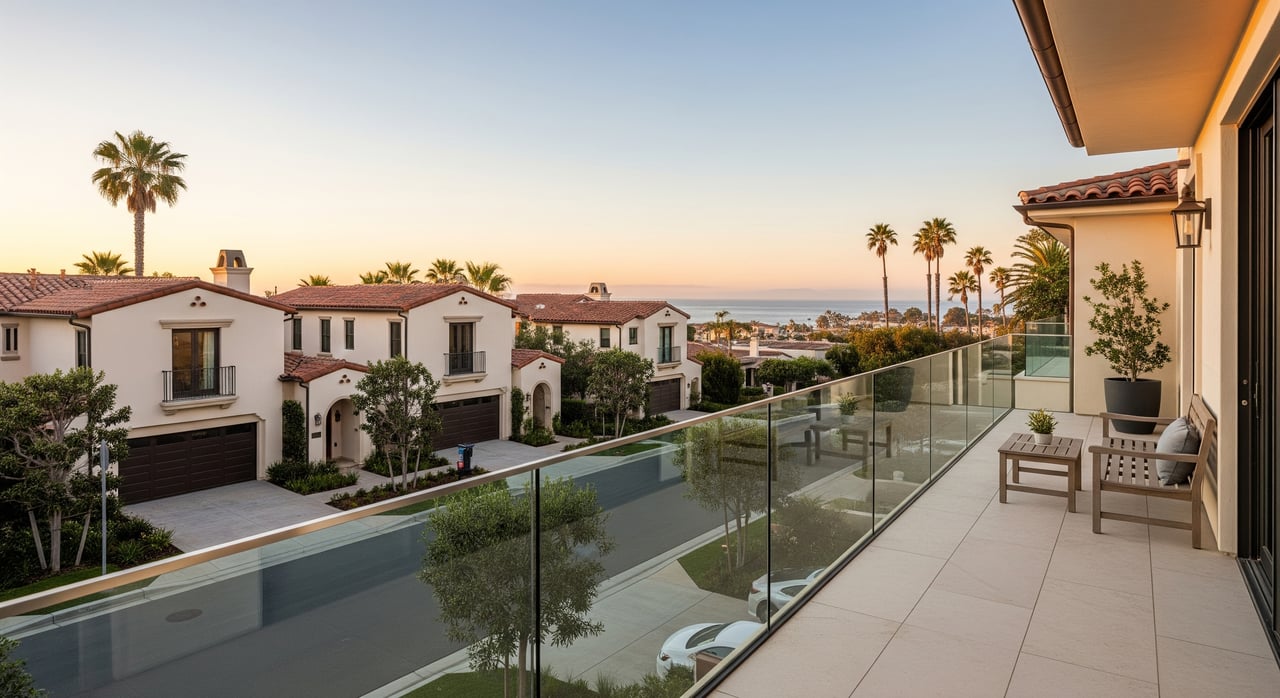
- Elevation changes street by street, with some homes capturing ocean or harbor views.
- Shorter walks on the west side of PCH, with steeper terrain on the headlands.
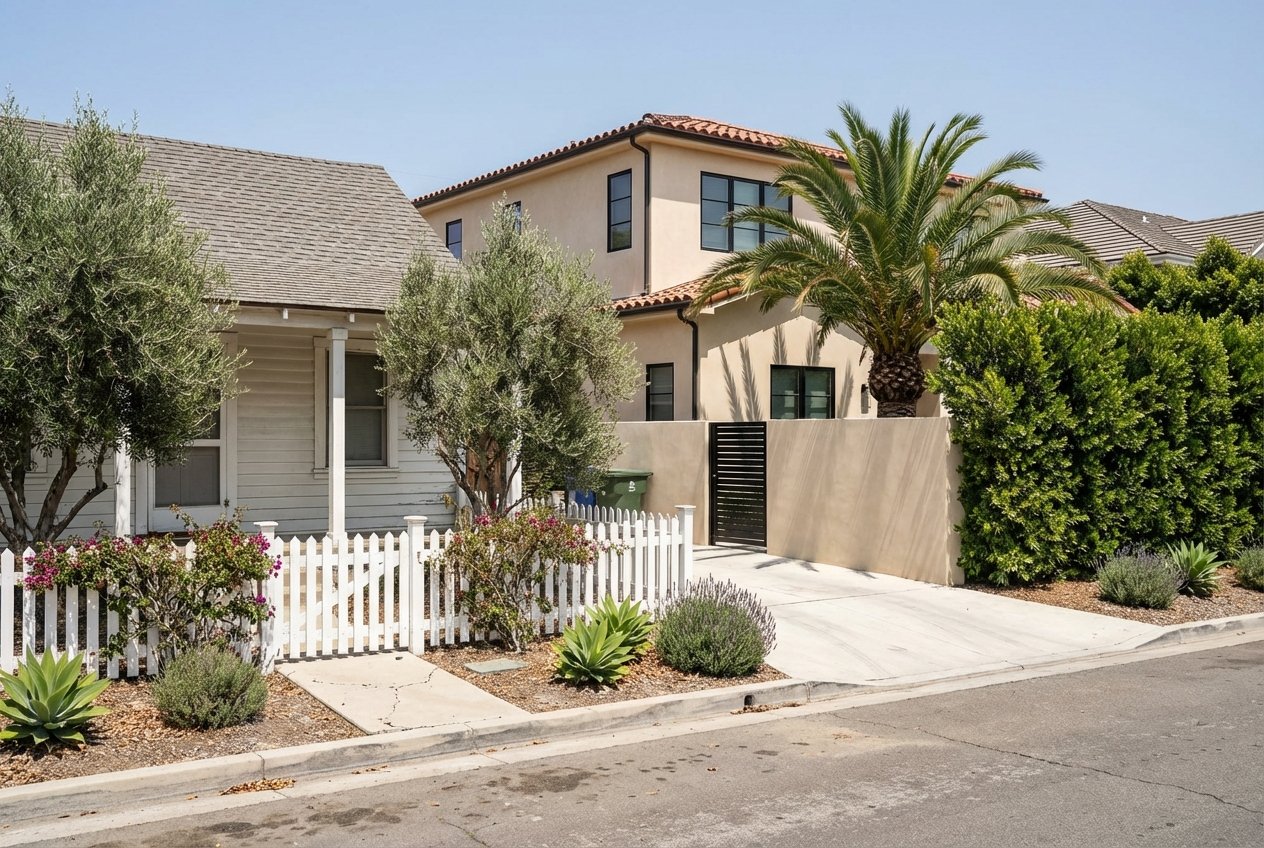
Coastal cottages and duplexes (Doheny/Capistrano Beach)
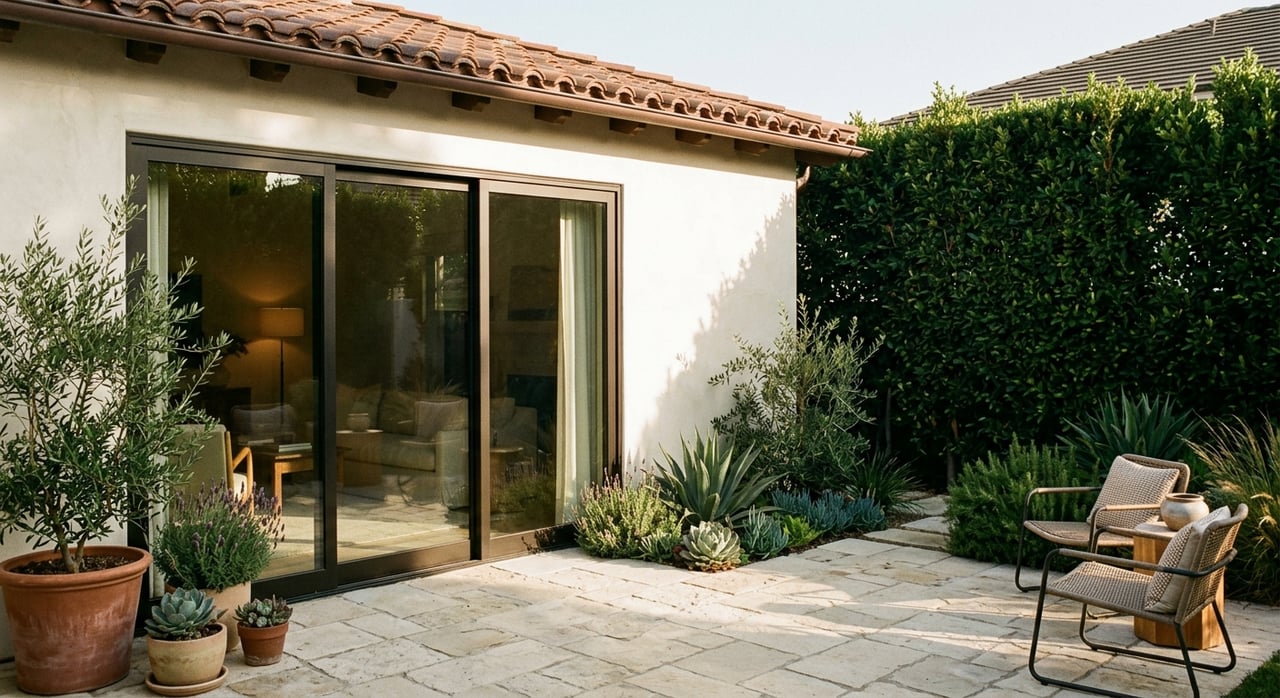
- Smaller footprints with remodel potential.
- Some homes are renovated, while others are candidates for replacement or expansion.
Higher‑end enclaves nearby
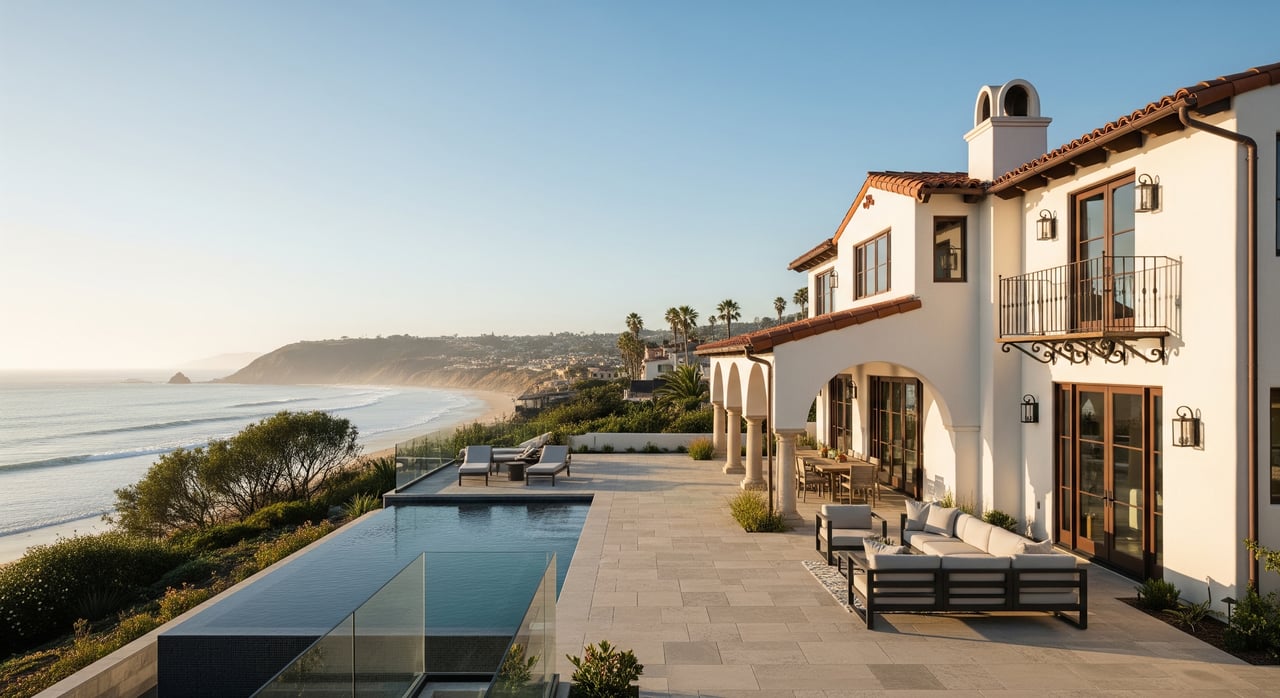
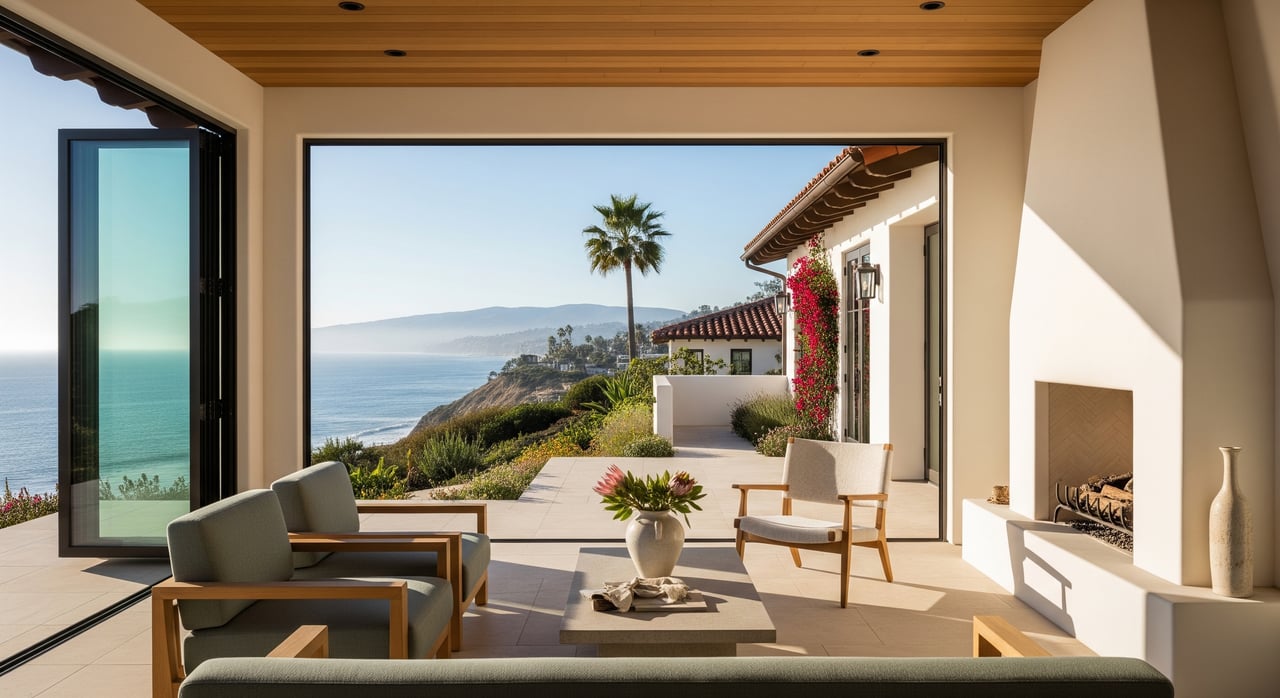
- Neighborhoods like Monarch Beach and Ritz Cove emphasize privacy and resort‑style living.
- Often feature ocean views but are less walkable to the harbor’s commercial strip.
Walkability and access
The harbor area itself is one of Dana Point’s most walkable pockets. You can stroll the linear promenade, reach clustered restaurants and cafes, and use paths to Doheny State Beach. Outside the immediate harbor zone, sidewalks are less consistent and hills are common, so many residents rely on cars or e‑bikes for daily errands.
If daily harbor time is your priority, focus on the promenade area and nearby streets on the west side of PCH for the most convenient access. Homes on the headlands often trade a short walk for bigger views.
Marina access and boating
Dana Point Harbor is an active marina that supports sportfishing, whale‑watching operators, private slips, mooring fields, and a public boat launch. If boating is a priority, plan for the logistics.
- Slips and moorings: Slips are a scarce resource in Southern California. Expect waitlists, fees, and rules that vary by harbor or marina operator. Some residential communities may have separate slip arrangements.
- Seasonal demand: Summer and event weekends increase launch‑ramp congestion and boat traffic. Build extra time into your schedule.
- Costs and care: Budget for slip or mooring fees plus routine maintenance. Vessels closer to the harbor entrance and shore often carry higher costs.
- Rules and safety: Marina rules, environmental guidelines, and safety requirements apply. Check current harbor administration resources for updates on permits, dredging, or construction notices.
Beyond boating, you will see residents paddleboarding, kayaking, shoreline fishing, and heading over to Doheny State Beach for surf and sand.
Everyday amenities and transit
The harbor’s commercial village offers seafood spots, casual eateries, coffee, and small retail. Grocery stores and larger retail are a short drive inland. You also get convenient beach facilities nearby, including restrooms, picnic areas, and lifeguards at Doheny State Beach.
Schools are served by the local district. Assignments vary by property, so verify addresses and distances during your search.
Most errands and commutes are car‑oriented. You will use Pacific Coast Highway and Interstate 5 for regional travel, with the 73 toll road offering faster access north. Public transit is available but limited compared with larger urban centers. Commuter rail and bus routes run in nearby cities, which can work for some schedules. John Wayne Airport (SNA) is the closest major airport.
Trade‑offs to weigh
Living near the harbor offers a distinct lifestyle. It also comes with practical considerations you should plan for.
- Noise and crowds: Expect ups and downs tied to weekends, events, boat engines, and live music at restaurants. Seasonality is predictable.
- Parking: Public and street parking tighten during peak times. Many condos provide assigned spots, but guest parking can be limited.
- Coastal exposure: Salt air accelerates wear on exterior metal, paint, and outdoor systems. Plan for more frequent maintenance.
- Insurance and hazards: Coastal addresses may face higher premiums and special conditions related to flood, storm surge, or erosion. Confirm flood‑zone status and policy options for each property.
- Short‑term rentals: Rules vary by neighborhood and HOA. Regulations have tightened in many coastal areas, so verify policies if rental income is part of your plan.
- Revitalization and projects: Harbor improvements, dredging, or construction can affect noise and access in the short term. Check current project status if timing matters to you.
Is it the right fit?
Buyers who love morning harbor walks, easy dining, and quick access to the water tend to feel right at home here. Many are boaters, second‑home buyers, or locals who want an active coastal lifestyle.
Harbor‑front homes and view properties are often in steady demand because supply is limited. That said, they can be more sensitive to market swings, regulatory changes, and coastal risk factors. The key is to match the lifestyle you want with a location and property type that fit your budget, maintenance preferences, and parking needs.
Buyer checklist near the harbor
Use this list to move from “maybe” to “ready.”
- Visit at different times: Weekday morning, weekend midday, and evening to gauge noise, traffic, and parking.
- Confirm coastal risk: Check flood‑zone status and understand sea‑level rise and erosion considerations for the address.
- Review HOA documents: Rental policies, pet rules, parking, boat slip access or transfer terms, dues, reserves, and any special assessments.
- Verify boat access: Whether the home includes a slip, allows leasing, or requires a waitlist with the marina operator.
- Get insurance quotes: Price out coastal coverage and review any property claims history.
- Check guest parking: Understand visitor rules and enforcement if you plan to host often.
- Ask about future projects: Look into harbor improvements, event permits, or construction that could affect access or noise.
- Talk to neighbors: Learn about seasonal patterns and community culture from people on the ground.
Ready to explore homes that match your lifestyle and budget near Dana Point Harbor? Reach out to Michelle Bakkedahl for local guidance, on‑the‑ground insight, and a smooth search process from tour to close.
Michelle Bakkedahl can help you compare neighborhoods, navigate HOA and slip details, and time your move with confidence.
FAQs
What is daily noise like near Dana Point Harbor?
- Expect quieter weekdays and livelier weekends and summers, with predictable spikes during events and holiday periods.
Can most harbor‑area homes walk to the beach?
- The immediate harbor promenade and west‑of‑PCH pockets are the most walkable; headland or inland homes may require a short drive or a steep walk.
How does boat slip availability work at Dana Point Harbor?
- Slips are limited and often waitlisted, with fees and rules managed by the harbor or marina operator; some communities have separate procedures.
What HOA issues should I review by the harbor?
- Focus on rental rules, pet policies, parking, dues, reserves, special assessments, and any terms related to boat slips or storage.
Are short‑term rentals allowed near Dana Point Harbor?
- Policies vary by neighborhood and HOA, and many coastal rules have tightened, so verify local ordinances and community guidelines before you buy.