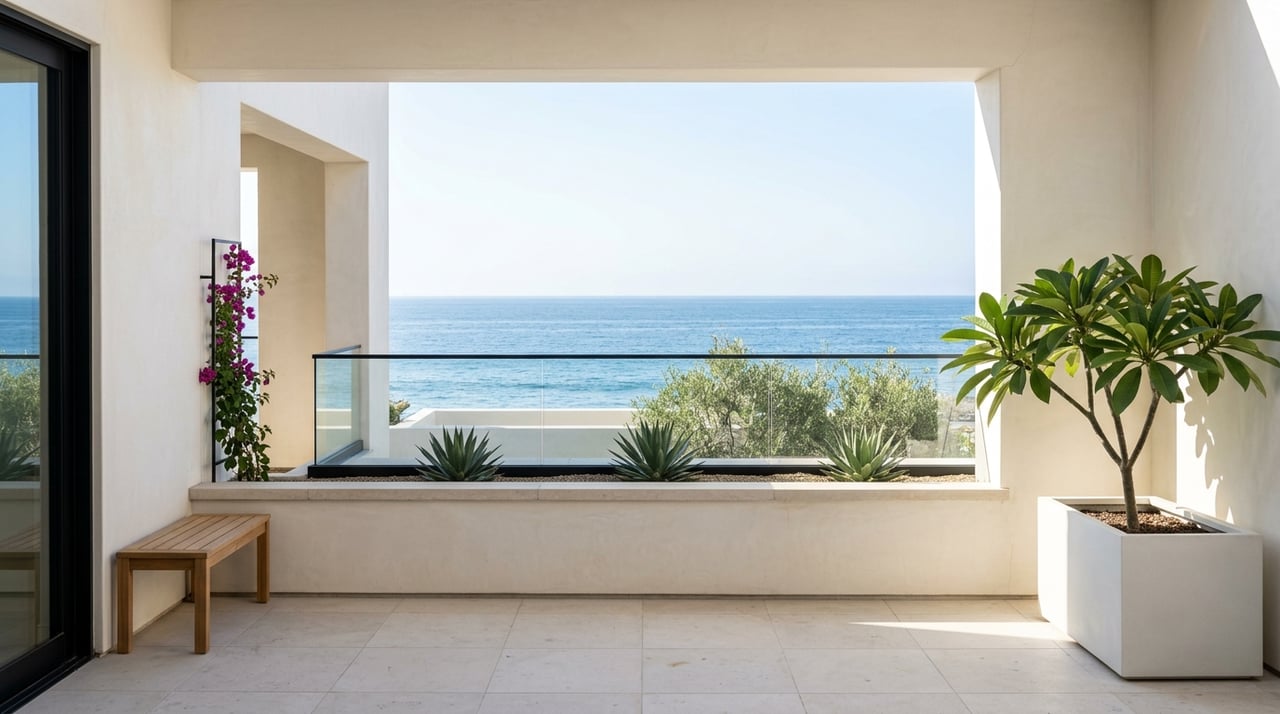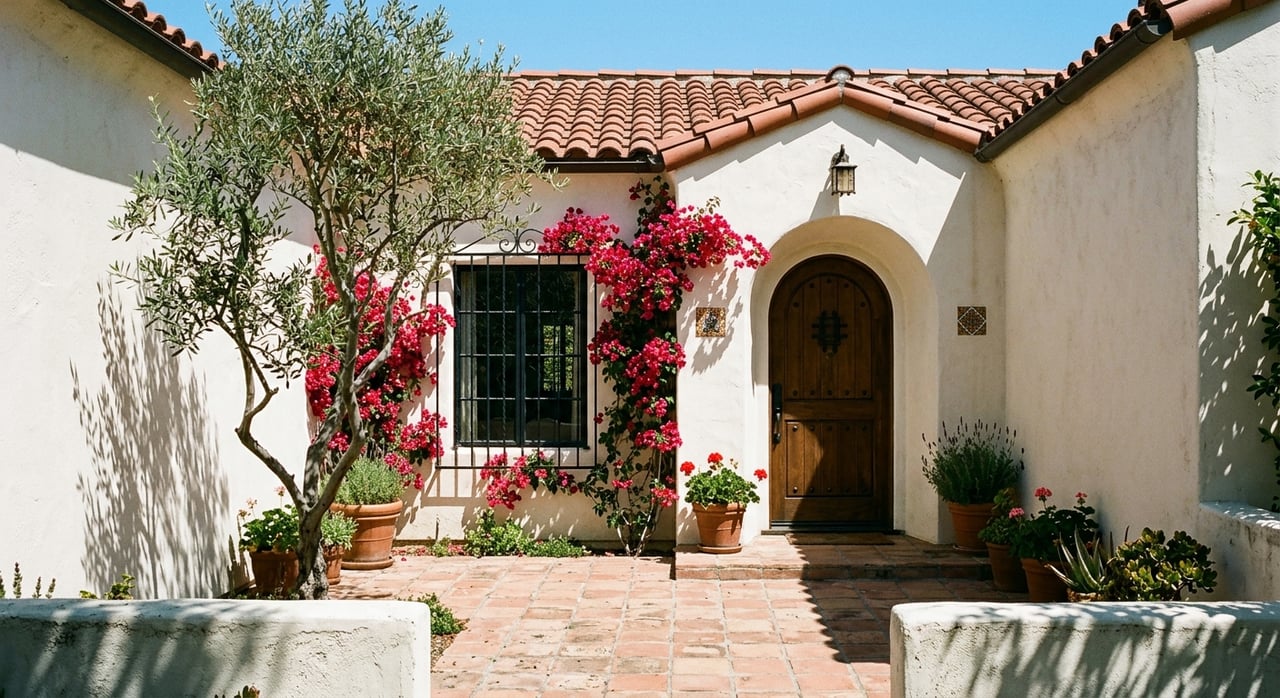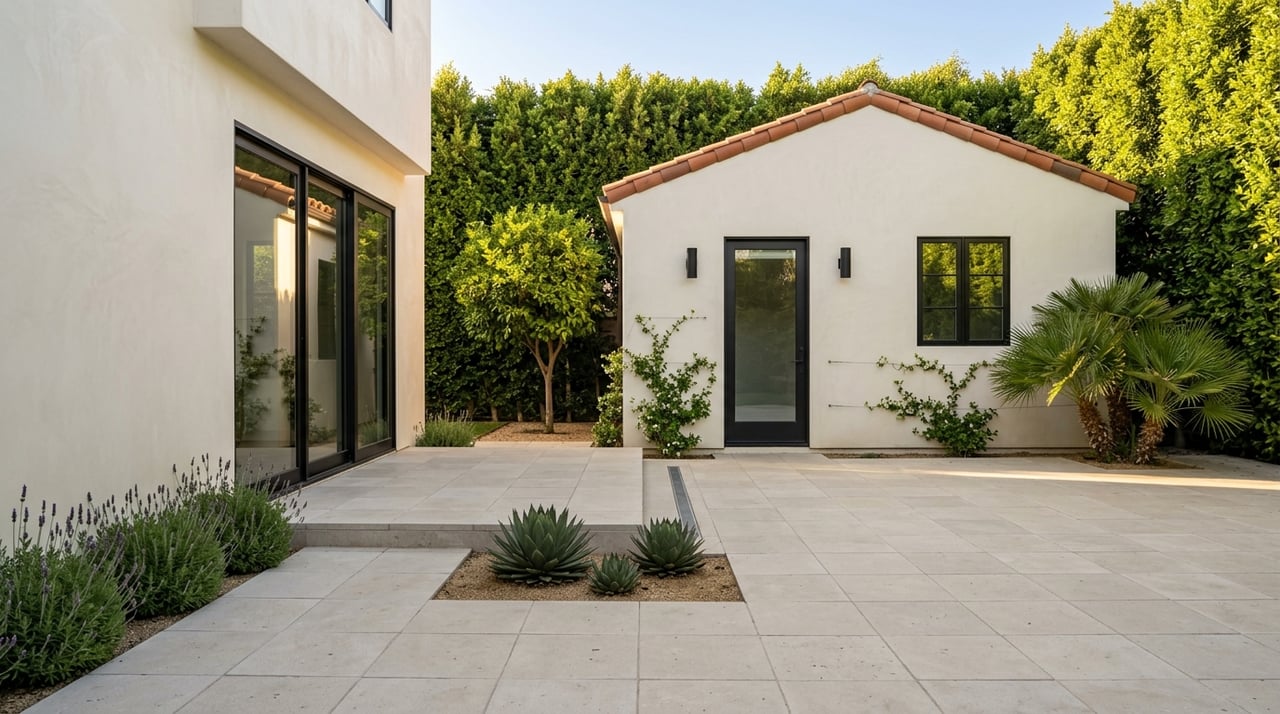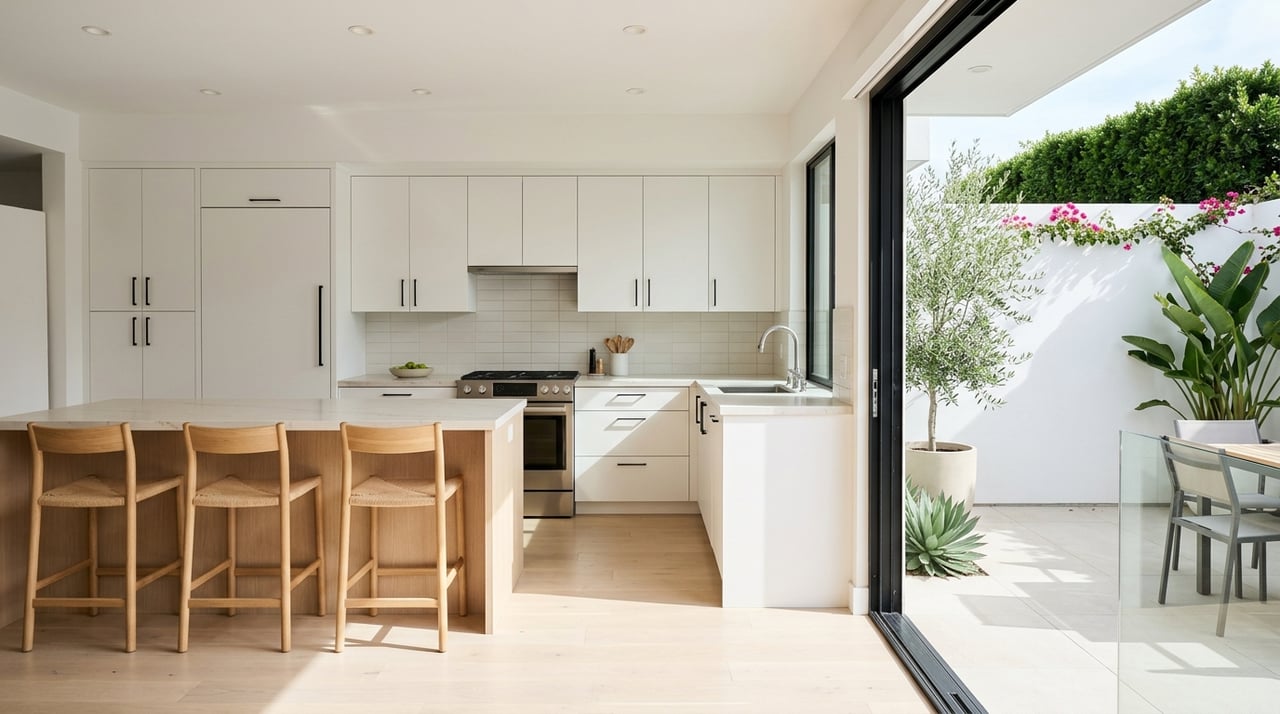
If you dream of morning walks to the harbor and sunset beach time, you are not alone. The big decision for many Dana Point buyers is whether a beach‑close condo or a nearby single‑family home fits better. Each offers a distinct lifestyle, cost profile, and set of tradeoffs.
In this guide, you will learn how condos and houses compare on price, HOA fees, maintenance, financing, insurance and hazards, rental potential, and neighborhood vibe. You will also get a practical checklist you can use on any property you tour. Let’s dive in.
Quick market snapshot
Recent market snapshots show Dana Point’s home values are high by national standards, with city and ZIP medians ranging from the mid $1.6 millions to the mid $2 millions depending on methodology and neighborhood. Rental medians also skew higher in prime coastal pockets. Inventory near the water is tight, and luxury and waterfront homes often have longer marketing times.
The key takeaway for you: expect meaningful price differences by neighborhood and by property type. Ocean‑view and bluff‑top locations command premiums. Condos and townhomes can deliver that beach lifestyle at a lower entry price than many detached homes near the sand.
Condo vs house: the big differences
Price and value
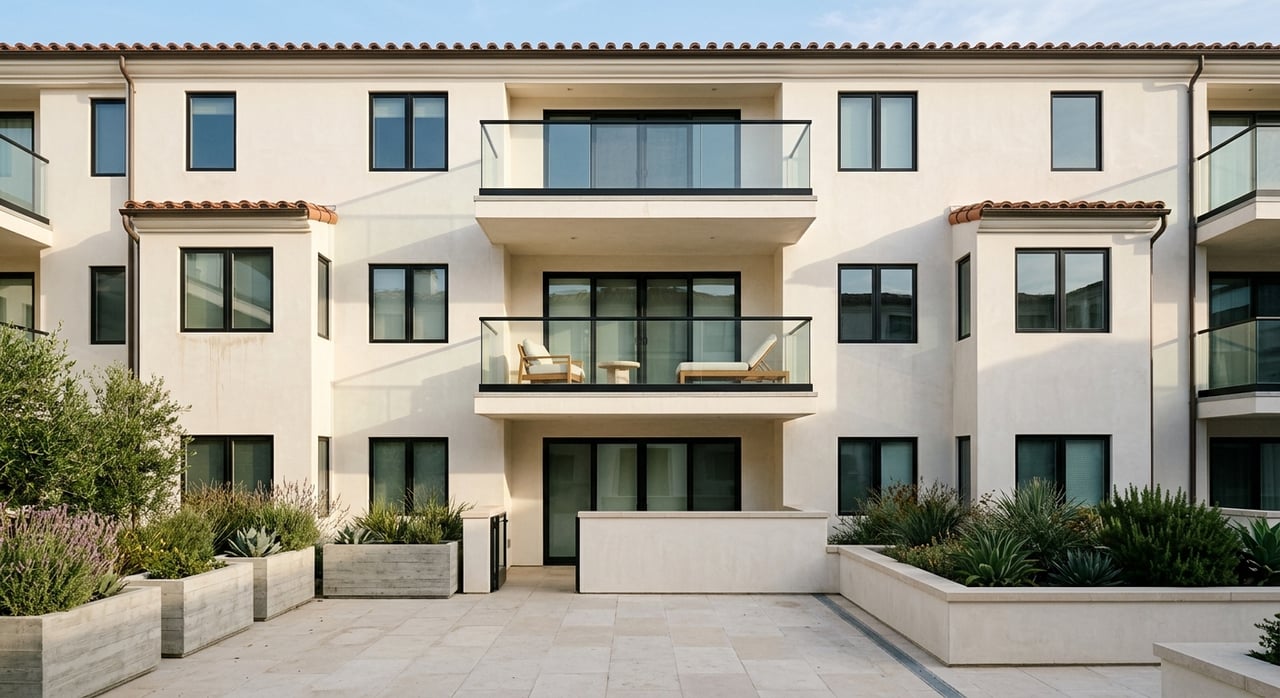
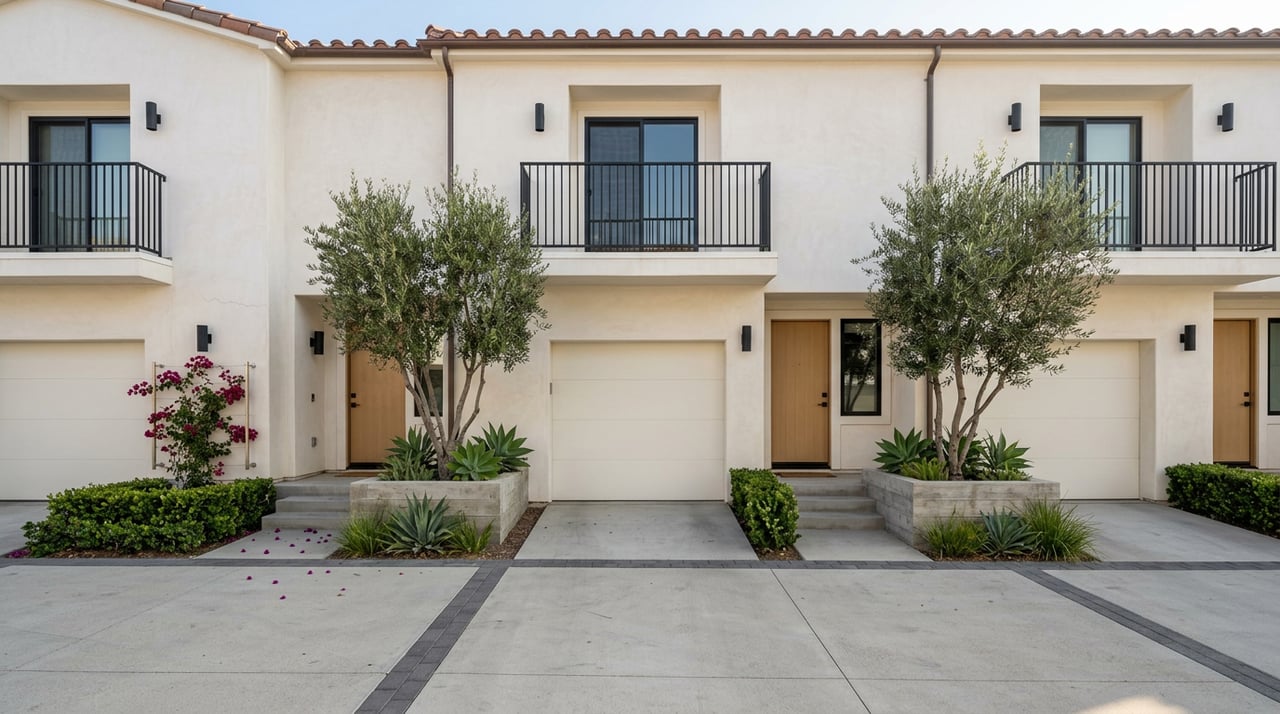
- Condos and townhomes near the Harbor, Lantern District, and bluffs often provide the closest access to sand, dining, and marina life at a lower purchase price than detached lots in the same zones.
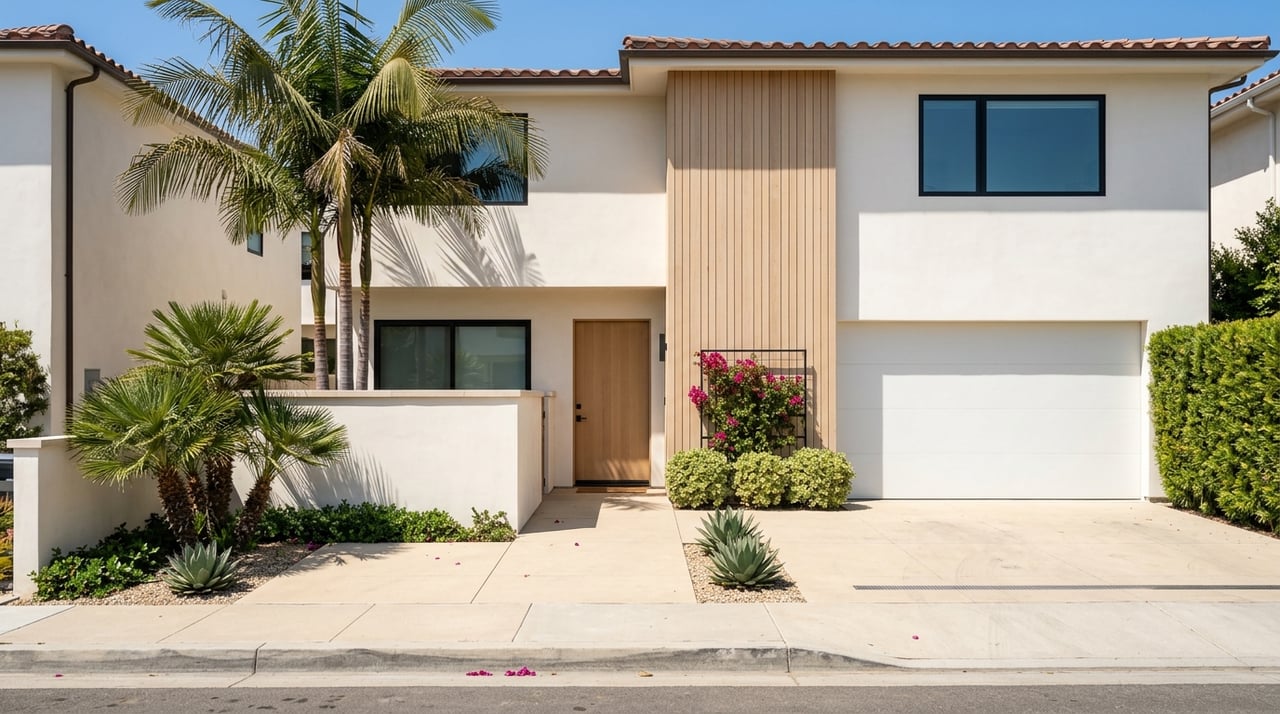
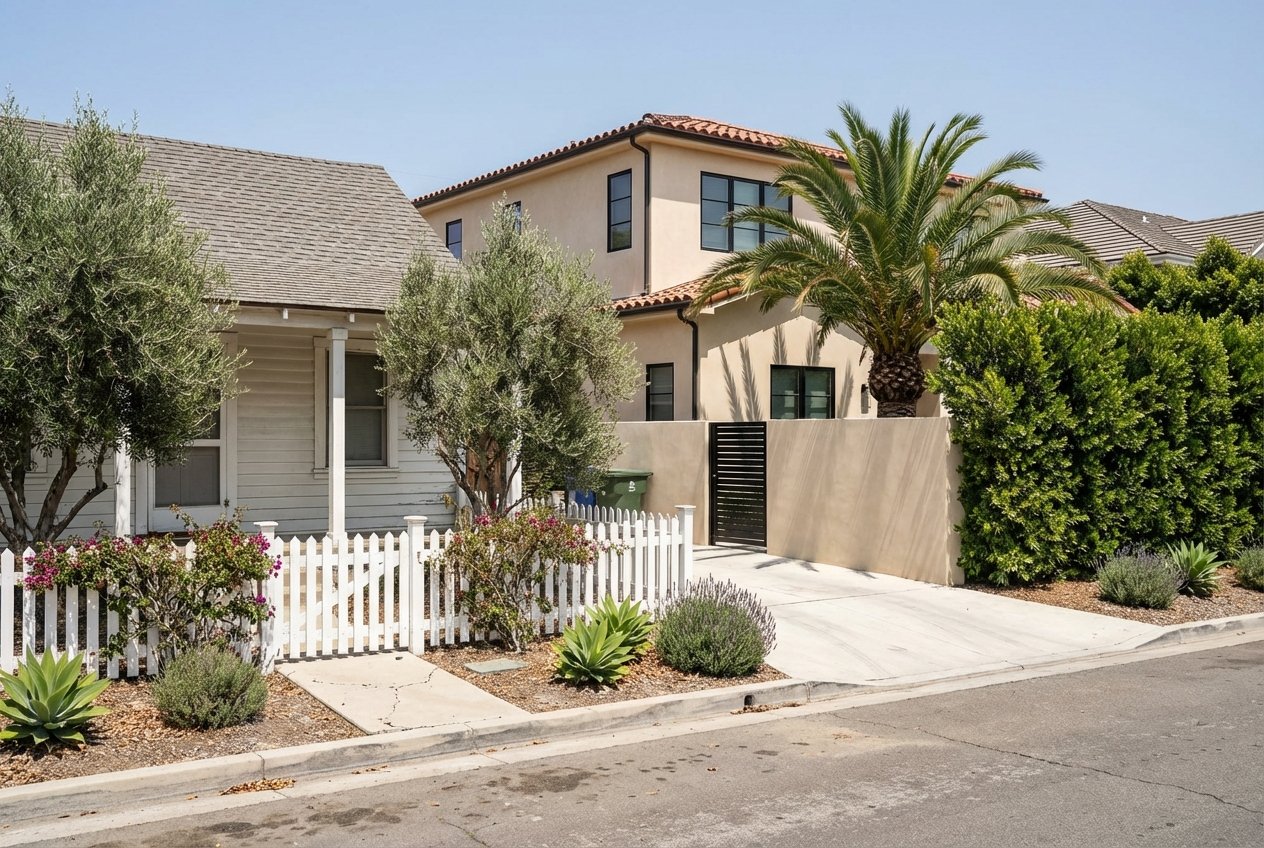
- Single‑family homes in areas like the Headlands, Niguel Shores, and Bluffside/Capistrano Beach usually cost more due to lot size, privacy, outdoor space, and potential views.
- Because Orange County is a high‑cost area, many purchases near the beach may exceed standard loan limits and require jumbo financing. The 2026 high‑cost conforming loan ceiling for a single‑unit home is 1,249,125, which affects down payment and underwriting if you need to borrow more. You can verify the current limit in the FHFA 2026 loan limit announcement.
HOA fees and services
- Condos and townhomes almost always have an HOA. Monthly dues in Dana Point vary widely based on location, amenities, building age, and what the association covers, such as water, trash, exterior insurance, landscaping, and staffing.
- California’s Davis‑Stirling framework requires associations to plan for reserves and disclose percent‑funded information. You should review the latest reserve study, annual budget, and meeting minutes so you are not surprised by special assessments. See a helpful overview of reserve study requirements here: California reserve study requirements.
- Many single‑family areas have either no HOA or a lighter association. Niguel Shores is a notable exception that blends single‑family living with strong association amenities and bluff access in certain areas.
Maintenance and control
- Condos are designed for low‑effort ownership. The HOA typically maintains exteriors, roofs, and common areas. Your focus is the interior. This appeals to second‑home owners and frequent travelers.
- Detached homes give you full control over landscaping, exterior design choices, and parking. They also come with higher direct maintenance time and cost. Along the coast, expect more frequent upkeep due to salt air exposure, including paint, metal hardware, decks, and HVAC components.
Insurance and coastal hazards
- Standard homeowners insurance does not cover flood. If you buy in a low‑lying or harbor‑adjacent area, your lender may require flood insurance, or you may choose to carry it for peace of mind. Check the exact parcel on the FEMA Flood Map Service Center and obtain quotes before you write an offer.
- Dana Point has documented sea level rise and coastal vulnerability. Bluff‑top and harbor‑area properties can face long‑term considerations like erosion, bluff stability, and potential future adaptations. The city’s study is a good background resource: Dana Point Sea Level Rise Vulnerability Assessment.
- Earthquake coverage is separate in California. Ask your insurer for homeowners, earthquake, and flood quotes early in your search, and verify what a condo master policy covers versus what you must insure yourself.
Financing for condos
- Some loan programs require condo project approvals or specific association documentation. If you plan to use FHA or VA financing, verify the building’s approval status or the possibility of a single‑unit approval. Project financials, litigation, and owner‑occupancy rates can affect loan options and resale.
- For any property, confirm whether your target price requires a conforming or jumbo loan. The jumbo decision can shape your rate options and conditions.
Rental potential and short‑term rules
- Dana Point runs a regulated short‑term rental program. Permits are capped by zone, and the city requires confirmation from the HOA that short‑term rentals are allowed before issuing a permit. Start here to review the current program: Dana Point Short‑Term Rentals.
- In practice, that means some condos can be short‑term rented and others cannot, even within the same neighborhood. Permit caps, waitlists, enforcement, and TOT requirements all factor into returns.
- Long‑term rental demand is solid in many beach‑close pockets. Always compare rent medians and building‑specific performance before you underwrite an investment purchase.
Neighborhoods and lifestyle tradeoffs
Beach‑close condos to watch
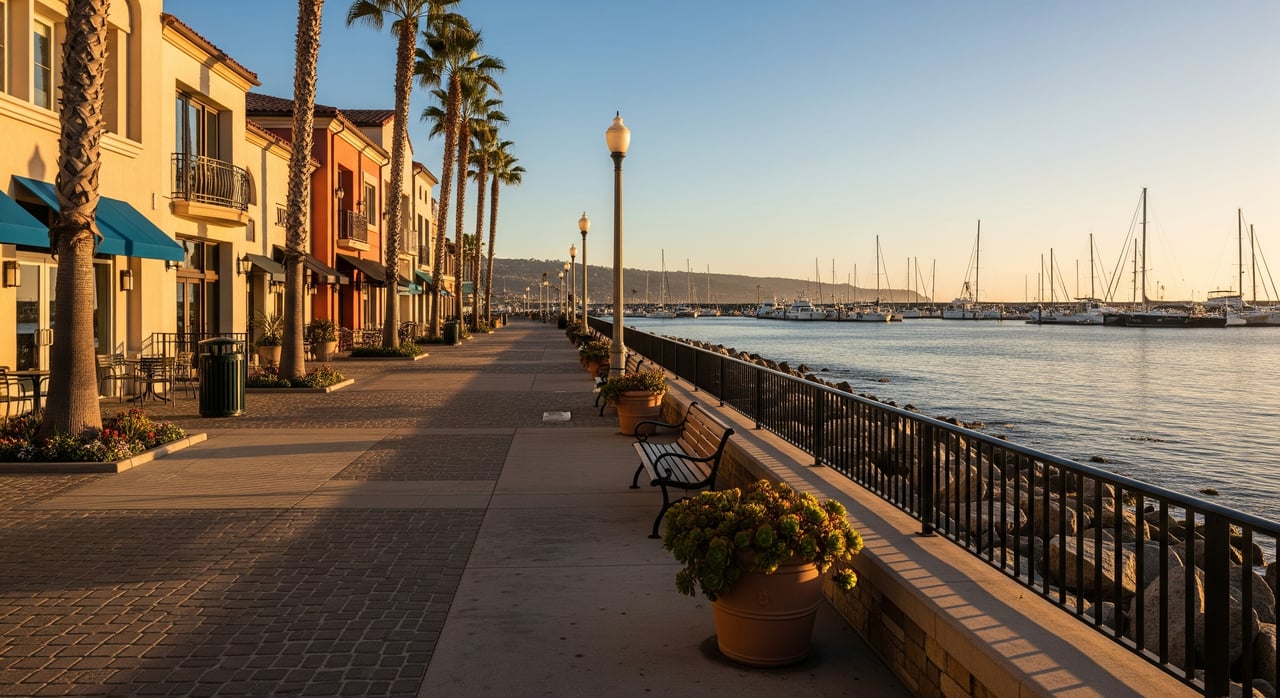
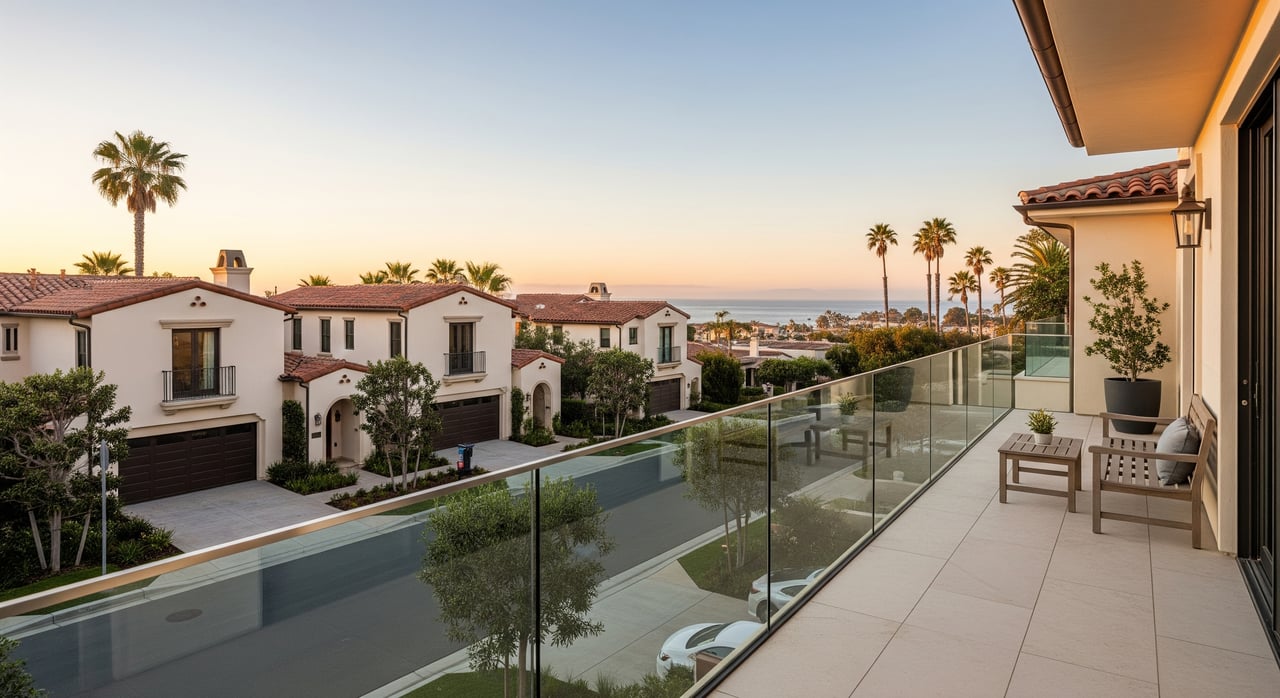
You will find many of Dana Point’s most walkable condo and townhome options near the Harbor, the Lantern District, and along the bluffs above Capistrano Beach. These communities often offer pools, controlled parking, and a true lock‑and‑leave lifestyle. They also position you near restaurants, marina activities, and seasonal events.
Single‑family pockets near the sand
Niguel Shores, the Headlands, and Bluffside areas typically feature larger detached homes and private outdoor space, with select lots offering ocean views or private community access points. Inland neighborhoods like Dana Hills can trade at a relative discount while keeping you within a short drive of the coast.
Beaches and local amenities
Doheny State Beach is a major draw for surfing, camping, and day use. You can explore official details on access and facilities at the Doheny State Beach page. Seasonal events like the Festival of Whales add to the area’s appeal and can drive short‑term rental interest within the city’s rules. Learn more about timing and activities at the Festival of Whales event page.
Cost comparison worksheet
Use this quick worksheet to compare a condo you like against a single‑family home in the same area. Tally monthly and annual numbers for a truer picture of total cost.
- Mortgage payment: principal and interest based on your loan type and rate.
- Property taxes: estimate using the purchase price and local tax rate.
- HOA dues: include master and sub‑associations where applicable.
- Insurance: homeowners, flood, and earthquake quotes. For condos, confirm what the master policy covers and your individual HO‑6 needs.
- Utilities: water, trash, and sewer may be included in some condo dues; if not, estimate separately.
- Maintenance: set aside for routine upkeep. For detached homes, budget more for exterior paint, roofing, landscaping, and coastal wear.
- Parking and storage: consider costs for extra parking, EV charging readiness, or off‑site storage if needed.
- Rental line items: if applicable, include vacancy assumptions and city requirements like Transient Occupancy Tax registration and remittance.
Buyer checklist for Dana Point
Work through these items during showings and before you remove contingencies.
- HOA documents and reserves. Request the full HOA disclosure packet, including the most recent budget, reserve study, financials, meeting minutes, insurance certificates, and any delinquency or litigation reports. California associations follow Davis‑Stirling rules on reserve planning and disclosures. Review the basics here: California reserve study requirements.
- STR rules and permit status. Confirm whether the specific address has or can obtain a short‑term rental permit and whether the HOA allows STRs. Start with the city’s program overview: Dana Point Short‑Term Rentals.
- Flood, bluff, and coastal hazards. Check FEMA flood maps, ask for any elevation certificate, and review the city’s sea level rise guidance for that neighborhood. See the FEMA Flood Map Service Center and the Dana Point SLR Vulnerability Assessment.
- Insurance quotes. Get written quotes for homeowners, flood, and earthquake coverage. For condos, verify master policy coverage, deductibles, and any gaps you must cover. Ask about recent carrier changes in similar coastal blocks.
- Financing pathway. If using FHA or VA, verify condo project approval or single‑unit approval potential. Confirm whether your purchase will require a jumbo loan and how that affects down payment and underwriting. For current conforming limits, see the FHFA 2026 loan limit announcement.
- Recent comps by property type. Compare condos and single‑family homes separately within a tight radius. Price per square foot and market behavior can differ block by block.
- Physical condition and coastal specifics. For bluff‑top homes, ask for geotechnical or bluff stability reports and any Coastal Commission or City conditions. For condos, confirm compliance with California’s SB‑326 inspection of exterior elevated elements like balconies and walkways, and ask about any planned repairs.
- Parking, storage, and access. Verify assigned spaces, guest parking rules, EV charging options, and storage availability. For detached homes, confirm driveway and garage capacity.
- Exit strategy. Consider how HOA rules, rental restrictions, and financing eligibility could shape your future buyer pool and days on market.
Which choice fits you best?
- Choose a beach‑close condo or townhome if you want a low‑maintenance, lock‑and‑leave lifestyle near the Harbor and Lantern District, with community amenities and the potential for STR income where permitted. Focus your due diligence on HOA health, reserves, insurance coverage, and parking.
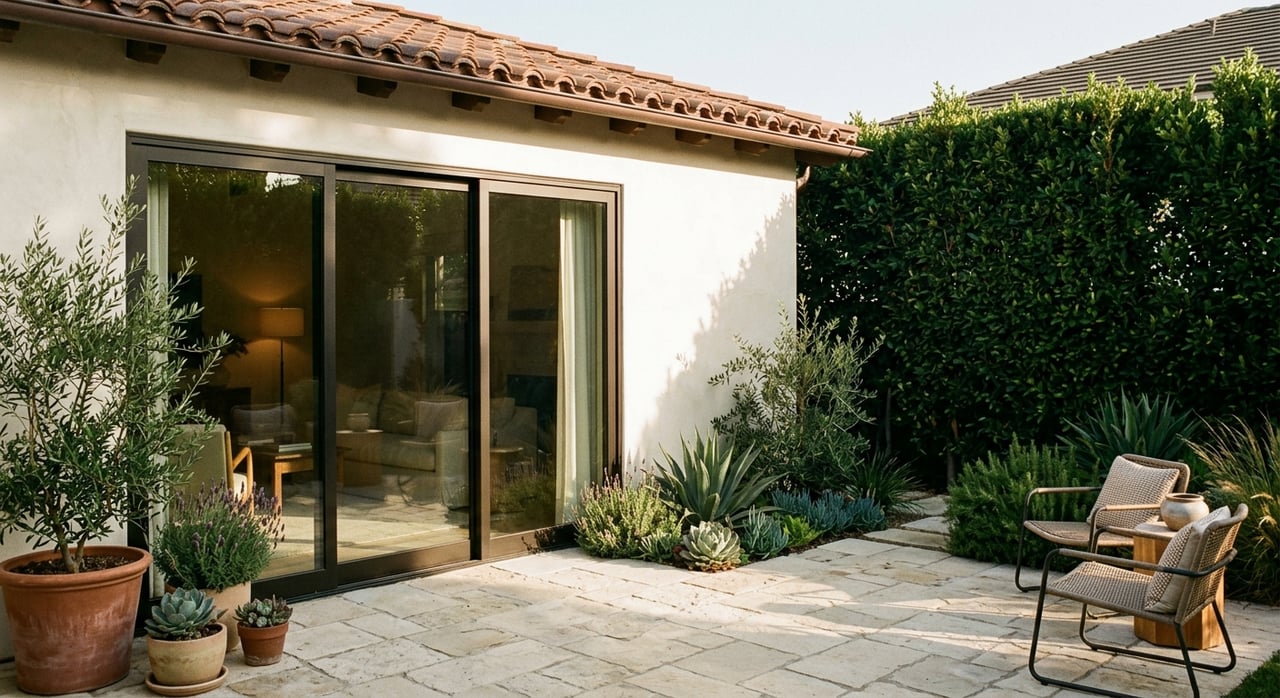
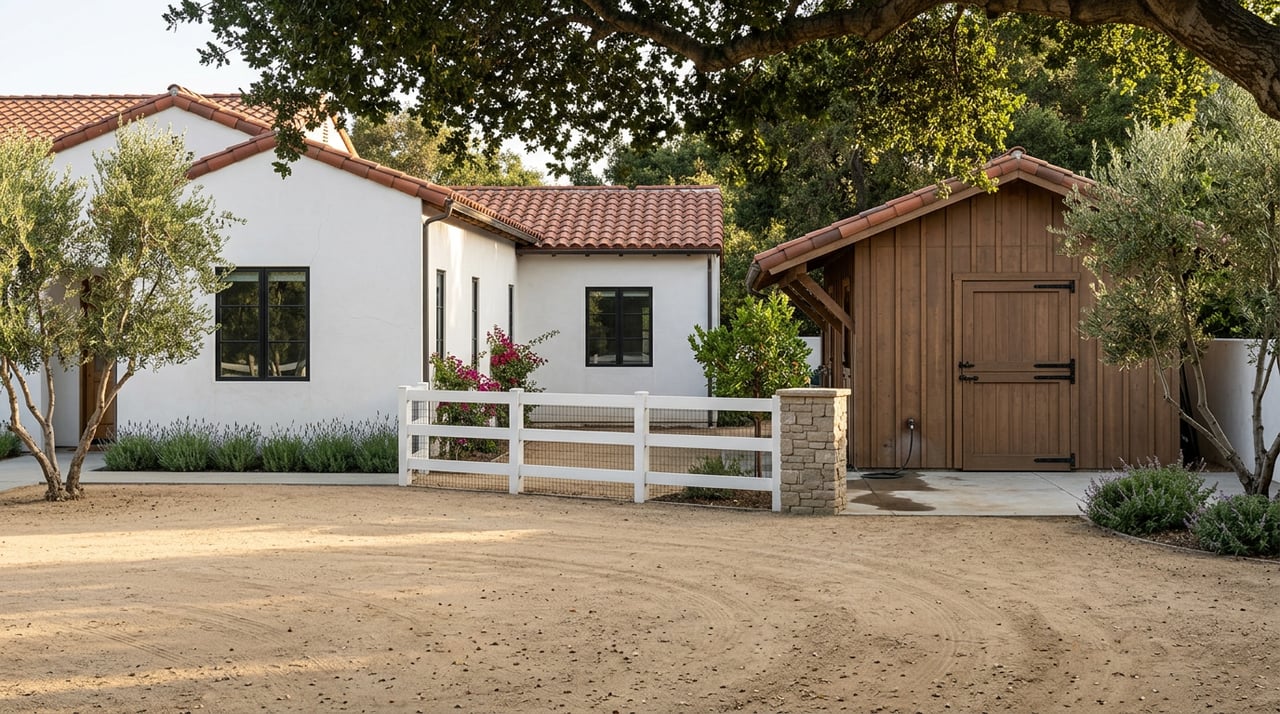
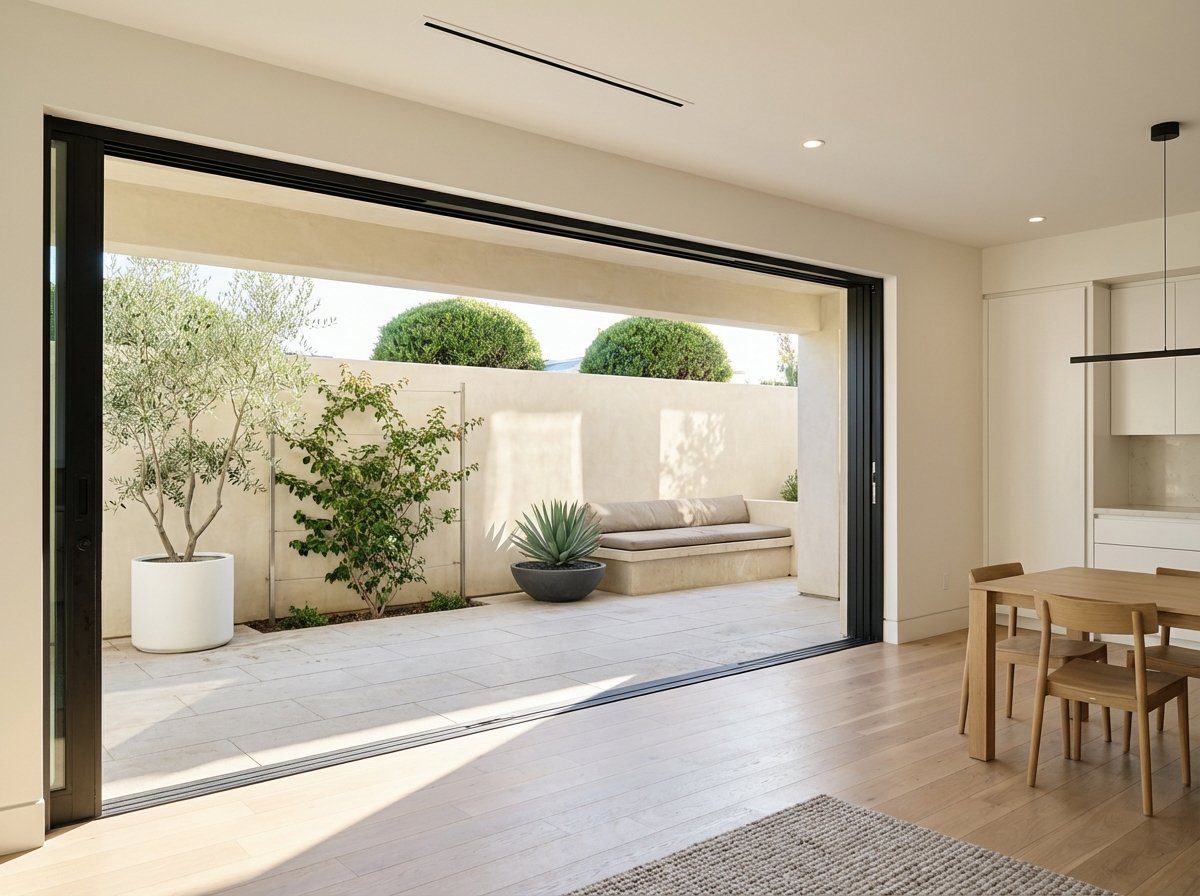
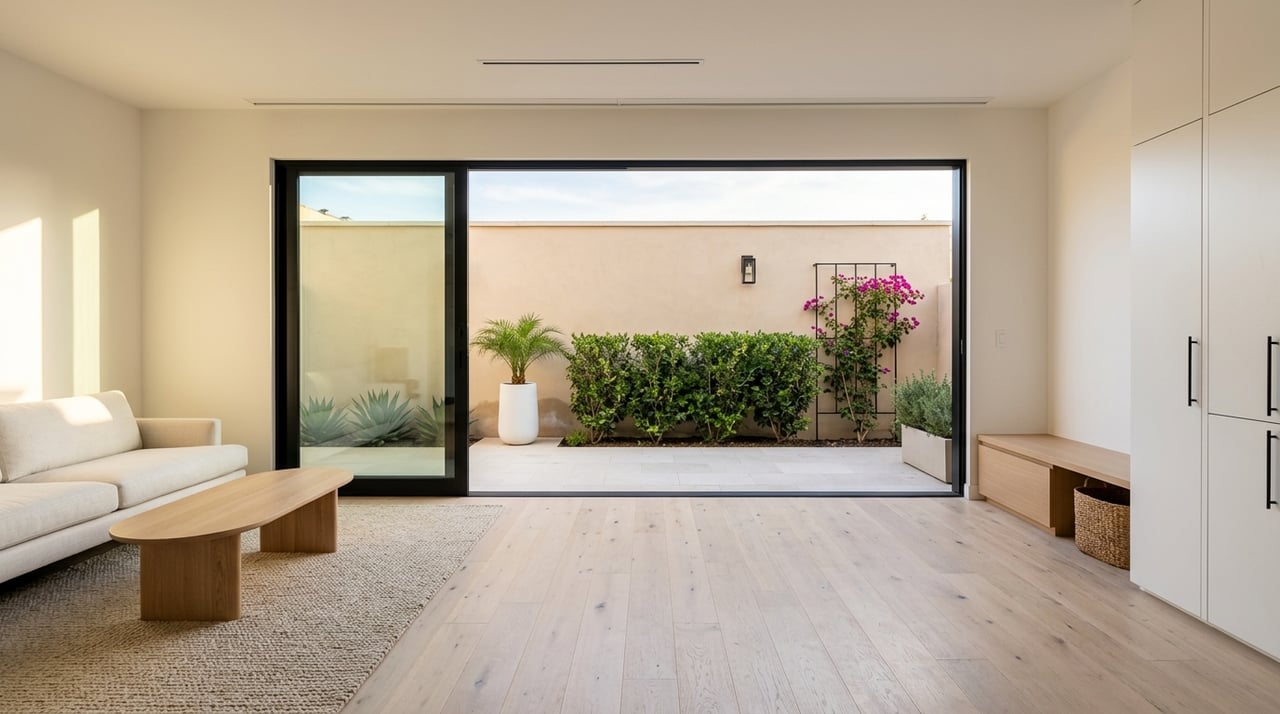
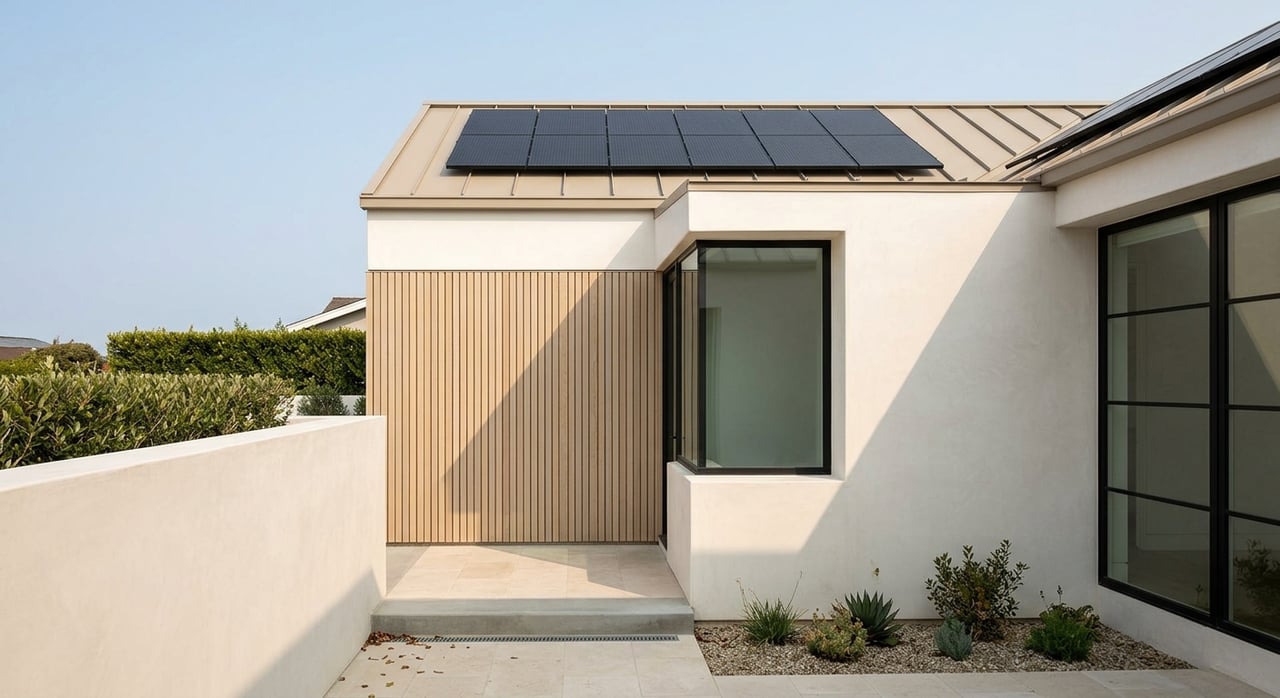
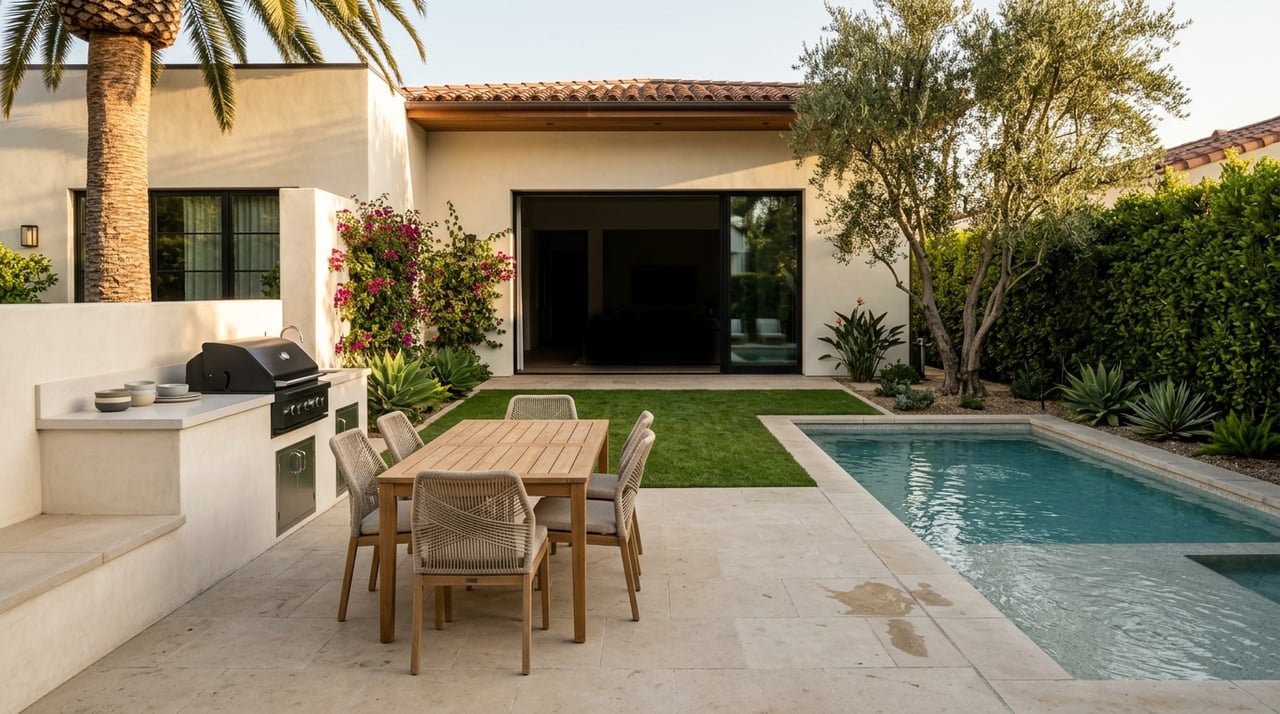
- Choose a nearby single‑family home if you value indoor‑outdoor space, privacy, and control over improvements. Plan for higher purchase prices, more hands‑on maintenance, and thorough review of coastal risks and insurance.
Either path can be a great choice. The right answer depends on how you plan to live, how much time you want to spend on upkeep, and your budget for both purchase and ongoing costs.
Your next step
If you want a clear, side‑by‑side look at your top options, including tailored comps, HOA and insurance snapshots, and a financing game plan, connect with Michelle Bakkedahl. You will get hyper‑local guidance, smart negotiation, and a smooth, detail‑driven escrow from a proven South OC specialist.
FAQs
What is the price gap between condos and single‑family homes near Dana Point beaches?
- Market snapshots show condos and townhomes often offer a lower entry price than detached homes in the same beach‑close zones, with premiums for ocean views and bluff‑top lots.
How do HOA fees work for Dana Point condos and townhomes?
- Dues vary by building and amenities, and may include water, trash, exterior insurance, and landscaping; always review budgets, reserve studies, and recent minutes for assessments or loans.
Do I need flood or earthquake insurance for Dana Point properties?
- Standard homeowners policies exclude flood and earthquake; check your parcel on the FEMA Flood Map Service Center and get quotes for homeowners, flood, and earthquake before making an offer.
Can I operate a short‑term rental in a Dana Point condo?
- Possibly, but only if the city has issued a permit and the HOA allows STRs; start with the city’s program overview here: Dana Point Short‑Term Rentals.
Will I need a jumbo loan to buy near the beach in Dana Point?
- Many beach‑close purchases exceed conforming limits and require jumbo financing; check the current high‑cost ceiling in the FHFA 2026 loan limit announcement.
Which Dana Point areas offer the most walkable condo options?
- Many of the most walkable condo and townhome choices cluster near the Harbor, the Lantern District, and select bluff‑top communities above Capistrano Beach.