If you have a rental property in San Clemente, timing can shape everything from how quickly you find a tenant to how much flexibility you need on pricing. In a coastal market driven by beach lifestyle, community events, and school-year rhythms, rental demand does not stay flat all year. Understanding those seasonal patterns can help you make smarter leasing decisions, reduce vacancy, and plan ahead with more confidence. Let’s dive in.
Why seasonality matters in San Clemente rentals
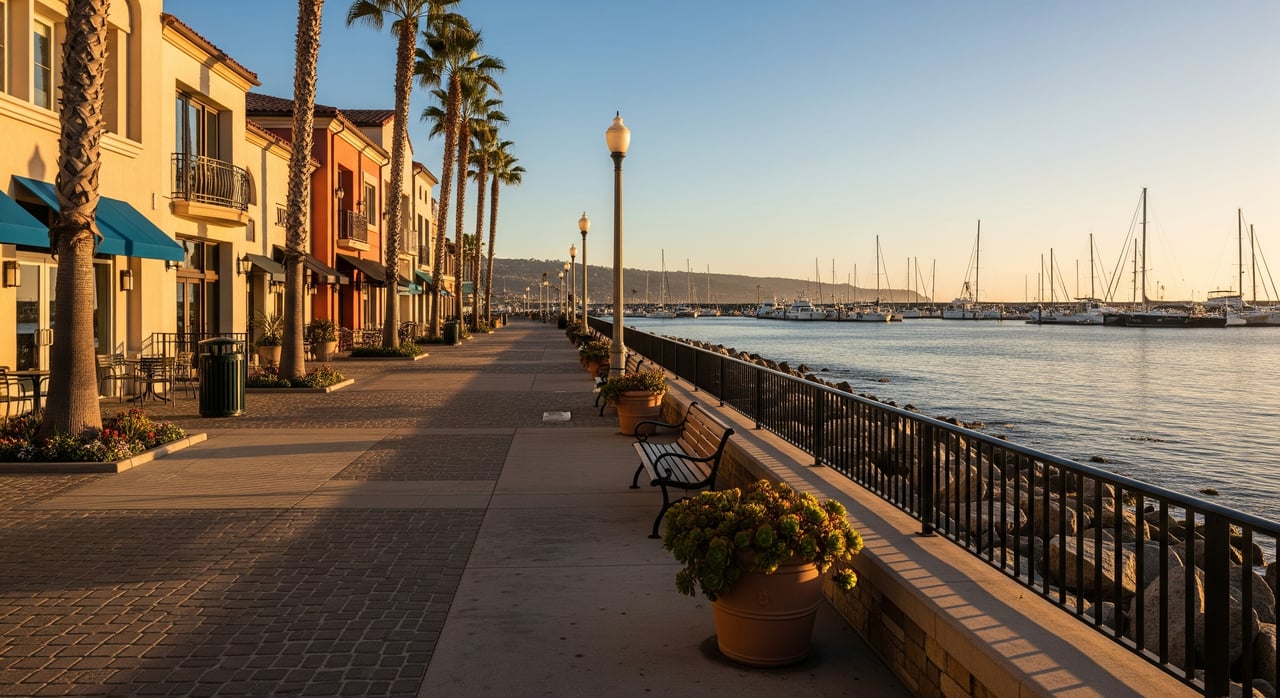
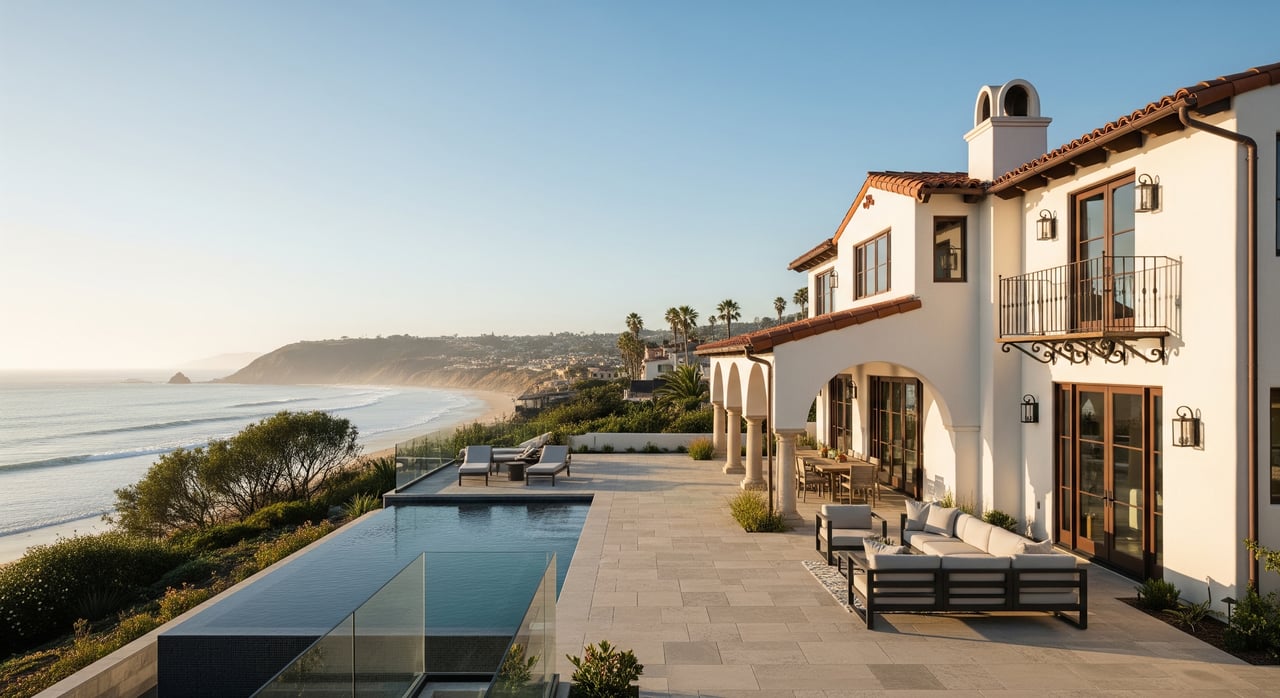
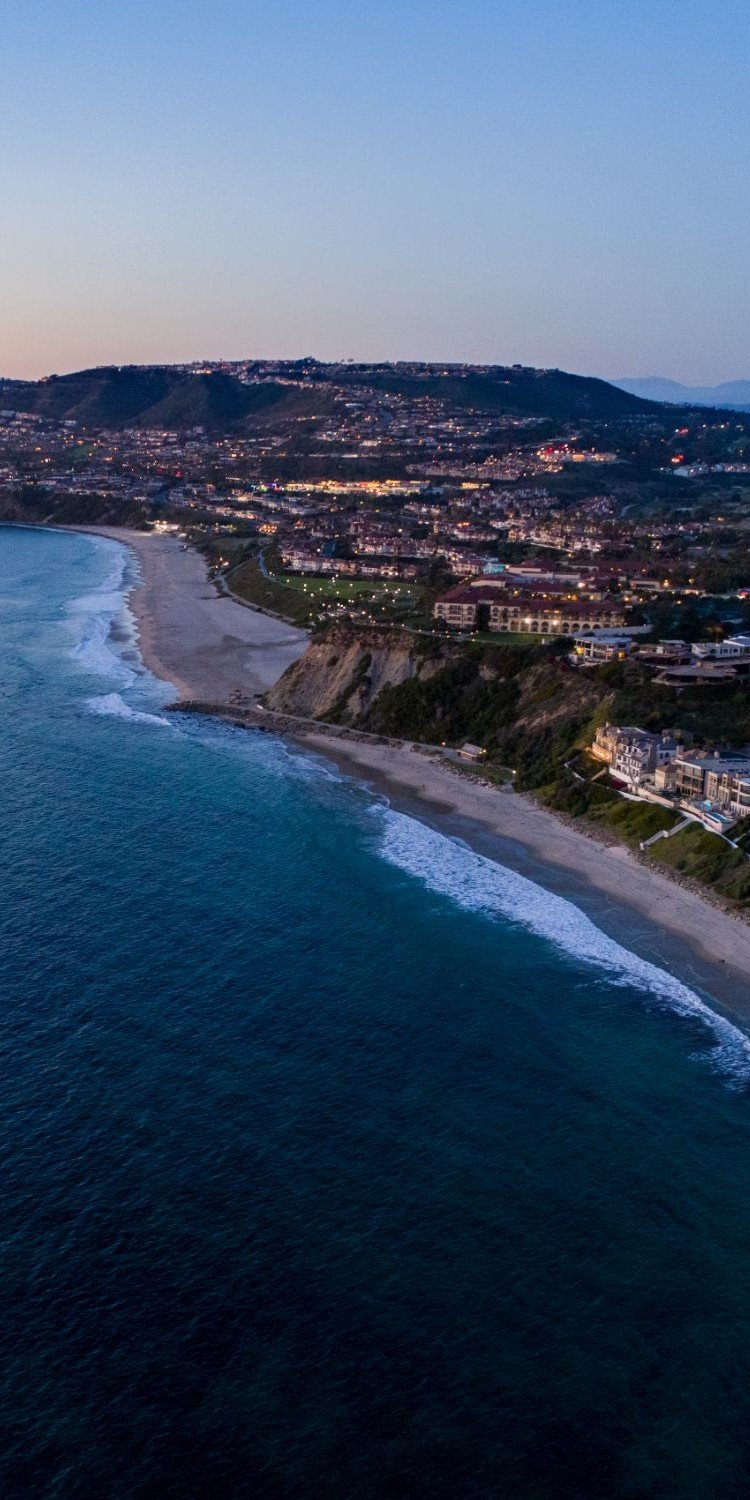
San Clemente is not just any rental market. The city highlights its coastal identity, with roughly 300 days of sunshine, an average annual temperature of 73 degrees, and a strong beach-centered lifestyle. It also manages 2 miles of public beaches and supports a busy recreation calendar with about 45 city and partner events plus 17,000 rental and program bookings each year.
That matters because rental demand here is often shaped by lifestyle timing as much as housing need. When beach season picks up, local events fill the calendar, and school schedules shift, more renters tend to enter the market. For owners and investors, that can create a more favorable leasing environment during certain parts of the year.
Current pricing also shows how competitive this market can be. As of June 12, 2026, Zillow reported an average rent of $4,500 with 189 available rentals, while Realtor.com reported a median rent of $4.9K and 151 rentals. Because those figures come from different datasets, it is best to view them as a general pricing range rather than one exact benchmark.
When rental demand is strongest
National rental data still points to spring and early summer as the busiest time of year. Zillow reports that summer usually brings the widest selection of rentals and the most competition, with June often marking the peak of rental activity. It also found that renters were most likely to move in March, April, May, and June.
That broader pattern tends to line up well with San Clemente. In a city known for surf, beaches, and outdoor living, late spring and summer naturally attract more attention from renters who want to settle in before or during the most active season.
There is also evidence that the peak season is starting a bit earlier than it used to. Apartment List reports that rent growth has shifted earlier in the year, with recent peak rent growth showing up in March rather than May. Apartments.com similarly notes that rents often rise in spring and early summer before slowing later in the year.
Best listing window for owners
For many San Clemente rental owners, late February through June is usually the strongest listing window. This period often brings more search activity, more urgency from renters, and firmer pricing conditions. If your goal is to lease quickly while minimizing discount pressure, this window is often worth targeting.
That does not mean every property should hit the market at the exact same time. Property type, condition, and price point still matter. But if you have flexibility, aligning your timeline with the spring-to-early-summer demand build can improve your odds.
Why San Clemente can feel more seasonal
San Clemente has local factors that can amplify the normal rental cycle. The city’s events calendar includes summer-focused programming such as Island Nights, Stars, Stripes, & Summer Nights, Independence Day Fireworks, and the Summer Beach Concert Series in July and August.
These events help reinforce the area’s seasonal appeal. They create more activity, more visibility, and more reasons for renters to want to be in town during the warmer months. In a lifestyle-driven market, that energy can influence demand in a way that goes beyond a typical commuter suburb.
School timing likely plays a role too. Capistrano Unified School District includes all or part of San Clemente and publishes annual school calendars, so move timing in the area is likely to cluster around the academic year. That fits the broader national pattern showing that school schedules help drive spring and early summer leasing activity.
When the market usually softens
The softest rental window is typically November through January. Nationally, that period tends to bring less search traffic, fewer moves, and more pressure on owners to stay flexible.
Zillow reports that winter usually has the lowest rents and the highest concession activity, with concessions peaking in December at 41% of rentals in its national data. In practical terms, that can mean owners may need to adjust rent expectations, offer a more flexible move-in date, or consider other incentives to reduce vacancy risk.
In San Clemente, that softer period may still be cushioned by the area’s mild weather and coastal appeal. But the broader seasonal slowdown still matters. If your lease is ending around the holidays, it is smart to prepare for a smaller renter pool.
Signs you may need more flexibility
If you are listing during late fall or winter, watch for these common challenges:
- Longer days on market
- More comparison shopping from renters
- Greater sensitivity to pricing
- More requests for flexible move-in timing
- Increased need for polished marketing and strong presentation
This is where planning ahead can make a real difference. A well-timed listing often gives you more control than a rushed vacancy in December.
How lease timing affects vacancy risk
One of the most useful ways to work with seasonality is through lease expiration strategy. Zillow reports that 12 months is the most common fixed-term lease length, and renters most often move in March through June.
If you can control the start date of a new lease, it is often better to aim for a spring or early summer expiration rather than a holiday-season turnover. That gives you a better chance of relisting when more renters are actively searching.
For example, if a property becomes available in winter, you may want to think carefully about how the next lease term lines up. Even a small adjustment in lease length could help position your next turnover in a stronger seasonal window.
Smart timing strategies for owners
Here are a few practical ways to use seasonality to your advantage:
- List early if you want to capture spring demand before competition builds
- Aim for lease expirations in spring or early summer when possible
- Be realistic about winter pricing and concessions
- Plan marketing photos and listing prep before the busy season starts
- Track local event timing and school calendars when forecasting demand
For investors and rental owners, these small timing decisions can support better occupancy and more stable income over time.
What to know about medium-term rentals
Some owners look to medium-term rentals to bridge seasonal gaps, but the rules matter. In San Clemente, short-term lodging means 29 or fewer consecutive days and requires a permit and operating license. The city also applies a 10% transient occupancy tax to short-term lodging.
There is an exemption process for continuous stays of 29 days or longer at a registered vacation rental property. That means a 30-plus-day rental should be planned differently from a stay under 30 days.
If you are considering this strategy, the key point is simple: do not assume all rental terms are treated the same. Seasonal planning is not just about demand. It is also about structuring the rental period in a way that fits local rules.
What this means for San Clemente owners
The big takeaway is that San Clemente’s rental market tends to strengthen from late winter into summer, with the strongest competition often showing up in May and June. The softest conditions usually arrive in late fall and winter.
That seasonal swing is not identical for every property. A condo, single-family home, or higher-end coastal rental may each perform a little differently depending on location, condition, and price point. Still, the city’s beach-first lifestyle, active event calendar, and school-year rhythms make seasonality an important part of rental strategy here.
If you own a rental in San Clemente, timing should not be an afterthought. It should be part of how you plan pricing, marketing, lease terms, and turnover dates from the start.
Whether you are preparing to list a long-term rental, thinking through lease timing, or exploring ways to reduce vacancy, working with a local expert can help you make sharper decisions. For tailored guidance on rentals, leasing strategy, and South Orange County market timing, connect with Michelle Bakkedahl.
FAQs
When is the best time to list a rental in San Clemente?
- Late February through June is usually the strongest window because renter activity tends to build in spring and peak in early summer.
Why does rental seasonality matter in San Clemente?
- Seasonality affects demand, pricing power, days on market, and vacancy risk in a lifestyle-driven coastal market like San Clemente.
What months are typically slowest for San Clemente rentals?
- November through January are usually the softest months, with lower search activity and more pressure for pricing flexibility or concessions.
How do school calendars affect San Clemente rental timing?
- School-year timing likely influences move patterns in San Clemente, with more activity clustering around spring and early summer.
What is considered short-term lodging in San Clemente?
- A stay of 29 or fewer consecutive days is considered short-term lodging and requires a permit and operating license under city rules.
Are 30-day rentals treated differently in San Clemente?
- Yes. Rentals of 30 days or longer should be planned differently from sub-30-day stays, especially when owners are managing seasonal vacancy strategies.