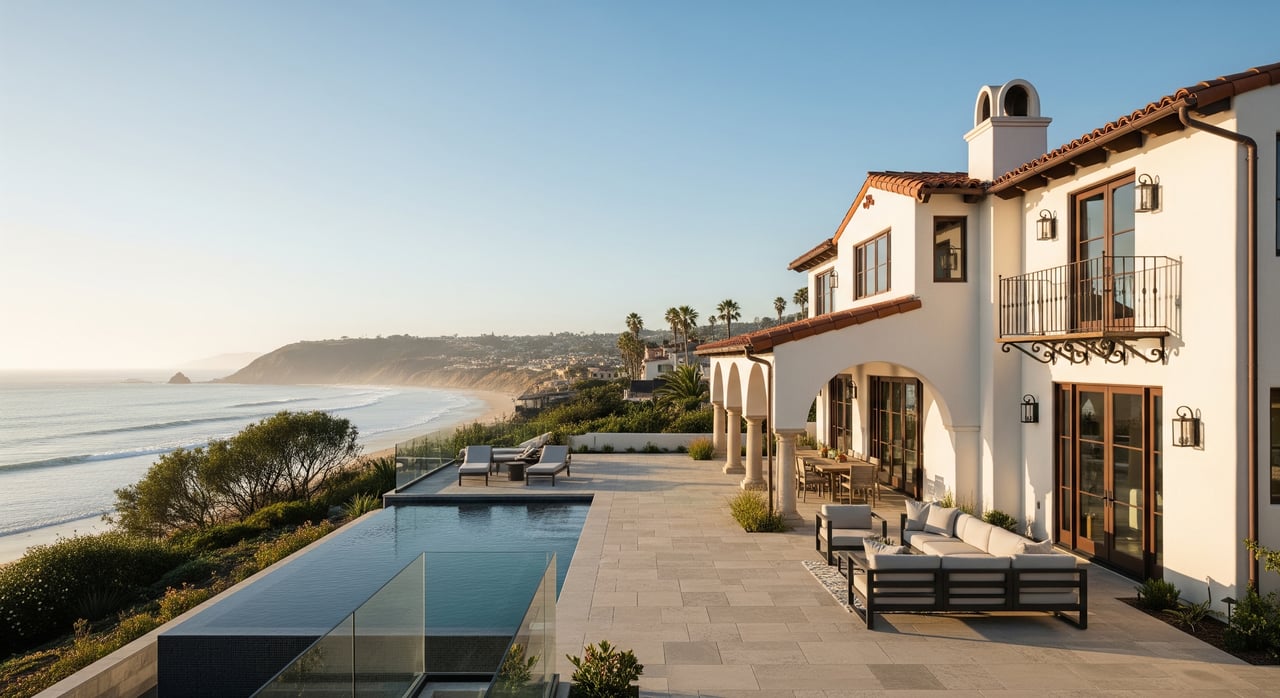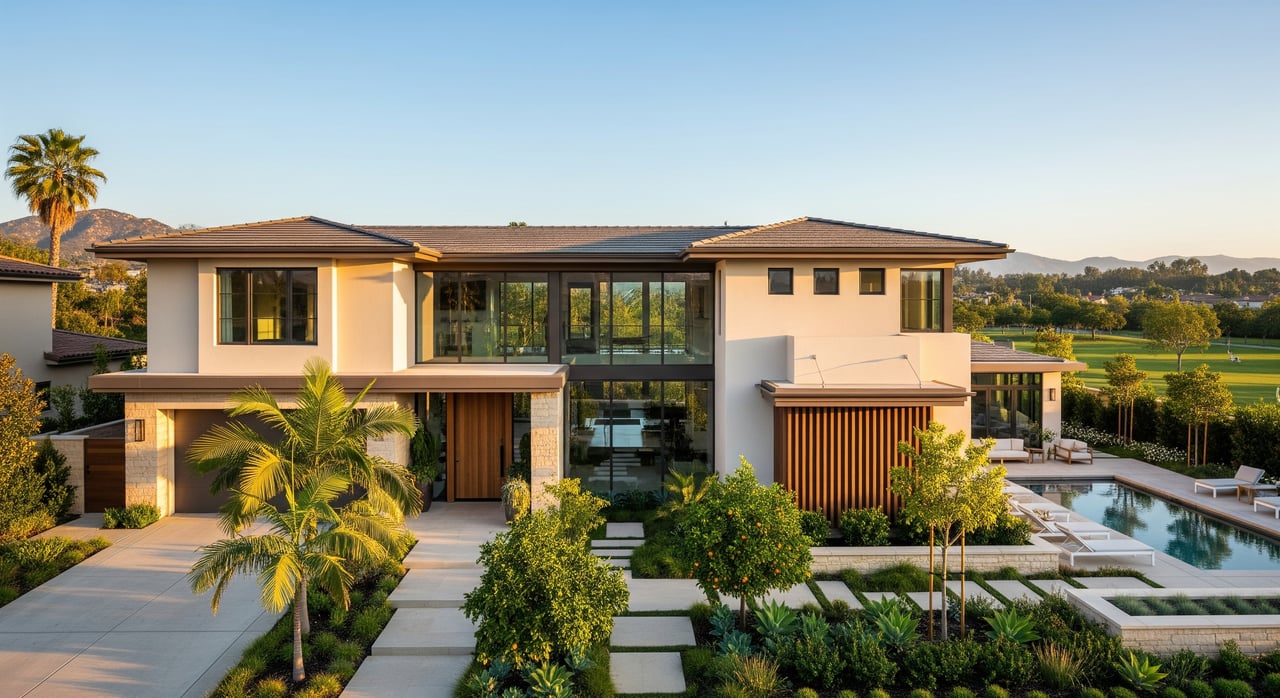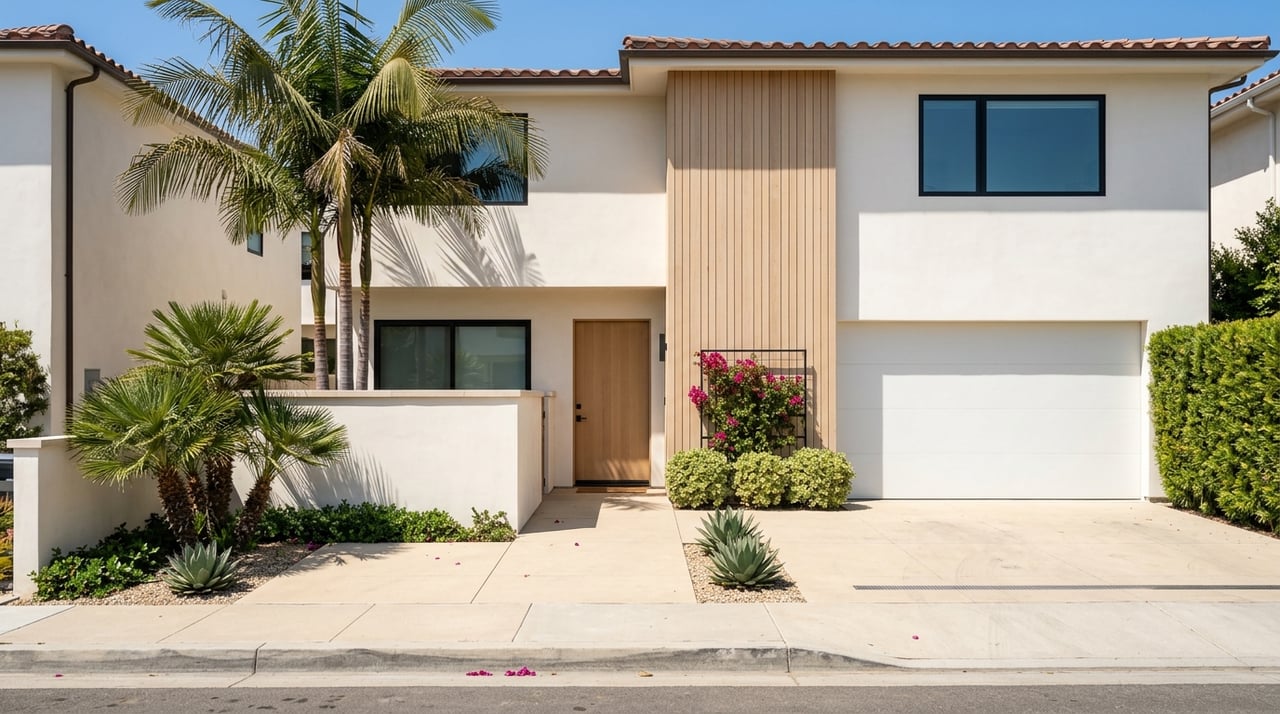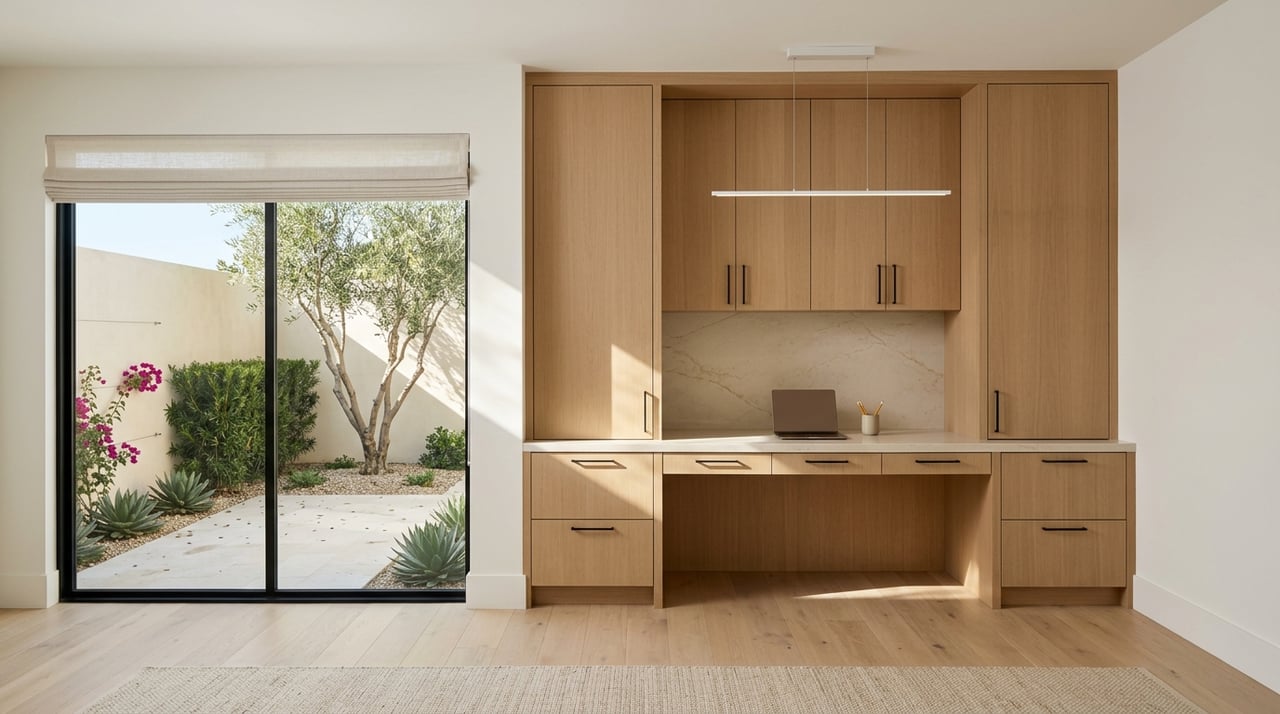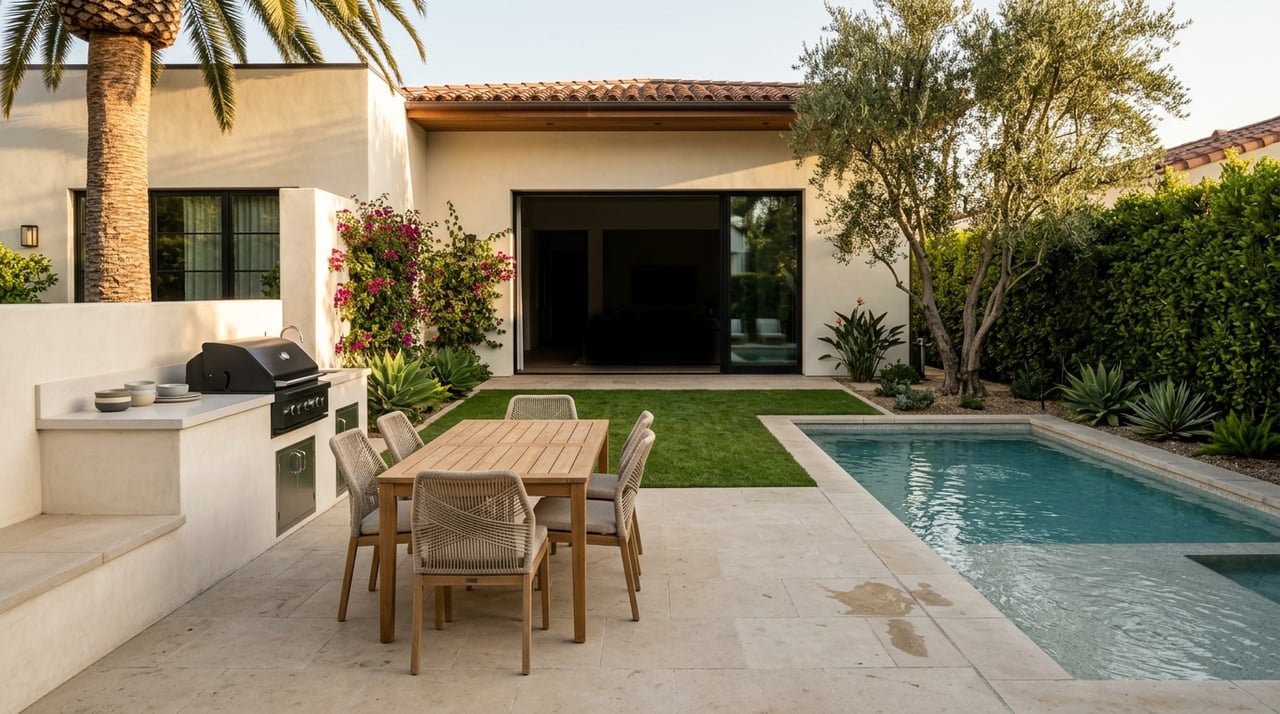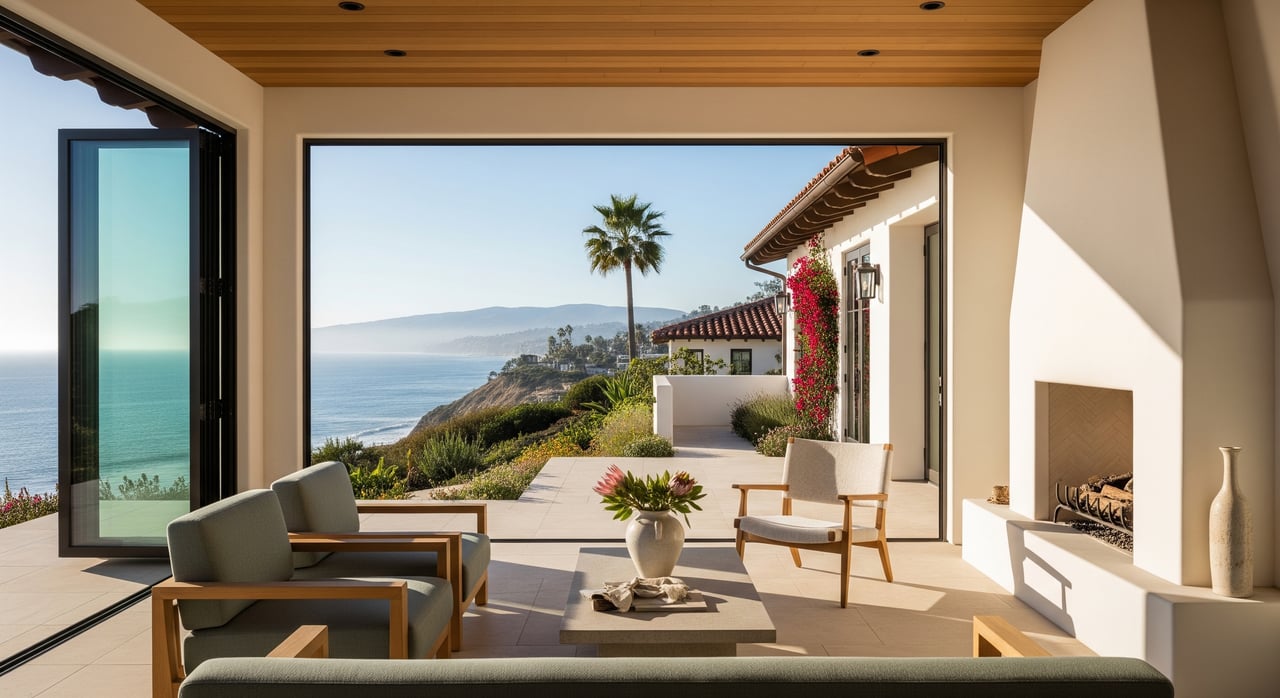
If you are looking at Dana Point as a long-term rental market, one thing matters right away: this is not a one-number city. A condo near Lantern Village, a larger home in Dana Hills, and a luxury lease in Niguel Shores can attract very different renters and very different monthly rents. When you understand Dana Point by neighborhood instead of citywide average alone, you can make smarter decisions about pricing, property type, and lease strategy. Let’s dive in.
Why Dana Point Works Differently
Dana Point is a small coastal city with 32,585 residents and 13,860 households, based on the July 2024 Census estimate and 2020-2024 ACS data. It is still majority owner-occupied at 62.4%, with a median household income of $141,520 and median gross rent of $3,106. Those numbers help set the baseline, but they do not tell the full rental story.
That is because Dana Point behaves more like a collection of micro-markets than one uniform rental market. Current rent trackers show a wide range, from a Census median gross rent of $3,106 to a Realtor.com citywide median rent of $5,500 in April 2026 and a Zillow average rent of $6,200 in May 2026. These figures are directionally useful, but they are not interchangeable because each source uses different methods.
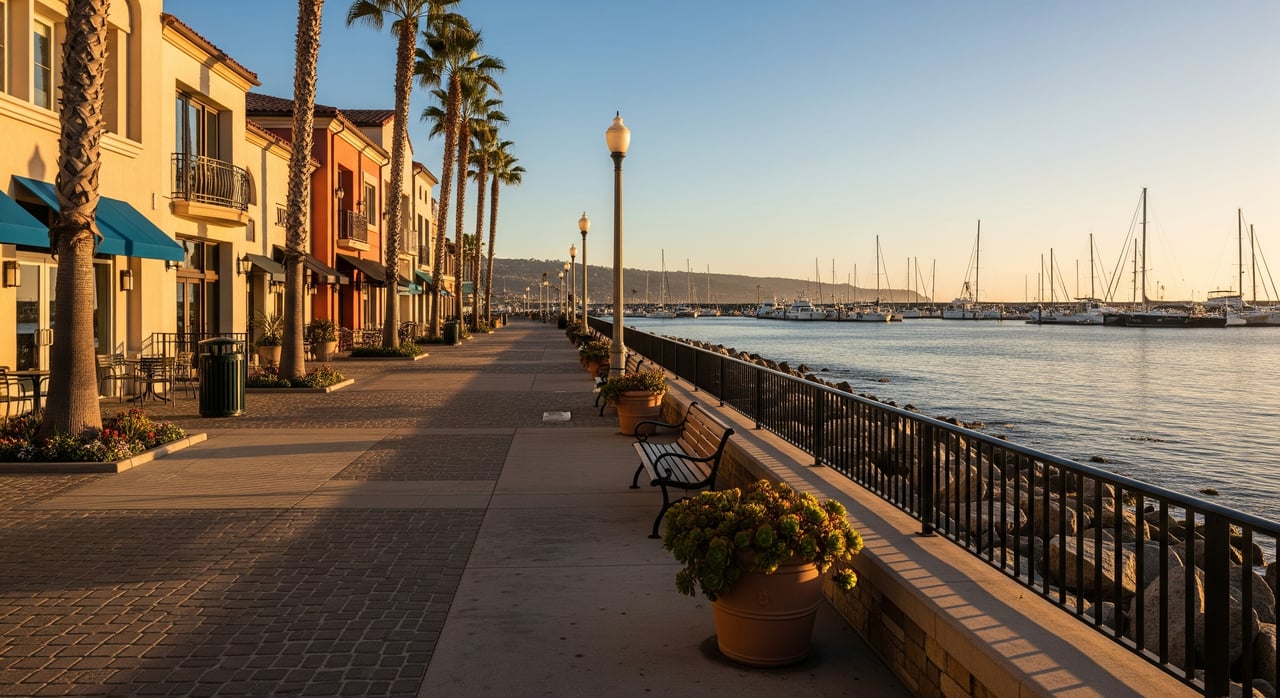
Dana Point’s setting also shapes demand in a way many inland markets do not. The city highlights seven miles of coastal bluffs and scenic rolling hills, while Dana Point Harbor has more than 2,500 boat slips. Add in a tourism-driven local economy and heavy visitor traffic around places like Doheny State Park, and you get a rental market where location and lifestyle can have an outsized impact on rent potential.
Long-Term Rental Demand Drivers
Before you compare neighborhoods, it helps to understand what tends to drive long-term rental demand here. In Dana Point, the biggest factors are usually micro-location, housing type, access, and how well the home matches the likely renter profile for that area.
The city’s age mix is broad, with 22.3% of residents age 65 and older and 16.5% under 18. That suggests demand can come from several household types, including downsizers, family households, and relocation renters. In practical terms, a smaller coastal condo and a larger detached home can both perform well, but they usually appeal to different renters and should not be priced or marketed the same way.
Property type matters too. City housing data and planning documents point to a mix of detached homes, condos or townhomes, and a smaller supply of multifamily or mixed-use units. Detached homes in more residential areas often fit longer-term household demand, while attached homes and mixed-use units may appeal more to smaller households or renters who want walkability and central access.
Lantern Village Rental Potential
Lantern Village stands out for renters who value character, access, and a more walkable coastal setting. The city describes it as Dana Point’s historic center, with the largest concentration of historic homes and easy access to Town Center by foot or bike. That combination gives the area a distinct identity that can support stable renter interest.
Current rent data shows a median around $4,722 per month on Realtor.com, with Redfin showing about $5,000. That places Lantern Village below some of Dana Point’s more luxury-driven pockets, but still firmly in premium coastal territory. For many owners, the appeal here is not maximum square footage but neighborhood feel and convenience.
From an investor or rental owner perspective, Lantern Village may fit best if you own a condo, townhome, or smaller detached home with strong location appeal. Likely long-term renters include local professionals, downsizers, and relocation households who want ocean-close living and easy access to shopping and dining. If your property has charm, views, parking, or updated interiors, those details can carry real weight here.
Capistrano Beach Rental Potential
Capistrano Beach offers a different long-term rental profile. City documents describe it as one of Dana Point’s oldest residential areas, with a mix of beachfront small-lot homes and bluff-top single-family patterns. That usually translates to stronger demand for homes that offer a little more breathing room while still keeping beach access close.
Current rental snapshots place median rents around $5,295 on Realtor.com and closer to $6,000 on Redfin. That suggests Capistrano Beach can command a meaningful premium, especially for well-positioned homes with space, parking, and outdoor areas. The exact rent ceiling will still depend heavily on home size, condition, and proximity advantages.
For long-term rentals, this neighborhood may appeal to households looking for beach-close living without being in the tightest harbor-adjacent pockets. Larger homes may align well with renters who plan to stay longer and want a more traditional residential layout. If you own a single-family home here, your leasing strategy may be less about broad mass appeal and more about matching the right household to the property.
Dana Hills Rental Potential
Dana Hills is one of the clearest examples of a residential long-term rental play in Dana Point. The city’s financial reporting identifies it as one of the city’s primarily residential areas. That makes it worth watching if your goal is to attract tenants who prioritize space and everyday livability.
Redfin shows a median rent of $6,500 in Dana Hills, with available listings skewing toward two- to four-bedroom homes. That points to a market where larger floor plans can support stronger pricing, particularly when a property offers practical features like parking, storage, and functional indoor-outdoor space. In a city with many lifestyle-driven rental pockets, Dana Hills can offer a more straightforward residential value proposition.
This area may be a strong fit for longer-term renters who need more interior space than a condo or harbor-area unit can offer. The likely renter profile includes households seeking a quieter residential setting rather than a tourism-adjacent location. For owners, that means the condition and usability of the home often matter just as much as the view or proximity story.
Monarch Beach And Luxury Enclaves
Monarch Beach, Niguel Shores, and similar luxury coastal enclaves operate on a different level. City materials describe Monarch Beach as a planned recreation-oriented resort and residential area with open space, commercial uses, residential uses, golf, and coastal recreation. That resort adjacency helps define the rental audience.
Current rent data shows a median around $5,500 in Monarch Beach, while Niguel Shores is shown at $10,000 per month. That is a major range, and it reinforces how much pricing can shift at the high end based on location, community, finishes, and the overall quality of the home. Luxury rental demand here is often narrower, but each lease can represent significant income potential.
These neighborhoods may appeal to affluent relocation households, executives, empty nesters, and renters seeking higher-end finishes and a coastal resort environment. For owners, presentation becomes especially important. A luxury property in this segment usually needs pricing, marketing, and lease positioning that reflect the exact submarket rather than broad city averages.
Harbor, Headlands, Town Center, And Doheny Village
These areas are central to Dana Point’s identity, but they do not all behave the same way as long-term rental markets. The Harbor is closely tied to tourism and visitor traffic, and Realtor.com showed a median rent of $6,200 there with only seven rentals in its April 2026 snapshot. That low count suggests a thin submarket where each listing can stand out, but comps may be limited.
Dana Point Headlands showed a median rent of $4,600 with 20 rentals. Town Center is being shaped by city planning into a pedestrian-friendly shopping, dining, and entertainment district, with unit-mix standards meant to support a diverse residential population. That planning direction suggests ongoing relevance for centrally located rental housing, especially for renters who value access over yard space.
Doheny Village is a little different. The city is intentionally preserving an eclectic mix of commercial, light industrial, and residential uses, including multifamily, mobile homes, and live-work formats. Realtor.com showed zero rentals in its April 2026 snapshot, which underscores how thin and transitional this submarket can be.
For rental owners, these central districts may work best when the property is easy to understand and easy to move into. Smaller households, professionals, and renters who want central access may be the best fit. In areas with limited inventory and varied property types, clear positioning can matter more than trying to chase a broad audience.
Why Citywide Averages Can Mislead You
One of the easiest mistakes in Dana Point is using a citywide rent figure to price every property. The neighborhood spread is simply too wide. Recent snapshots range from about $4,700 to $5,000 in Lantern Village, around $5,300 to $6,000 in Capistrano Beach, about $6,200 in the Harbor, about $6,500 in Dana Hills, and roughly $5,500 to $10,000 in Monarch Beach or Niguel Shores.
That spread tells you something important. Rent potential here is driven less by the Dana Point name alone and more by the exact combination of neighborhood, property type, condition, and access. A detached home in a residential area and a condo in a walkable district may both be strong rentals, but they should be benchmarked against very different comp sets.
Vacancy And Lease-Up Considerations
Vacancy patterns in Dana Point can also look different from inland cities. The state housing element noted an overall vacancy rate of 12.7% in 2020, which it described as typical of beach communities with seasonal homes. An older city housing element found a 7.0% rental vacancy rate versus a 2.0% ownership vacancy rate, excluding seasonal or recreational homes.
That does not automatically mean weak demand. Instead, it reflects the reality that some housing functions as second-home or occasional-use inventory. For long-term rental owners, the bigger takeaway is that lease-up strategy should be grounded in the exact submarket and property type rather than broad assumptions.
The city’s 2021-2029 Housing Element also points to future pressure in Town Center and Doheny Village, where new multifamily housing is expected. It notes that much of the rental stock in those areas is pre-1980 and that renter overpayment rates in the relevant tracts are 58% and 47%. That suggests a market where supply, turnover, and pricing pressure may continue to evolve.
How To Position A Dana Point Rental
If you own or are considering a rental in Dana Point, the safest approach is usually the clearest one. Match your pricing to the right neighborhood and property type, not a broad city average. A home in Dana Hills should not be positioned the same way as a Lantern Village condo or a Monarch Beach luxury lease.
It also helps to make the listing easy to understand from the start. Clear photos, accurate bedroom and bath counts, parking details, and a lease structure that fits the likely renter profile can all support a smoother lease-up. In a market with many micro-markets, clarity is part of the strategy.
Because city rules, HOA restrictions, and coastal zoning can change, it is wise to confirm current requirements before listing. That step matters in any market, but especially in a coastal city with a mix of residential, resort, and transitional districts. The goal is not just to lease the property, but to lease it with the right expectations and the right fit.
Dana Point offers real long-term rental opportunity, but the strongest results usually come from reading the neighborhood correctly. If you understand how walkability, space, luxury positioning, and central access change demand from one pocket to the next, you are much more likely to set realistic rent expectations and reduce avoidable vacancy.
If you want help evaluating a specific property, neighborhood, or lease strategy in Dana Point, connect with Michelle Bakkedahl for local guidance grounded in real neighborhood nuance.
FAQs
What makes Dana Point different for long-term rentals?
- Dana Point acts more like a set of neighborhood micro-markets than one uniform rental market, so rent potential depends heavily on location, property type, and renter profile.
Which Dana Point neighborhoods show strong long-term rental potential?
- Based on current rent snapshots and city planning context, Lantern Village, Capistrano Beach, Dana Hills, Monarch Beach, and some central districts like Town Center each show potential for different types of long-term renters.
Is Lantern Village a good area for a Dana Point rental property?
- Lantern Village may be appealing if your property offers walkability, character, and convenient access to Town Center, especially for renters who value location over maximum square footage.
Is Dana Hills better for larger long-term rentals in Dana Point?
- Dana Hills appears well suited to larger homes, with current listings skewing toward two- to four-bedroom properties and pricing that reflects demand for more residential space.
Why are Dana Point rent estimates so different across websites?
- Rent trackers use different methods and timeframes, so their figures are useful for direction but should not be treated as interchangeable when pricing a specific property.
How should you price a long-term rental in Dana Point?
- The most reliable approach is to price by submarket and property type, using neighborhood-specific comparisons instead of relying only on a citywide average.